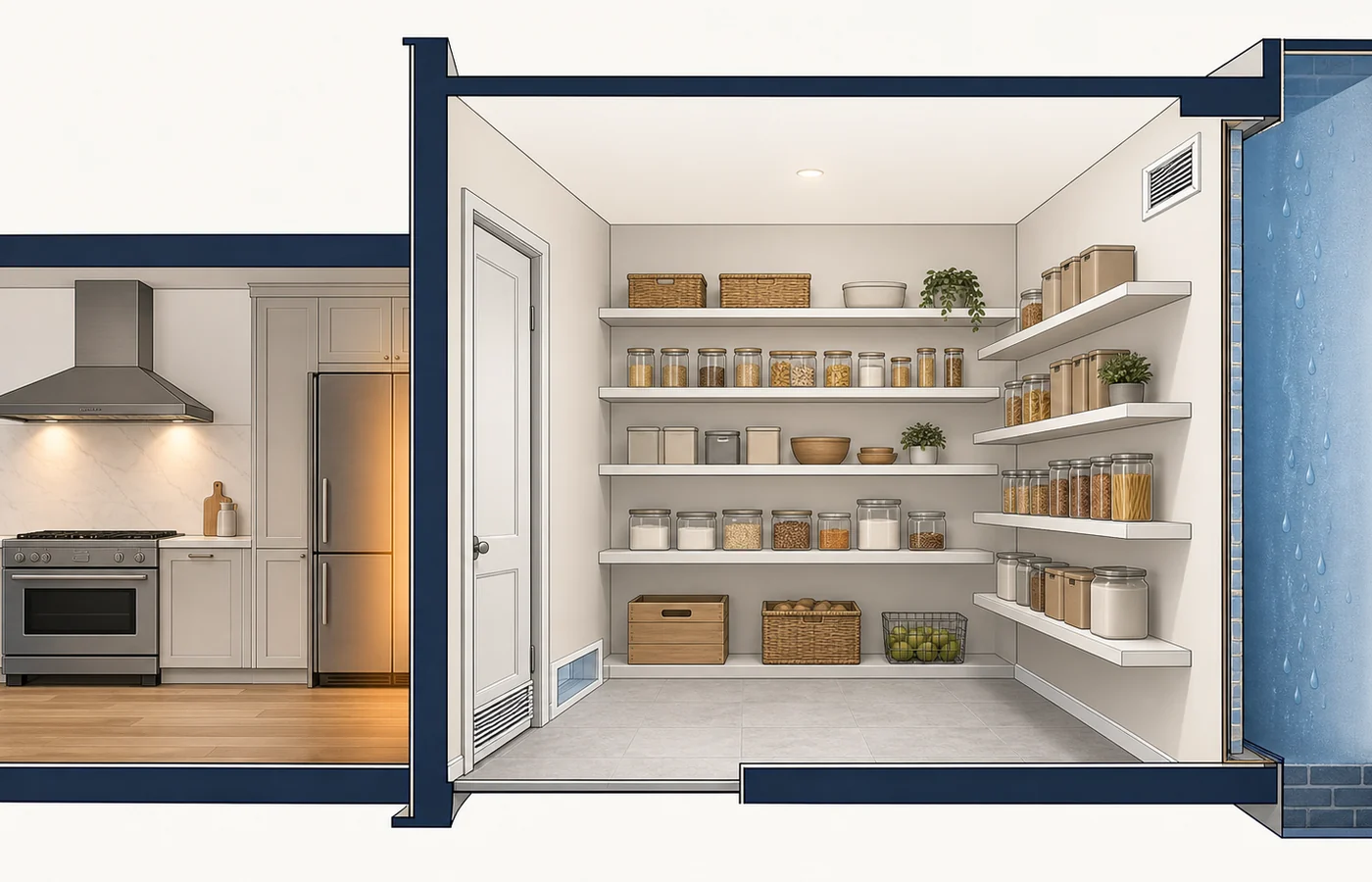
The Damp Dilemma: Conquering Moisture in Your Home
Ah, the joys of homeownership – the endless possibilities, the sense of pride, and the occasional battle against the elements. And when it comes to dealing with humidity, let me tell you, I’ve been there, done that, and worn the damp, musty t-shirt.
As the proud owner of a cozy abode in the heart of Aberdeen, UK, I’ve had my fair share of experiences navigating the tricky landscape of flooring options that can withstand the ever-changing moisture levels in our temperate climate. It’s a delicate dance, really – trying to strike the perfect balance between aesthetics, durability, and practicality. But fear not, my fellow homeowners, for I’m here to share my hard-won wisdom and help you make the best flooring choices for your humidity-prone spaces.
Assess the Moisture Levels in Your Home
Before we dive into the flooring options, let’s take a step back and assess the moisture situation in your home. After all, you can’t tackle a problem without understanding its true nature.
I remember when I first moved into my place, I was blissfully unaware of the humidity levels lurking within. It wasn’t until I started noticing the tell-tale signs – the musty odor, the condensation on the windows, and the occasional mold outbreak – that I realized I needed to take action.
To get a better understanding of the moisture levels in your home, I recommend investing in a reliable hygrometer. This handy little device will give you a precise reading of the relative humidity in each room, allowing you to identify the areas that need the most attention.
Once you have this data, you can start to develop a game plan for tackling the humidity head-on. Trust me, knowing the exact moisture levels will make all the difference when it comes to selecting the right flooring solution.
Flooring Options for Damp Environments
Alright, now that we’ve got the moisture situation sussed out, let’s dive into the nitty-gritty of flooring options. When it comes to combating humidity, not all floors are created equal. Here are some of the top contenders that I’ve come to rely on:
Tile Flooring
Ah, the classic tile – a true workhorse when it comes to dealing with damp environments. Tile’s inherent water-resistant properties make it an excellent choice for bathrooms, kitchens, and other high-moisture areas.
One of the key benefits of tile is its durability. These hardy little squares can withstand the ebb and flow of humidity without batting an eye. Plus, with the vast array of styles and designs available, you can easily find a tile that fits your aesthetic preferences.
But don’t just take my word for it. Let’s hear from Sarah, a local homeowner who swears by tile flooring:
“When we first moved into our house, the humidity was a real nightmare. We tried all sorts of solutions, but nothing seemed to work. That is, until we decided to replace the old, porous flooring with some high-quality tile. It’s been a game-changer! The tiles don’t absorb moisture, and they’re so easy to clean – no more mold or mildew issues. Plus, the modern design really elevated the look of our bathroom.”
So, if you’re looking for a flooring option that can stand up to the damp conditions in your home, tile might just be the way to go.
Luxury Vinyl Plank (LVP)
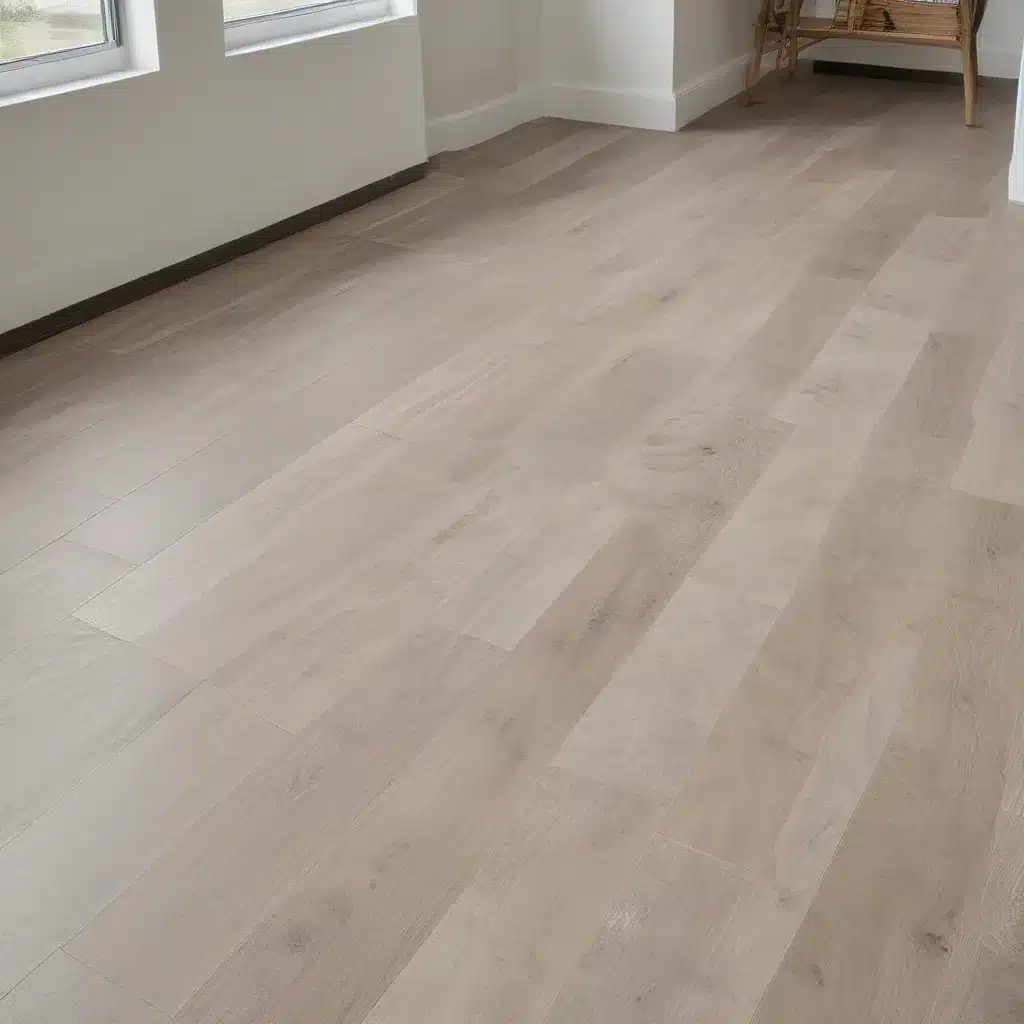
But what if you’re craving the warm, natural look of wood, but you’re concerned about the moisture factor? Enter luxury vinyl plank (LVP) flooring – the best of both worlds.
LVP is designed to mimic the appearance of hardwood or stone, but with a waterproof core that makes it a superior choice for areas prone to humidity. These planks are not only resistant to moisture, but they’re also incredibly durable and easy to maintain.
I can personally vouch for the transformative power of LVP. When I decided to renovate my kitchen, I was torn between the rustic charm of hardwood and the practicality of a waterproof solution. That’s when I discovered LVP, and let me tell you, it was a game-changer.
“The LVP flooring in my kitchen has been an absolute lifesaver,” I shared enthusiastically. “Not only does it look gorgeous, but it’s also held up incredibly well to the constant spills and splashes. I no longer have to worry about warping or staining, and the installation was a breeze. It’s the perfect balance of style and substance.”
So, if you’re after the aesthetic of wood with the durability to withstand humidity, LVP might just be the answer to your flooring woes.
Engineered Hardwood
Now, I know what you’re thinking – “But what about good old-fashioned hardwood?” And you’re not wrong, hardwood can be a stunning choice for your home. However, when it comes to dealing with humidity, you need to approach it with a bit more caution.
Traditional solid hardwood flooring can be a tricky proposition in damp environments. The wood can expand, contract, and even warp in response to fluctuating moisture levels, leading to unsightly and potentially dangerous issues.
But fear not, my fellow hardwood enthusiasts! There’s an alternative that can give you the best of both worlds – engineered hardwood.
Engineered hardwood combines a top layer of genuine hardwood with a core of plywood or other composite materials. This hybrid construction makes it far more resistant to the effects of humidity, while still maintaining the timeless beauty of natural wood.
“When we first moved into our home, we knew we wanted hardwood floors,” shared local resident, Emma. “But after doing some research, we quickly realized that traditional hardwood might not be the best choice for our moisture-prone basement. That’s when we discovered engineered hardwood, and it’s been a total game-changer. The floors look absolutely stunning, and they’ve held up amazingly well to the occasional flooding and humidity. It’s the perfect solution for our needs.”
So, if you’re determined to have the natural charm of hardwood in your humidity-prone spaces, engineered hardwood might just be the way to go.
Proper Installation and Maintenance: The Key to Longevity
Alright, so you’ve done your research, weighed the options, and settled on the perfect flooring solution for your damp environment. But the journey doesn’t end there, my friends. Proper installation and ongoing maintenance are crucial to ensuring the longevity of your new floors.
When it comes to installation, it’s always best to enlist the help of a professional. They’ll have the expertise to ensure that your floors are properly sealed, leveled, and secured – all essential factors for combating humidity. Trust me, it’s worth the investment to have the job done right the first time.
And once your shiny new floors are in place, the work isn’t over. Regular cleaning and maintenance are key to keeping them in tip-top shape. For tile and LVP, a simple mop and a mild cleaning solution should do the trick. But for engineered hardwood, you’ll need to be a bit more diligent, using specialized cleaners and avoiding excess water.
“Maintaining our engineered hardwood floors has been a bit of a learning curve,” admitted local homeowner, David. “But with the right cleaning products and techniques, it’s been a breeze. We make sure to wipe up any spills right away, and we do a deep clean every few months. It’s really paid off – our floors still look as good as the day they were installed.”
So, don’t forget – a little elbow grease and attention to detail can go a long way in preserving the beauty and integrity of your humidity-resistant flooring.
Embracing the Damp: A Celebration of Resilient Floors
As I reflect on my own journey with flooring in my humidity-prone home, I can’t help but feel a sense of pride and accomplishment. Sure, it hasn’t always been easy, but the process of finding the right solution has been a truly rewarding experience.
And let’s be honest, dealing with moisture in our homes is just part of the adventure of homeownership, isn’t it? It’s a constant dance, a never-ending battle against the elements. But with the right flooring choices and a little bit of know-how, we can conquer even the dampest of environments.
So, my fellow homeowners, embrace the challenge, explore your options, and find the flooring that will stand up to the humidity like a champ. Because when it comes to creating a comfortable, beautiful, and moisture-resistant home, the possibilities are endless.
And who knows, maybe your flooring journey will lead you to discover a whole new level of appreciation for the ebb and flow of the elements. After all, isn’t that what makes our homes truly unique and special?
So, let’s raise a glass (or a mop, if you will) to the resilient floors that will keep our homes dry, stylish, and ready to take on whatever Mother Nature throws our way. Cheers, my friends!