The Importance of Gas Safety: A Cautionary Tale
As a homeowner in Aberdeen, UK, I can’t stress enough the importance of gas safety. You see, just a few years ago, my neighbour’s house was the site of a horrific gas explosion. The entire street was evacuated, and it was absolute pandemonium. Thankfully, no one was injured, but the damage to the property was extensive.
What caused this incident, you ask? It turns out the gas appliance in my neighbour’s home had been malfunctioning for some time, but they had no idea. The slow gas leak had gone undetected, and when an innocent spark ignited the accumulated gas, boom. Needless to say, it was a wake-up call for the entire community.
That’s why I’m passionate about sharing my knowledge on this topic. I don’t want anyone else to endure the sheer terror and disruption my neighbours faced. In this article, I’ll walk you through the telltale signs of an unsafe gas appliance, as well as provide actionable steps you can take to ensure the safety of your home and loved ones.
Recognising the Danger Signs: A Keen Eye for Gas Appliance Safety
Now, I know what you’re thinking – “Gas appliances? That’s the sort of thing best left to the professionals, right?” Well, yes and no. While it’s always wise to have a qualified gas engineer perform regular maintenance and inspections, there are certain danger signs that any savvy homeowner can spot.
Let’s start with the basics. When was the last time you gave your gas appliances a thorough once-over? If you’re like most people, it’s probably been a while. But trust me, taking the time to inspect them on a regular basis could mean the difference between a cozy, worry-free home and a potential disaster.
The Visual Cues: Spotting Potential Issues
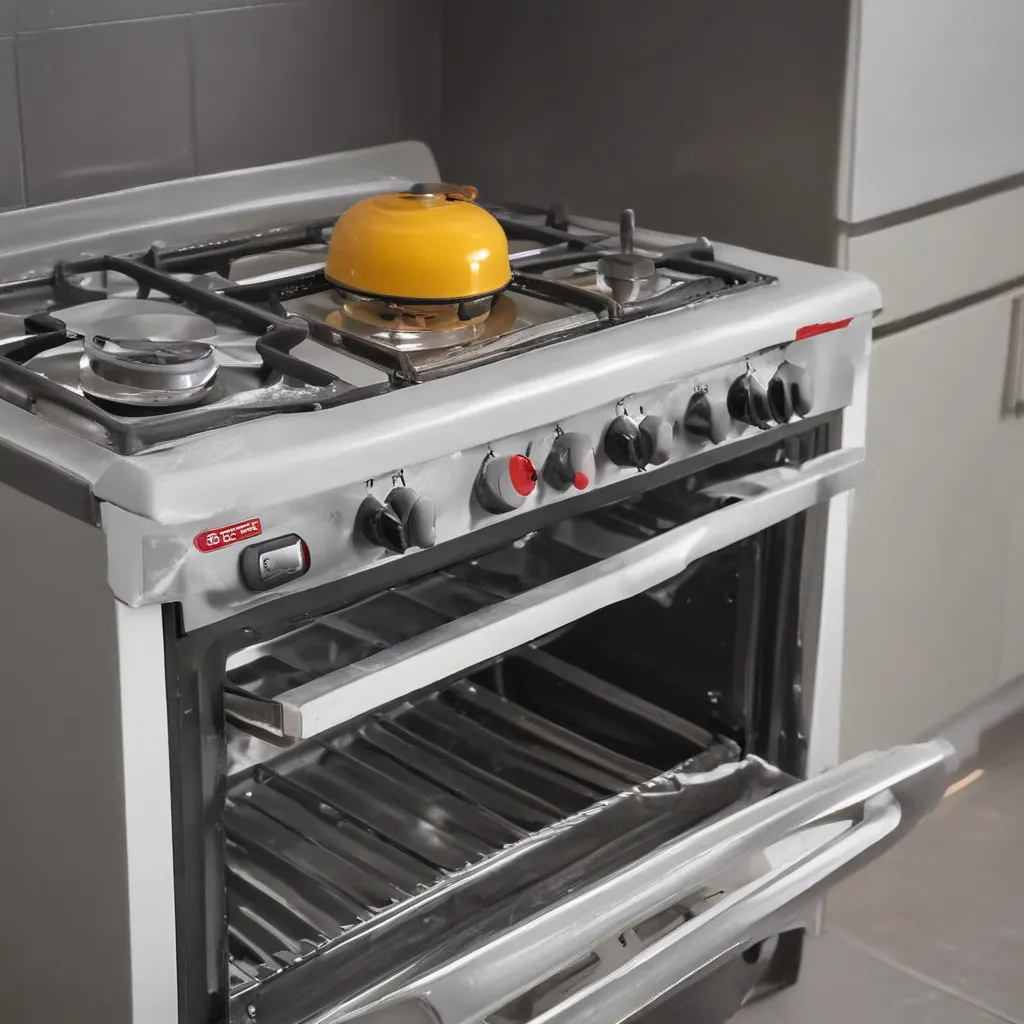
One of the easiest ways to identify an unsafe gas appliance is by paying attention to its physical appearance. Are there any signs of corrosion, rust, or damage on the casing or connections? Do the burners appear to be working properly, with a clear, blue flame? If you notice any discoloration, soot buildup, or a yellow, flickering flame, those could be indicators of a problem.
The Auditory Cues: Listening for Trouble
But it’s not just the visual cues you need to be aware of. Gas appliances can also give off auditory warning signs if something’s amiss. Do you hear any unusual hissing, whistling, or rumbling sounds coming from your appliance? That could be a sign of a gas leak or other malfunction.
The Olfactory Cues: Trusting Your Nose
And let’s not forget the power of our sense of smell. Gas appliances should have a clean, odourless burn. If you detect a strong, pungent smell – like rotten eggs or sulfur – that’s a clear indication that there’s a gas leak. Trust your nose on this one, because that smell is your body’s way of alerting you to a potentially dangerous situation.
Taking Action: Safeguarding Your Home and Family
Okay, so you’ve identified some potential issues with your gas appliances. Now what? Well, the first and most important step is to act quickly. Don’t wait, don’t hesitate – shut off the gas supply immediately and call in a qualified gas engineer.
The Importance of Regular Maintenance
But you know, preventative maintenance is key when it comes to gas safety. I make it a point to have my gas appliances serviced by a registered professional at least once a year. It’s a small investment that can pay dividends in the long run, as it helps ensure that everything is working as it should and minimizes the risk of unexpected malfunctions.
Choosing a Reputable Gas Engineer
Of course, not all gas engineers are created equal. When it comes to something as critical as gas safety, you want to make sure you’re working with a true pro. Look for someone who is registered with the Gas Safe Register – that’s the official body that oversees gas engineers in the UK. Ask for references, check their credentials, and don’t be afraid to shop around until you find someone you really trust.
The Importance of Carbon Monoxide Detectors
And while we’re on the topic of safety, can we talk about carbon monoxide detectors? These little devices are absolute lifesavers when it comes to gas appliances. Carbon monoxide is an odourless, colourless gas that can be deadly if it accumulates in your home. A working CO detector will alert you to any dangerous levels, giving you precious time to evacuate and call for help.
Wrapping Up: Prioritising Gas Safety in Your Home
So there you have it – a comprehensive guide to recognising and addressing unsafe gas appliances. Remember, gas safety isn’t something to be taken lightly. It’s a matter of protecting your home, your loved ones, and your community.
Now, I know what you might be thinking – “This all sounds like a lot of work!” And you’d be right. Maintaining gas safety does require some diligence and effort. But trust me, it’s a small price to pay for the peace of mind of knowing your home is a safe haven.
And who knows, you might even find a new appreciation for the inner workings of your gas appliances. I’ll never forget the day I discovered that my ancient boiler was actually a hidden work of engineering genius. Okay, maybe that’s a bit of a stretch, but the point is, learning about gas safety can be genuinely fascinating.
So, what are you waiting for? Take a closer look at your gas appliances, and don’t hesitate to call in the experts if you have any concerns. Your safety and the safety of your loved ones is worth it. And hey, if you need any recommendations for reputable gas engineers in the Aberdeen area, ABC Home is always happy to lend a hand. Just give us a call, and we’ll point you in the right direction.