Navigating the Murky Waters of Shower Installation Regulations
As the owner of a building and renovation company in Aberdeen, UK, I’ve seen it all when it comes to shower installations. From eager homeowners eager to DIY their dream shower to contractors who think they can skirt around the rules, the sheer number of potential pitfalls is enough to make your head spin. But fear not, my friends – I’m here to guide you through the treacherous landscape of shower installation legalities, so you can emerge victorious (and with a beautiful new shower to boot).
Let’s start with the basics – did you know that in the UK, any substantial plumbing work, including installing a new shower, generally requires prior approval from your local council? That’s right, the powers that be want to make sure your shower isn’t going to come crashing down and flood the entire neighborhood. And trust me, you do not want to be on the receiving end of a very angry visit from the building inspector.
Now, I can already hear some of you groaning – “But I’m just replacing an old shower, do I really need to go through all that red tape?” The answer, my friends, is a resounding yes. You see, even if you’re simply swapping out an old unit for a shiny new one, there are still a whole host of regulations and requirements you need to be aware of. From ensuring your new shower is properly ventilated to making sure the electrical wiring is up to code, the devil is most definitely in the details.
And let’s not forget about those pesky building regulations – did you know that in some cases, installing a new shower might actually require you to make changes to the rest of your bathroom as well? It’s true! Things like the size and placement of your shower enclosure, the type of flooring you use, and even the height of your sink can all be subject to strict guidelines. Failure to comply can result in hefty fines, not to mention the headache of having to redo all your hard work.
But hold on, it gets even more complicated. Depending on the type of shower you’re installing, you may also need to obtain specific permits or approvals. For example, if you’re planning on installing a power shower or a shower that requires significant plumbing modifications, you might need to get the green light from a certified electrician or a qualified plumber. And let’s not forget about those tricky building regulations I mentioned earlier – they can vary wildly from one local council to the next, so what’s acceptable in one area might be a big no-no in another.
And speaking of local councils, let’s talk about the importance of doing your research. Different areas have different requirements, and it’s crucial that you familiarize yourself with the specific rules and regulations in your neck of the woods. Trust me, the last thing you want is to pour your heart and soul (not to mention your hard-earned cash) into a shower installation, only to have it all come crashing down because you didn’t dot your i’s and cross your t’s.
Navigating the Shower Installation Bureaucracy
But fear not, my fellow shower enthusiasts, for I have a few tricks up my sleeve to help you navigate this seemingly endless maze of regulations and requirements. First and foremost, it’s always a good idea to reach out to your local council or building department and get the lowdown on what you’ll need to do to stay on the right side of the law. They’re the experts, after all, and they’ll be able to give you a clear and concise rundown of the steps you need to take.
And if you’re feeling a bit overwhelmed by all the paperwork and red tape, why not consider enlisting the help of a professional? Hiring a licensed plumber or electrician to handle the technical aspects of your shower installation can not only save you a whole lot of headaches, but it can also ensure that everything is done to the letter of the law.
Now, I know what you’re thinking – “But won’t that cost me an arm and a leg?” And you’re not wrong, my friends. Hiring a pro can be a bit of an investment, but trust me, it’s worth it in the long run. Not only will you have the peace of mind of knowing that your shower is installed correctly and up to code, but you’ll also avoid the stress and hassle of dealing with angry building inspectors or, even worse, costly fines and legal battles.
And speaking of costs, let’s talk about another important consideration – the financial implications of your shower installation. You see, even if you manage to navigate the regulatory minefield without a hitch, there’s always the risk of unexpected expenses popping up along the way. From unforeseen plumbing issues to the need for additional building permits, the costs can add up quickly.
But fear not, my friends, for I have a few tips to help you stay on budget. First and foremost, it’s always a good idea to get quotes from multiple contractors and compare their prices. And don’t be afraid to negotiate – after all, these guys are in the business of making money, and they’re often willing to work with you to find a fair and reasonable price.
Another handy tip is to set aside a healthy contingency fund for your shower installation project. Trust me, no matter how well you plan, there’s always the potential for curveballs to come your way. By having a little extra cushion in your budget, you can rest easy knowing that you’ll be able to handle any unexpected expenses without breaking the bank.
Avoiding Costly Shower Installation Mistakes
But let’s not forget the most important part of all – the actual installation of your new shower. You see, even if you’ve dotted all your i’s and crossed all your t’s when it comes to the legal and financial side of things, there’s still the risk of making some costly mistakes during the installation process.
One of the biggest pitfalls I’ve seen time and time again is the DIY enthusiast who thinks they can tackle the job themselves. Now, I know it can be tempting to try and save a few bucks by going the DIY route, but trust me, when it comes to something as complex as a shower installation, it’s just not worth the risk.
You see, there’s a whole host of specialized skills and techniques involved in properly installing a new shower, from ensuring the plumbing is properly routed and sealed to making sure the electrical wiring is up to code. And if you get even the slightest thing wrong, you could be looking at a whole host of problems down the road – from leaks and water damage to fire hazards and electrocution risks.
And let’s not forget about the potential for costly mistakes when it comes to the actual design and placement of your new shower. After all, the last thing you want is to end up with a shower that’s so cramped and claustrophobic that you can barely move around, or one that’s so poorly positioned that it becomes a constant source of frustration and annoyance.
But fear not, my friends, for I have a few tips to help you avoid these costly pitfalls. First and foremost, it’s always a good idea to consult with a professional designer or contractor who can help you map out the perfect layout for your new shower. They’ll be able to take into account factors like the size and shape of your bathroom, the placement of your plumbing and electrical systems, and even the personal preferences and needs of you and your family.
And when it comes to the actual installation process, it’s always a good idea to leave it to the pros. Hiring a licensed and experienced plumber or electrician to handle the technical aspects of your shower installation can not only ensure that everything is done correctly and up to code, but it can also save you a whole lot of headaches and hassle in the long run.
Embracing the Excitement of a New Shower
Now, I know what you’re thinking – “But won’t all of this red tape and bureaucracy take the fun out of my new shower installation?” And to that, I say, “Not a chance!” You see, with a little bit of preparation and a whole lot of excitement, you can turn the process of installing a new shower into a truly rewarding and fulfilling experience.
Imagine it – you’ve done your homework, dotted all your i’s and crossed all your t’s, and now you’re finally ready to take the plunge and bring your dream shower to life. The anticipation is palpable, the excitement almost tangible. And as the installation process unfolds, you can’t help but feel a sense of pride and accomplishment welling up inside you.
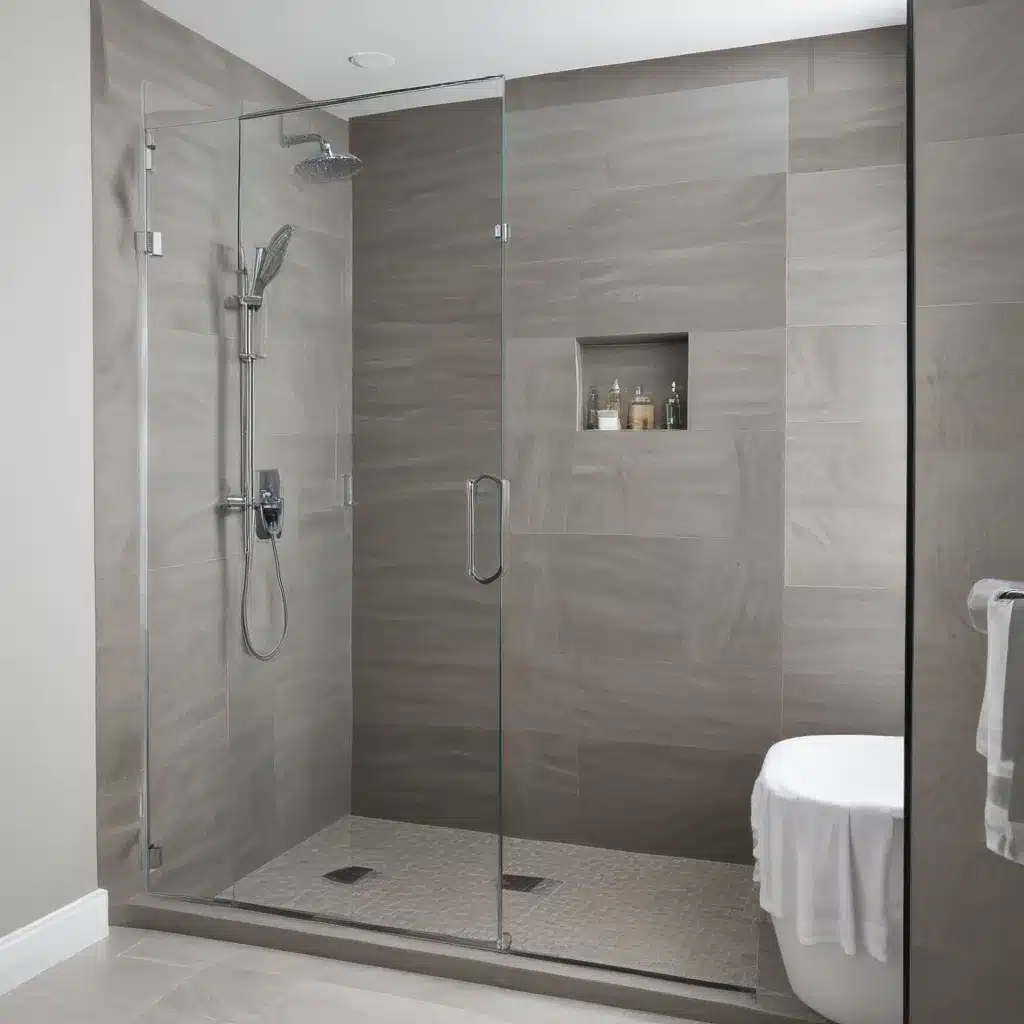
Because let’s face it, my friends, a new shower is so much more than just a functional upgrade to your home – it’s a symbol of your commitment to creating a space that’s not only beautiful, but also safe and functional. And when you finally step into that shiny new shower, feeling the warm water cascading over your skin, you’ll know that it was all worth it.
Of course, the journey to that glorious moment isn’t always a smooth one. There will be challenges, setbacks, and the occasional bout of frustration. But with a little bit of patience, a whole lot of perseverance, and a healthy dose of good humor, you can navigate even the most daunting regulatory hurdles and emerge victorious.
And let’s not forget about the sheer joy and satisfaction of seeing your vision come to life. Whether it’s the sleek, modern lines of a brand new power shower or the cozy, rustic charm of a vintage-inspired clawfoot tub, there’s nothing quite like the feeling of knowing that you’ve created a space that’s truly your own.
So, my fellow shower enthusiasts, embrace the excitement, roll up your sleeves, and get ready to dive headfirst into the world of shower installation legalities. With a little bit of planning, a lot of determination, and a healthy sense of adventure, you can turn the process of installing a new shower into a truly rewarding and fulfilling experience.
And who knows, maybe you’ll even find yourself becoming a bit of a shower installation expert along the way. After all, the more you learn about the ins and outs of this fascinating subject, the better equipped you’ll be to navigate the murky waters of shower installation regulations. So, what are you waiting for? Let’s get started!