The Importance of Proper Hose Care
Ah, the humble garden hose – that unsung hero of weekend chores and spontaneous car washes. But did you know that neglecting this simple tool could lead to a world of woe come winter? As the head honcho of ABC Home Renovations in Aberdeen, UK, I’ve seen my fair share of frozen, burst, and just plain sad-looking hoses over the years. And let me tell you, it’s not a pretty sight.
So, gather round, my friends, as I regale you with the tale of hose hibernation and how to ensure your trusty outdoor companion survives the chilly Scottish winters. Trust me, your future self will thank you for the preparation – and your wallet will too.
Draining the Hose: The Key to Longevity
Alright, let’s start with the basics: draining your hose before the temperature drops. This may seem like a no-brainer, but you’d be surprised how many folks skip this crucial step. Picture it: you’ve got your hose coiled neatly by the back door, ready for spring’s arrival. But then, wham! Jack Frost comes knocking, and suddenly, your once-supple hose is a frozen, cracked mess.
The reason? Water left inside the hose expands as it freezes, putting immense pressure on the delicate rubber or vinyl. And we all know what happens next – KABOOM! Your hose is toast, and you’re left scrambling to replace it before the next watering session.
But fear not, my DIY-inclined friends. Draining your hose is a breeze, and it’ll save you a world of heartache (and cash) in the long run. Here’s how you do it:
- Shut off the water supply: First thing’s first, turn off the water at the spigot or faucet. This ensures no more liquid can flow into the hose.
- Drain the hose: Next, detach the hose from the water source and let gravity do its thing. Uncoil the hose and allow any remaining water to flow out. You can even give it a few gentle shakes to help the process along.
- Check for kinks: As you’re draining, take a close look for any pesky kinks or bends in the hose. These can trap water and lead to freeze damage, so be sure to straighten them out.
- Blow it out: For good measure, grab a can of compressed air and give the hose a few good blasts. This helps ensure any last droplets are cleared out before storage.
By following these simple steps, you’ll be well on your way to hose hibernation success. Your future self (and your wallet) will thank you when springtime rolls around, and your trusty outdoor companion is ready for action.
Proper Hose Storage: Keeping Your Hose Happy and Healthy
Alright, so you’ve drained that bad boy – now what? Well, my friends, the next crucial step is proper hose storage. You wouldn’t just toss your favorite winter coat in a heap, would you? Nope, you’d carefully fold it and stash it away for safekeeping. The same goes for your beloved garden hose.
Here’s how to do it right:
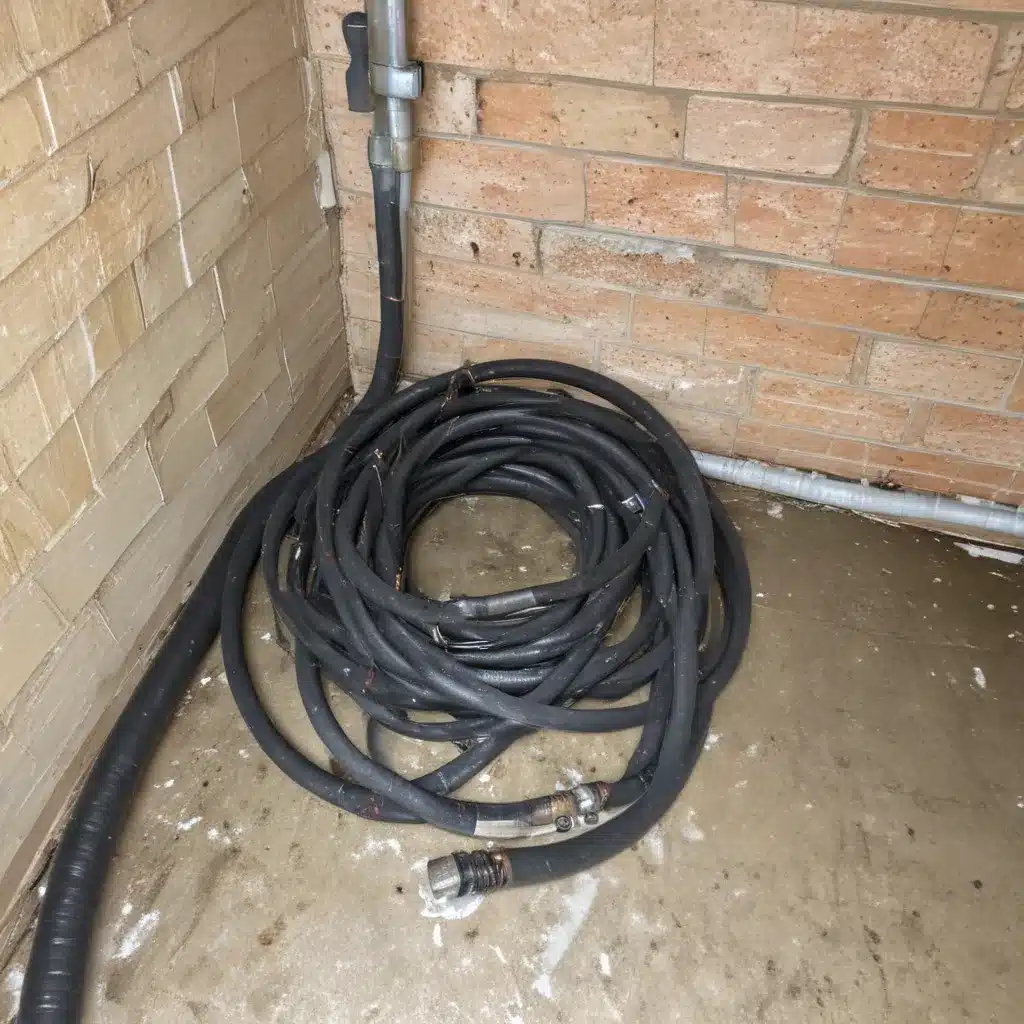
- Coil with care: Gently coil the hose, being mindful of any kinks or bends. Avoid tight, cramped coils, as this can stress the material and lead to cracks or splits down the line.
- Hang it up: Find a suitable spot to hang your hose, like a sturdy hook or hose reel. This keeps it off the ground and helps maintain its shape during storage.
- Cover it up: For an extra layer of protection, consider investing in a hose storage bag or cover. This shields your hose from the elements and prevents any accidental damage.
- Temperature, temperature, temperature: Finally, make sure you’re stashing your hose in a cool, dry place. Avoid areas with extreme heat or cold, as these can wreak havoc on the materials.
By following these simple storage tips, you’ll ensure your hose is in tip-top shape come springtime. Imagine the look on your neighbors’ faces when you’re the first one on the block to have a perfectly pristine hose, ready to tackle all your outdoor watering needs. Ah, the sweet taste of hose hibernation victory!
Troubleshooting Frozen Hoses: Thawing the Situation
But wait, what if you’ve already fallen victim to the dreaded frozen hose scenario? Fear not, my friends – all is not lost! With a little know-how and a bit of elbow grease, you can bring that icy outdoor companion back from the brink.
First things first, assess the damage. If the hose is just a little stiff and unyielding, you may be able to thaw it out without too much trouble. But if you spot any cracks, splits, or bulges, it’s likely time to cut your losses and invest in a new one.
Assuming you’ve got a salvageable situation on your hands, here’s how to proceed:
- Warm it up, but slowly: Resist the urge to just blast that sucker with a hair dryer or space heater. Sudden, intense heat can actually cause more damage to the frozen material. Instead, try wrapping the hose in a warm, damp towel and letting it thaw gradually.
- Get that water flowing: Once the hose has softened up a bit, it’s time to get the water moving again. Reconnect it to the spigot and turn on the tap – just be sure to start with a trickle, as a full blast of water could rupture the still-frozen sections.
- Massage the magic: As the water starts flowing, gently massage and manipulate the hose, working out any remaining icy patches. This helps the thawing process and ensures the hose regains its flexibility.
- Inspect and repair: Once fully thawed, give the hose a thorough once-over. If you spot any cracks or splits, you may need to patch them with a hose repair kit or consider replacing the hose entirely.
With a little patience and TLC, you can often revive a frozen hose and get it back into fighting shape. Just remember: an ounce of prevention is worth a pound of cure, so be sure to follow those draining and storage tips to avoid the dreaded frozen hose scenario in the first place.
Conclusion: Embrace the Hose Hibernation Hustle
Well, there you have it, folks – the secret to hose hibernation success. By properly draining, storing, and (if necessary) thawing your trusty outdoor companion, you can ensure it’s ready to tackle all your gardening, washing, and watering needs come springtime.
Sure, it may take a bit of extra effort, but trust me, it’s worth it. Imagine the smug satisfaction you’ll feel when your neighbors are scrambling to replace their burst, cracked hoses, while you calmly unravel yours and get to work. It’s a small victory, to be sure, but in the world of home maintenance, sometimes it’s the little things that count.
So, what are you waiting for? Get out there, drain those hoses, and give ’em the royal storage treatment. Your future self will thank you – and who knows, maybe you’ll even inspire your neighbors to step up their hose hibernation game. After all, there’s strength in numbers, my friends.
Happy hibernating!
And remember, if you ever need a hand with any home renovation projects, be sure to give the team at ABC Home Renovations a call. We’re proud to serve the good people of Aberdeen, UK, and we’re always here to lend a helping hand (or a hose) when you need it most.