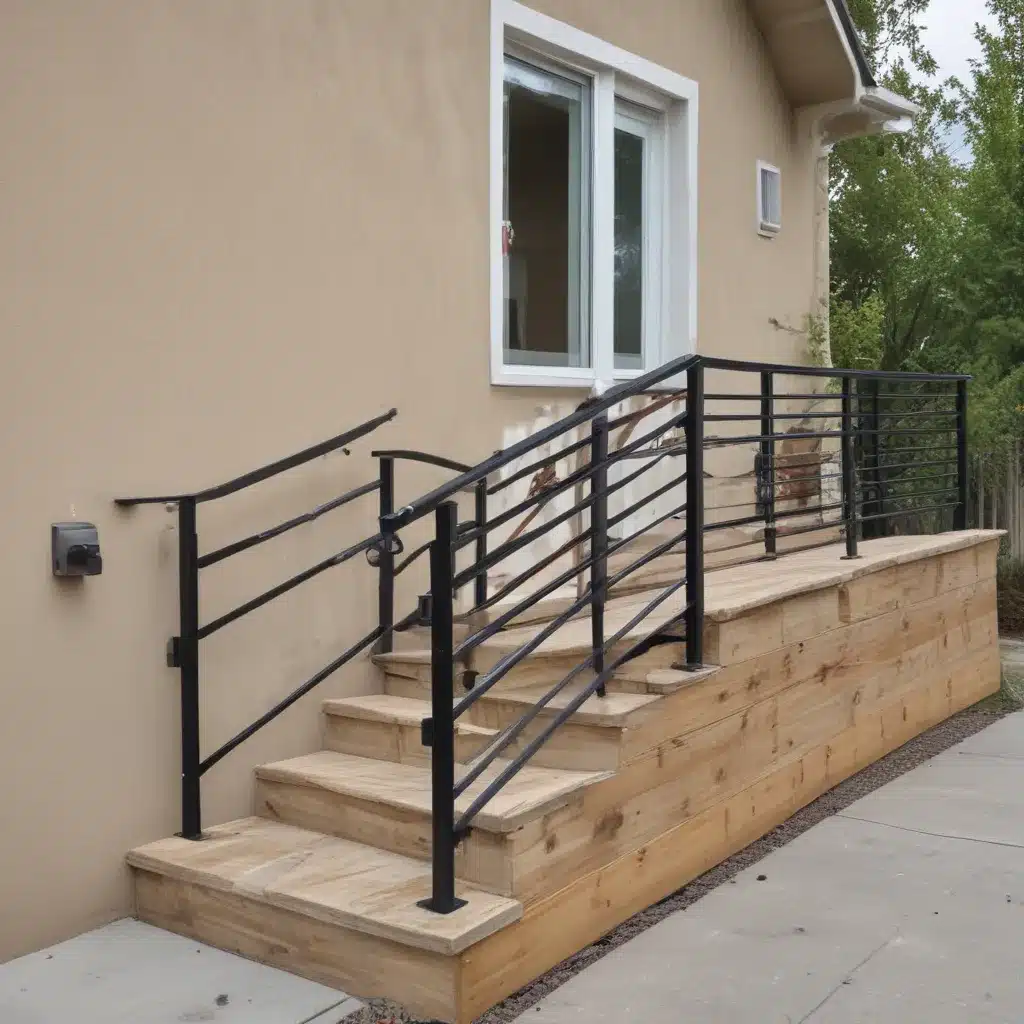
Introduction: The Importance of Handrails and Guardrails in Home Design
As someone who’s passionate about home design and renovation, I can’t stress enough the importance of incorporating proper handrails and guardrails into your home’s layout. These seemingly simple features play a crucial role in ensuring the safety and well-being of you and your loved ones.
You see, I learned this the hard way when my elderly grandmother took a nasty tumble down our rickety old staircase a few years back. It was a harrowing experience that left her with a broken hip and shook our family to the core. That’s when I realized that skimping on essential safety features like handrails and guardrails can have devastating consequences.
Since then, I’ve made it my mission to educate homeowners and renovators on the key points they need to know about these vital home components. From building code requirements to design considerations, I’m here to share my hard-earned expertise and ensure you don’t make the same mistakes I did. So, let’s dive in and explore the world of handrails and guardrails, shall we?
Understanding the Basics: Defining Handrails and Guardrails
Alright, let’s start with the basics. What exactly are handrails and guardrails, and how do they differ?
Well, a handrail is a sturdy, horizontal rail that’s designed to provide support and stability as people ascend or descend stairs, ramps, or other elevated surfaces. Its primary function is to offer a secure handhold, helping to prevent slips, trips, and falls.
On the other hand, a guardrail is a vertical barrier that’s installed along the open sides of stairs, balconies, decks, and other raised platforms. Its job is to create a physical barrier, protecting people from accidentally falling off the edge.
While both features serve essential safety purposes, they have distinct roles to play in your home’s design. Handrails help to guide and steady people as they move, while guardrails create a protective enclosure to keep them from harm’s way. Understanding this difference is crucial when it comes to determining the appropriate solution for your specific needs.
Navigating Building Code Requirements: Ensuring Compliance
Now, before you start planning your home renovation or new construction project, it’s crucial to familiarize yourself with the relevant building code requirements for handrails and guardrails. After all, these safety features aren’t just nice-to-haves – they’re legally mandated in most jurisdictions.
In the UK, the key regulations you’ll need to consider are outlined in Approved Document K of the Building Regulations. This comprehensive guide outlines the specific dimensions, height requirements, and other technical specifications that your handrails and guardrails must adhere to.
For example, did you know that handrails in the UK must be positioned between 900mm and 1,100mm above the surface of the stair treads or ramp? And that guardrails must be at least 1,100mm high to provide adequate protection? Failing to meet these standards could result in your project being flagged and potentially delayed or even rejected.
That’s why it’s crucial to thoroughly review the applicable building codes and regulations before you even start your renovation or construction process. Doing so will not only ensure your home is compliant but also help you avoid costly delays and potentially dangerous oversights. Trust me, it’s a small investment of time that can pay huge dividends in the long run.
Choosing the Right Materials: Balancing Aesthetics and Functionality
Alright, now that we’ve got the legal requirements out of the way, let’s talk about the fun part – choosing the right materials for your handrails and guardrails. After all, these features aren’t just about safety; they can also be a major design element that can make or break the overall aesthetic of your home.
When it comes to materials, you’ve got a wide range of options to choose from, each with its own unique benefits and drawbacks. For example, wooden handrails and guardrails offer a classic, timeless look that can complement a range of architectural styles. However, they may require more maintenance and can be susceptible to weathering over time.
On the other hand, metal options like stainless steel or powder-coated aluminum can provide a sleek, modern vibe while also being incredibly durable and low-maintenance. And if you’re looking for something a little more unique, you could even consider glass or cable railing systems, which can create a contemporary, minimalist aesthetic.
The key is to find a balance between functionality, safety, and style. After all, you want your handrails and guardrails to not only keep your family safe but also to enhance the overall look and feel of your home. It’s a delicate dance, but with the right guidance, you can absolutely pull it off.
Customizing for Your Needs: Addressing Unique Challenges
Now, let’s talk about how you can tailor your handrails and guardrails to address the unique challenges and requirements of your home. Because let’s face it – no two homes are exactly alike, and what works for your neighbor might not be the best solution for your space.
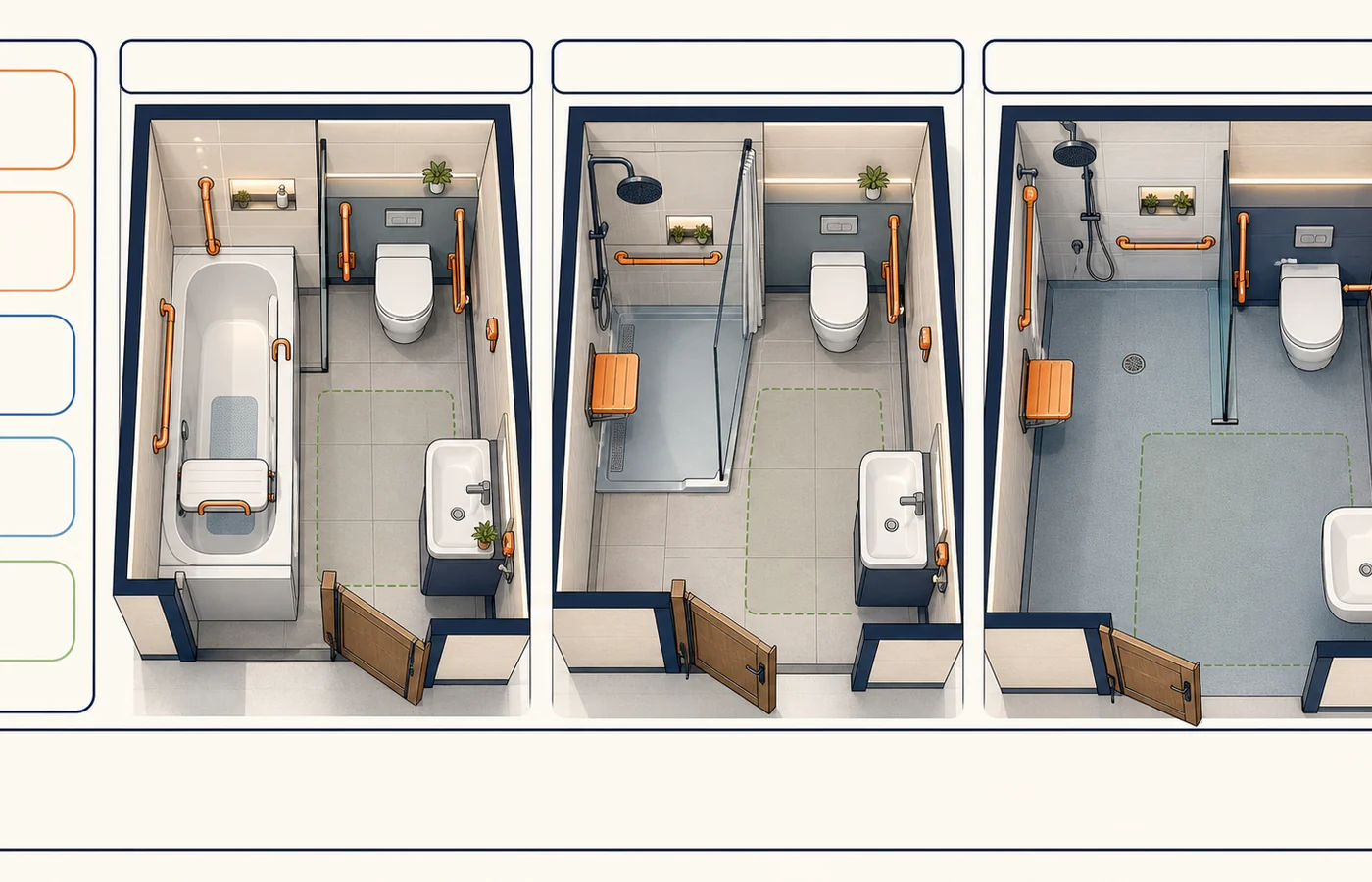
For example, if you have young children in your home, you might want to consider adding additional safety features, like closely-spaced balusters or even tempered glass panels, to prevent little fingers and toes from getting caught. Or, if you have a family member with mobility issues, you might need to install multiple handrails at different heights to accommodate their needs.
And let’s not forget about those tricky, irregular-shaped staircases or balconies that can really throw a wrench in your design plans. In these cases, you might need to explore custom-built solutions or work with a skilled fabricator to create a one-of-a-kind system that fits your space perfectly.
The moral of the story? Don’t be afraid to get creative and think outside the box when it comes to your handrails and guardrails. After all, your home is unique, and the safety solutions you choose should be just as distinctive. With a little bit of ingenuity and the right professional guidance, you can absolutely create a system that ticks all the boxes – functionality, safety, and style.
Maintenance and Upkeep: Ensuring Long-Lasting Performance
Alright, now that we’ve covered the design and installation aspects of handrails and guardrails, let’s talk about the often-overlooked (but equally important) topic of maintenance and upkeep.
You see, these safety features aren’t just a one-and-done kind of deal. They require regular attention and care to ensure they continue to perform their vital function for years to come. And trust me, you do not want to be the one responsible for a preventable accident because you neglected to properly maintain your handrails and guardrails.
So, what does proper maintenance look like, you ask? Well, it really depends on the materials you’ve chosen. Wooden handrails, for example, may need to be sanded and refinished every few years to protect them from weathering and wear. Metal systems, on the other hand, might just require a quick wipe-down with a damp cloth to keep them looking their best.
And let’s not forget about the importance of regular inspections. You should be taking the time to carefully examine your handrails and guardrails for any signs of damage, loose connections, or other issues that could compromise their structural integrity. Catching these problems early can mean the difference between a minor repair and a full-blown replacement down the line.
Trust me, I know it can be tempting to just set it and forget it when it comes to home maintenance. But when it comes to something as crucial as your family’s safety, it’s just not worth the risk. So, be proactive, stay vigilant, and keep those handrails and guardrails in tip-top shape – your loved ones will thank you for it.
Wrap-Up: Putting It All Together for a Safer, More Stylish Home
Well, there you have it, folks – my comprehensive guide to handrails and guardrails for home safety. From understanding the basics to navigating building codes, choosing the right materials, and maintaining their long-term performance, I’ve covered all the key points you need to know to ensure your home is as secure as it is stylish.
Remember, these essential safety features aren’t just legal requirements; they’re also an opportunity to elevate the overall design of your space. By thoughtfully integrating handrails and guardrails into your renovation or new construction plans, you can create a home that not only keeps your loved ones safe but also reflects your unique style and personality.
And let’s not forget the peace of mind that comes with knowing your home is equipped with these vital protective measures. After all, there’s nothing more valuable than the safety and well-being of your family. So, don’t skimp on these crucial details – invest in quality handrails and guardrails, and rest easy knowing your loved ones are secure.
Of course, if you’re embarking on a home renovation or building project and need some guidance on incorporating these safety features, I’d be more than happy to lend a hand. Feel free to check out our services – we’re experts in creating beautiful, functional spaces that prioritize safety and style. I look forward to hearing from you and helping you bring your dream home to life!