The Importance of Proper Caulking
Ah, the joys of home ownership – where every drip, crack, and crevice becomes a potential money pit just waiting to spring a leak. As the proud owner of a quaint little fixer-upper in the heart of Aberdeen, I’ve learned this lesson the hard way. Just when I thought I had this whole “adulting” thing under control, Mother Nature had other plans…
You see, it all started a few months ago when I noticed a mysterious puddle forming on my bathroom floor. At first, I thought maybe the kids had been a bit too enthusiastic during their nightly bubble baths. But as the damp spot continued to grow, I knew I had a serious problem on my hands. Cue the frantic online searches, rapidly dwindling savings account, and a deep dive into the world of caulk and sealants.
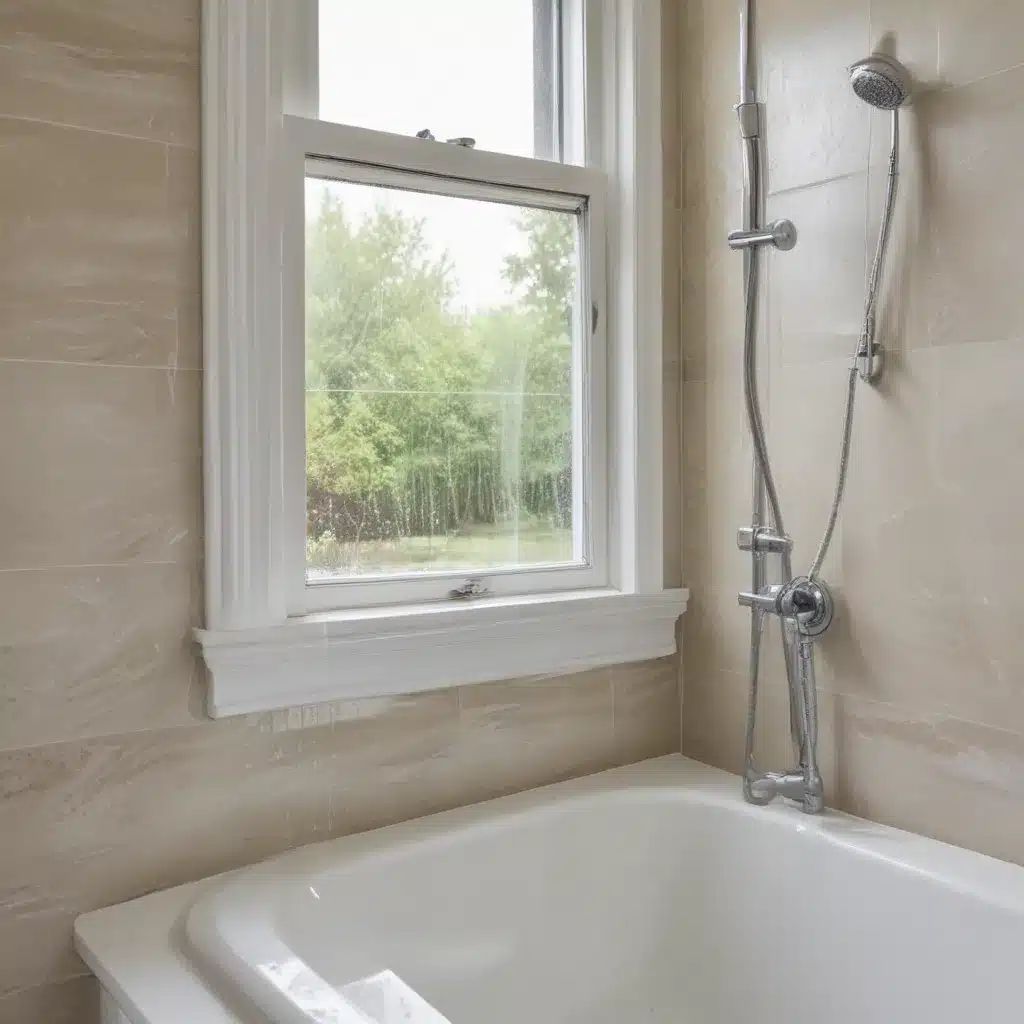
Through my research, I quickly learned that proper caulking and sealing is the key to preventing those pesky leaks that can wreak havoc on your home. Whether it’s around windows, tubs, showers, or any other crack or crevice, failing to maintain a good seal can lead to water damage, mold, and a whole host of other costly headaches.
So, if you’re a fellow homeowner in the Aberdeen area who’s battling a losing war against the elements, fear not! In this comprehensive guide, I’ll share my hard-won wisdom and explain everything you need to know about recaulking your windows, tubs, and showers to keep your castle (and your wallet) protected.
Understanding the Basics of Caulking
Before we dive into the nitty-gritty of recaulking, let’s first cover the fundamentals. What exactly is caulk, and why is it so important for maintaining the structural integrity of your home?
Caulk is a soft, pliable sealant that’s used to fill and seal gaps, cracks, and joints in various building materials. It’s typically made from a variety of materials, including silicone, acrylic, latex, and polyurethane, each with its own unique properties and applications.
The primary purpose of caulk is to create a water-tight barrier that prevents moisture, air, and even pests from seeping into your home. When applied correctly, it can help insulate your windows and doors, reduce energy costs, and protect against the elements. It’s the unsung hero of the home improvement world – the quiet, unassuming sidekick that keeps your house standing strong against the ravages of time and weather.
But caulk isn’t just for functional purposes – it can also play a crucial role in the aesthetic appeal of your home. By seamlessly filling in gaps and creating a smooth, uniform surface, a well-executed caulking job can enhance the overall look and finish of your windows, tubs, showers, and other features.
So, whether you’re dealing with a leaky tub, drafty windows, or just want to give your bathroom a fresh, polished look, investing the time and effort into proper caulking is an absolute must. Trust me, your wallet (and your sanity) will thank you in the long run.
Identifying the Signs of Caulk Failure
Now that we’ve covered the basics, let’s talk about the telltale signs that it’s time to recaulk. After all, the key to preventing major leaks and water damage is to catch the problem early before it spirals out of control.
One of the most obvious indicators that your caulk is failing is the presence of cracks, gaps, or separation between the caulked surfaces. Over time, caulk can become brittle, shrink, or pull away from the surrounding materials due to a variety of factors, such as temperature changes, UV exposure, and general wear and tear.
Another red flag to watch out for is the dreaded mold and mildew. If you start to notice discoloration or growth around your caulked areas, it’s a clear sign that moisture is finding its way in and creating the perfect breeding ground for these pesky fungi.
And of course, the telltale sign of all signs – standing water or visible leaks. Whether it’s a puddle on the bathroom floor or a steady drip from your kitchen sink, any sign of water where it shouldn’t be is a surefire indication that your caulk has given up the ghost.
It’s important to address these issues as soon as possible, as even small cracks or leaks can quickly escalate into much larger and more costly problems. A little preventative maintenance can go a long way in protecting the structural integrity of your home and saving you a ton of headaches down the road.
Preparing for the Recaulking Process
Alright, now that we’ve identified the signs of caulk failure, it’s time to get down to the nitty-gritty of the recaulking process. But before you can start slathering on the new sealant, there are a few important preparatory steps you’ll need to take.
First and foremost, you’ll need to thoroughly clean the area that needs to be recaulked. This means removing any existing caulk, dirt, or debris that could interfere with the adhesion of the new sealant. Depending on the material, you may be able to use a utility knife or caulk removal tool to scrape away the old caulk, or you might need to resort to more heavy-duty methods like solvents or power tools.
Once the surface is clean and dry, it’s time to apply a primer, if necessary. Many caulks and sealants require a compatible primer to help the new material adhere properly, especially on non-porous surfaces like metal or glass. Be sure to follow the manufacturer’s instructions carefully and allow the primer to fully dry before moving on to the next step.
Another important consideration is the type of caulk or sealant you’ll be using. Different materials are better suited for certain applications, so it’s crucial to choose a product that’s specifically designed for the job at hand. For example, silicone caulk is a great choice for bathrooms and showers due to its water-resistant properties, while latex or acrylic caulk might be better suited for sealing windows or gaps in drywall.
And let’s not forget about the all-important color match. Whether you’re working on windows, tubs, or showers, you’ll want to select a caulk that blends seamlessly with the surrounding surfaces. The last thing you want is for your fresh new caulk to stand out like a sore thumb, ruining the overall aesthetic of your space.
By taking the time to properly prepare the area and choose the right caulking materials, you’ll set yourself up for a smooth, successful recaulking project that will keep your home dry, cozy, and looking its best for years to come.
The Step-by-Step Recaulking Process
Alright, now that we’ve covered all the preparatory work, it’s time to dive into the recaulking process itself. Get ready to channel your inner handyman (or handywoman) – this is where the fun really begins!
First and foremost, be sure to gather all the necessary tools and materials. In addition to the caulk or sealant of your choice, you’ll need things like a caulking gun, painter’s tape, a utility knife, and maybe even a damp cloth or paper towels for cleaning up any messes.
Once you’ve got your supplies at the ready, it’s time to start the actual application. Gently insert the caulk cartridge into the gun, cut the tip to the desired opening size, and begin slowly and steadily applying the sealant into the crack or crevice that needs to be filled. Be sure to keep a consistent, even bead of caulk and avoid any gaps or air bubbles.
Now comes the tricky part – smoothing and finishing the caulk. Using a damp finger or a specialized caulk-finishing tool, gently run along the bead to create a smooth, seamless finish. This will not only make the caulk look more professional, but it will also help ensure a proper seal.
If you’re working on a particularly long stretch, you may need to apply the caulk in sections and then smooth it out as you go. And don’t forget to use painter’s tape to create clean, crisp edges if you’re working around delicate surfaces or intricate designs.
Once the caulk has fully dried and cured (usually 24-48 hours, depending on the product), you can go ahead and remove any painter’s tape or residual caulk. And voila – you’re done! Step back and admire your handiwork, secure in the knowledge that you’ve just taken a giant leap towards keeping your home safe, dry, and leak-free.
Maintaining Your Caulk Over Time
Okay, so you’ve successfully recaulked your windows, tubs, and showers. Congratulations, you’re officially a caulking champion! But the work doesn’t stop there. In order to keep your home protected, you’ll need to stay vigilant and maintain those caulked areas over time.
You see, caulk is not a one-and-done solution. Over time, it can become worn, cracked, or simply outlive its usefulness. That’s why it’s important to periodically inspect your caulked areas and address any issues before they turn into bigger problems.
I recommend doing a full walkthrough of your home at least once a year, paying close attention to any areas that are prone to moisture or temperature fluctuations. Look for cracks, gaps, or signs of deterioration, and be sure to re-caulk as needed.
And don’t forget to keep an eye on your caulk during routine cleaning and maintenance. Gentle scrubbing and wiping around the edges can help extend the lifespan of your sealant, but be careful not to be too aggressive, as this can cause more damage than good.
If you do notice that your caulk is starting to fail, don’t hesitate to take action. The sooner you can address the issue, the better. Ignoring a small crack or gap can lead to bigger problems down the line, like water damage, mold, or even structural issues.
Remember, a little bit of preventative maintenance can go a long way in protecting your home and your wallet. So, stay vigilant, keep those caulk guns at the ready, and rest easy knowing that your castle is secure from the elements.
Real-Life Caulk Saving the Day
Now, I know what you might be thinking – “This all sounds great in theory, but does caulk really make that much of a difference in the real world?” Well, let me tell you, I’ve seen firsthand just how powerful a little bit of properly applied sealant can be.
Take the case of my neighbor, Ethel. Poor Ethel had been battling a persistent leak in her bathroom for months, and no matter what she tried, the problem just wouldn’t go away. Plumbers, contractors, even the local handyman – you name it, she had called them all. But alas, the stubborn drip persisted.
That is, until Ethel decided to take matters into her own hands and re-caulk the entire bathroom. Armed with a trusty caulk gun and a determination to finally put an end to her watery woes, she set to work meticulously sealing every crack and crevice.
And you know what? It worked! Practically overnight, the leak disappeared, and Ethel’s bathroom was as dry as a bone. No more soggy floors, no more wasted money on endless repairs. Just a crisp, clean, and completely leak-free oasis.
But Ethel’s story isn’t the only one. I’ve seen it time and time again – a simple caulking job can make all the difference in the world. Whether it’s preventing drafts, stopping mold growth, or just giving a tired-looking space a fresh, polished appearance, caulk is the unsung hero that can truly transform a home.
So, if you’re feeling discouraged by the constant battle against leaks and water damage, take a page out of Ethel’s book and give recaulking a try. You just might be surprised by how much of a difference it can make.
Conclusion: Caulk – The Unsung Hero of Home Maintenance
Well, there you have it, folks – the ultimate guide to recaulking your windows, tubs, and showers to prevent those pesky leaks. From understanding the basics of caulk to mastering the art of the application, we’ve covered it all.
But you know, as I reflect on my own caulking journey, I can’t help but feel a deep appreciation for this unsung hero of the home improvement world. Caulk may not be the sexiest or most glamorous tool in the toolbox, but it’s the quiet, steadfast protector that keeps our homes safe, dry, and looking their absolute best.
So, the next time you notice a crack, gap, or drip, don’t panic – reach for that trusty caulk gun and get to work. Trust me, your wallet (and your sanity) will thank you in the long run.
And if you’re ever in the Aberdeen area and need a little help with your home renovation or maintenance projects, be sure to check out ABC Home. These guys are the real deal when it comes to all things caulk and sealant – they’ve got the skills, the tools, and the expertise to keep your home in tip-top shape. Just don’t be surprised if they try to convince you to join their caulk-enthusiast club. Apparently, it’s a thing.
Alright, time for me to get back to my own caulking adventures. Happy sealing, my friends!