The Shocking Truth About Home Safety (And How to Avoid a Jolly Good Zapping)
As the owner of ABC Home, a trusted building and renovation company in Aberdeen, UK, I’ve seen my fair share of electrical and gas mishaps. From sparking sockets to leaky pipes, these issues can not only be a major inconvenience but also a serious safety hazard. That’s why I’m here today to walk you through the latest safety standards and regulations that every homeowner needs to know.
Now, I know what you’re thinking – “Safety standards? Yawn.” But trust me, this is important stuff. Imagine coming home to find your beloved Mr. Fluffles the cat has chewed through a live wire. Or waking up in the middle of the night to the smell of a gas leak. Not a pretty picture, is it? That’s why it’s crucial to stay on top of these regulations and make sure your home is up to snuff.
So, let’s dive in, shall we? First up, we’ve got the nitty-gritty on electrical safety. The UK has recently introduced some new rules and regulations that all homeowners need to be aware of. For starters, did you know that every new electrical installation or major renovation in your home now requires a safety inspection and certificate? That’s right, gone are the days of haphazardly wiring up your own DIY projects.
Electrical Safety Standards: Shocking Revelations
The latest electrical safety standards are designed to ensure that your home is not only functional but also safe. These standards cover everything from the quality of your wiring to the proper installation of outlets and switches. And let me tell you, if your home doesn’t meet these standards, you could be facing some hefty fines or even a shutdown until the issues are resolved.
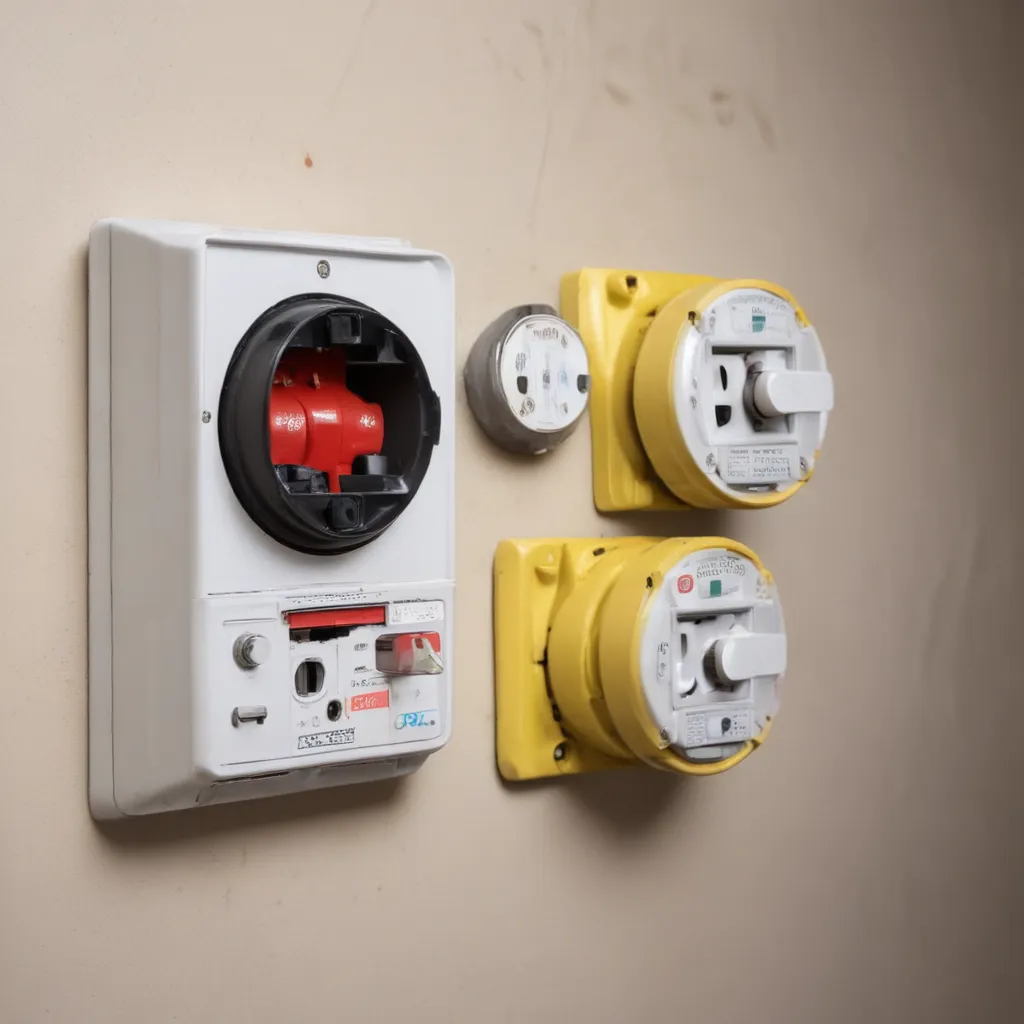
One of the key requirements is the installation of residual current devices (RCDs) in all new electrical circuits. These nifty little devices are essentially the bouncers of the electrical world – they’re designed to quickly cut off the power if they detect any dangerous irregularities, like a short circuit or an earth fault. It’s like having a personal bodyguard for your electrical system.
Another important aspect is the mandatory testing and certification of all electrical work. Gone are the days of the “good enough” DIY approach. Now, every new installation or major renovation must be inspected and certified by a qualified electrician. And let me tell you, these guys are not messing around. They’ll be checking every last wire and switch to ensure your home is up to snuff.
But it’s not just the new stuff that needs attention. Even if you’ve got an older home, you’ll need to make sure your existing electrical system is up to par. That means regular inspections and maintenance to identify any potential issues before they turn into a full-blown crisis. Trust me, you don’t want to be the one trying to explain to the fire department why your house is now a charred mess.
Gas Safety: Avoiding the Explosive Situation
Now, let’s talk about something even more important – gas safety. This is no laughing matter, folks. We’re talking about highly combustible materials that, if not properly handled, can lead to some seriously dangerous situations. Think of it like having a bunch of angry, explosive fairies living in your walls.
The latest gas safety regulations are all about keeping those fairies in check. For starters, all gas appliances in your home must be installed and maintained by a qualified Gas Safe registered engineer. No more “oh, I’m sure I can handle this myself” moments. These guys are the experts, and they know what they’re doing.
But it’s not just the installation that’s important. Homeowners also need to be vigilant about regular servicing and maintenance of their gas appliances. That means annual check-ups to ensure everything is in tip-top shape and no sneaky gas leaks are lurking about. And let me tell you, those leaks can be a real nightmare. One minute you’re sipping your morning tea, the next you’re waking up in a hospital bed wondering how you got there.
To make matters even more complicated, the UK has recently introduced some new rules around the installation of carbon monoxide detectors. These little devices are like the canaries in the coal mine of the gas world, alerting you to any dangerous levels of the invisible, odourless killer. And trust me, you want these babies installed and working properly.
Navigating the Maze of Regulations
I know, I know – all of this sounds like a lot to keep track of. But fear not, my friends, for I’m here to guide you through the maze of electrical and gas safety regulations. As the owner of ABC Home, I’ve made it my mission to stay up-to-date on the latest standards and requirements, and I’m more than happy to share my knowledge with you.
One of the first things I recommend is getting a professional inspection of your home’s electrical and gas systems. This will not only give you a clear picture of where you stand, but it will also help you identify any areas that need attention. And trust me, it’s better to address these issues proactively than to wait for a disaster to strike.
But it’s not just about the physical aspects of your home. You also need to make sure you’re keeping up with the paperwork. That means keeping all your certificates and documentation in order, and being prepared to present them to the authorities if needed. Because let me tell you, those inspectors can be a crafty bunch, and they’ll be sure to ask for proof that you’re playing by the rules.
And speaking of the authorities, it’s important to stay informed about any changes or updates to the regulations. As I mentioned, the UK has been pretty busy in this department, so it’s crucial to stay on top of things. That’s why I recommend subscribing to industry newsletters, following regulatory bodies on social media, and maybe even attending the occasional seminar or webinar. Trust me, it’s a lot less painful than getting slapped with a hefty fine.
Putting It All Together: A Real-Life Example
Now, I know all of this can be a lot to take in, so let me share a real-life example to help put it all into perspective. Just the other day, one of our clients, let’s call her Sarah, reached out to us with a bit of a predicament.
Sarah had recently decided to renovate her kitchen, and in the process, she discovered that her home’s electrical system was, well, a bit of a mess. Wires were hanging loose, outlets were sparking, and she was pretty sure she had seen a few fairies lurking about (okay, maybe not the fairies, but you get the idea).
Understandably, Sarah was a bit panicked. She knew she needed to get this sorted out, but she wasn’t sure where to start. That’s where ABC Home came in. We sent one of our trusted electricians to take a look, and let me tell you, the situation was not pretty.
It turns out that Sarah’s home had some serious electrical issues that needed to be addressed, including outdated wiring, faulty outlets, and a complete lack of RCDs. Our electrician got to work, carefully inspecting every nook and cranny and making the necessary repairs and upgrades to bring the system up to the latest safety standards.
But it didn’t stop there. Sarah also had a gas stove that was due for its annual servicing, and she wasn’t sure if she had a working carbon monoxide detector. So, we brought in one of our Gas Safe registered engineers to take a look and give the all-clear.
In the end, Sarah’s home was a bit of a renovation project, but thanks to our expertise and attention to safety, she can now rest easy knowing that her home is a safe and secure haven for her and her family. And let me tell you, the look of relief on her face was worth a million bucks.
Putting Your Safety First
At the end of the day, that’s what it’s all about – keeping you and your loved ones safe. Sure, navigating the maze of electrical and gas safety regulations can be a bit of a headache, but it’s a small price to pay for peace of mind.
As the owner of ABC Home, I can’t stress enough the importance of staying on top of these standards. It’s not just about avoiding fines or legal hassles; it’s about protecting the people and the things you hold dear. And trust me, there’s nothing more heartbreaking than having to tell a client that their home is unsafe, or that a tragedy could have been prevented if only they had followed the rules.
So, if you’re a homeowner in Aberdeen or the surrounding area, I urge you to take a good, hard look at your home’s electrical and gas systems. Get a professional inspection, stay up-to-date on the latest regulations, and don’t be afraid to call in the experts when you need them. Because when it comes to safety, there’s no room for cutting corners or taking chances.
And who knows, you might even have a bit of fun in the process. After all, what could be more thrilling than outsmarting a bunch of mischievous, explosive fairies? It’s like a real-life game of “Fairy Busters” – just without the proton packs and the Ghostbusters theme song.
So, there you have it, folks – the shocking truth about electrical and gas safety standards. And remember, if you ever need a helping hand, the team at ABC Home is always here to lend a (safely grounded) hand. Now, if you’ll excuse me, I think I hear my trusty sidekick, Mr. Fluffles, calling. Time to make sure he hasn’t chewed through any more live wires!