Cultivating Your Own Oasis: A Beginner’s Guide to Vegetable Gardening
As I stroll through the lush, verdant rows of my backyard garden, the scent of fresh herbs and the sight of plump tomatoes bursting with flavor never fail to fill me with a sense of pure joy. There’s just something magical about growing your own food, isn’t there?
If you’re new to the world of vegetable gardening, the prospect of starting your own little oasis might seem a bit daunting. But fear not, my friends! I’m here to share my hard-earned lessons and guide you every step of the way, from picking the perfect plot to harvesting your very first homegrown bounty.
Choosing the Right Spot
The first and most important step in your vegetable gardening journey is selecting the ideal location. You want to find a spot that checks all the boxes: ample sunlight, good drainage, and protection from harsh winds. As the Almanac advises, it’s all about finding that sweet spot where your plants can truly thrive.
Now, I know the temptation to go big and claim a massive plot of land for your garden. But trust me, as a seasoned gardener, it’s always better to start small and gradually expand. Believe me, those zucchinis can take over your whole yard if you’re not careful!
Building Raised Beds for Easy Gardening
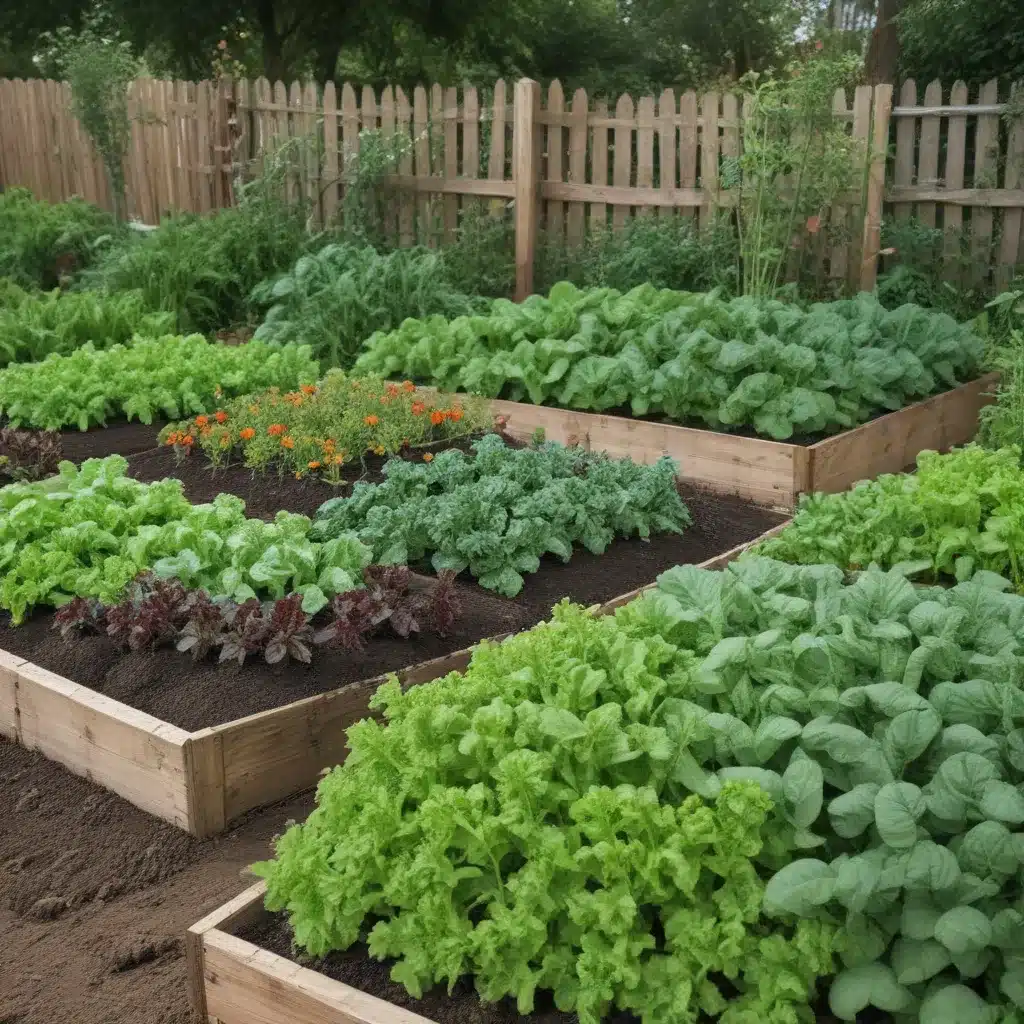
One of the best tips I can give you is to opt for raised garden beds. As the Montana Homesteader explains, these elevated structures make gardening a breeze. Not only do they improve drainage and prevent soil compaction, but they also reduce the need for back-breaking bending and stooping.
When it comes to materials, you’ve got plenty of options. Scrap wood, recycled pallets, even old stock tanks – the possibilities are endless! And the best part? You can customize the size and shape to perfectly fit your available space. No more feeling cramped or overwhelmed by an unruly plot.
Cultivating Healthy Soil
Now, once you’ve got your raised beds all set up, it’s time to turn your attention to the foundation of your garden – the soil. As the saying goes, “feed the soil, and the soil will feed your plants.” Gardeners.com emphasizes the importance of incorporating plenty of organic matter, like compost and aged manure, to create a nutrient-rich environment for your veggies to thrive.
I’ll never forget the first time I dug my hands into the rich, dark soil of my newly established raised beds. The earthy aroma and the way it crumbled so easily between my fingers – it was like striking gardening gold! And let me tell you, the difference it made in the vibrant, healthy growth of my plants was truly remarkable.
Mastering the Art of Succession Planting
Alright, now that you’ve got your dream garden spot and your soil is in tip-top shape, it’s time to start planning out your plantings. One of the most valuable lessons I’ve learned over the years is the art of succession planting. As Gardeners.com explains, this clever technique allows you to keep your harvest rolling all season long, rather than being overwhelmed with a sudden abundance.
Instead of planting everything at once, try sowing seeds or transplanting seedlings in batches, staggered over the course of the growing season. That way, you’ll have a steady, manageable supply of fresh veggies, rather than a sudden influx that might leave you drowning in zucchini and wondering what to do with it all.
Companion Planting for Pest Control and Pollination
As you’re mapping out your garden, don’t forget to incorporate the principles of companion planting. The Almanac suggests interplanting flowers like marigolds alongside your vegetables, as they can help deter pests and attract beneficial pollinators.
I’ll never forget the year I planted a rainbow of marigolds around my tomato plants. Not only did they add a vibrant splash of color to my garden, but I swear those pesky tomato hornworms steered clear of my patch entirely! And the bees – oh, the bees! They were buzzing around my garden, hard at work ensuring a bountiful harvest.
Keeping Track of Your Progress
Finally, one of the most valuable tips I can share is to keep detailed records of your gardening journey. As Gardeners.com suggests, maintain a garden journal or notebook where you can jot down everything from planting dates to pest observations. Trust me, this habit will become an invaluable resource as you continue to grow and refine your vegetable gardening skills.
I can’t tell you how many times I’ve looked back on my garden notes, marveling at how much I’ve learned and how my techniques have evolved over the years. It’s a true testament to the power of mindful observation and a willingness to adapt to the unique needs of your little oasis.
So there you have it, my friends – the ins and outs of starting your very own vegetable garden. From choosing the perfect spot to nurturing your soil and maximizing your growing space, these tips and tricks will have you well on your way to cultivating a thriving, bountiful garden in no time.
And remember, no matter where you are on your gardening journey, the team at ABC Home & Renovation in Aberdeen is here to support you every step of the way. Whether you need guidance on building raised beds or advice on tackling pesky pests, our experts are always happy to lend a hand. So let’s get growing – your dream garden awaits!