The Invisible Threat That Lurks All Around Us
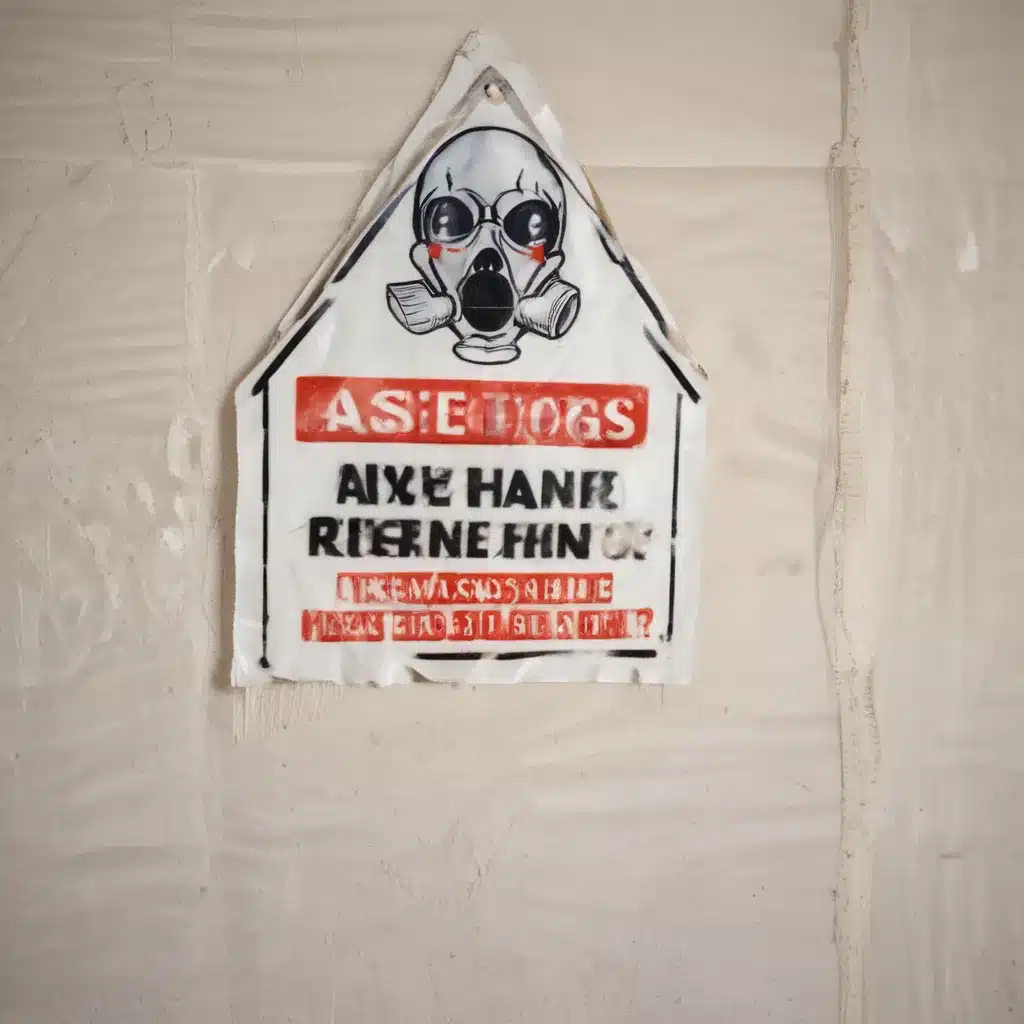
You know, when I first heard the term “hidden killer,” I have to admit, I had visions of some shadowy, nefarious figure lurking in the shadows, waiting to strike. But as it turns out, this hidden killer is far more insidious – and far more ubiquitous – than I ever could have imagined. I’m talking, of course, about asbestos.
This seemingly innocuous mineral fiber has been responsible for untold suffering and loss of life, and the truly terrifying part is that it’s all around us, silently waiting to wreak its havoc. In this article, we’re going to delve deep into the world of asbestos, exploring what makes it so dangerous, where it’s lurking in our homes and workplaces, and most importantly, what we can do to protect ourselves and our loved ones from this invisible threat.
The Deadly Truth About Asbestos
Let’s start with the basics – what exactly is asbestos, and why is it so deadly? Asbestos is a naturally occurring mineral that was once hailed as a miracle material, prized for its incredible strength, heat resistance, and insulating properties. It was used in everything from construction materials to household products, and for a time, it was considered an essential component of modern life.
But the truth is, asbestos is a carcinogen – a substance that can cause cancer. When asbestos fibers are disturbed and become airborne, they can be inhaled deep into the lungs, where they can cause a host of devastating health problems, including mesothelioma, lung cancer, and asbestosis.
The really scary part? Asbestos fibers are microscopic – too small to be seen with the naked eye. So you could be breathing them in without even realizing it, and the damage they can do can take decades to manifest. By the time symptoms appear, it may already be too late.
The Ubiquitous Presence of Asbestos
Now, you might be thinking, “Surely, if asbestos is so dangerous, it must have been banned and eliminated from our homes and workplaces by now, right?” Unfortunately, that’s not the case. Asbestos was used extensively in construction and manufacturing throughout the 20th century, and its presence is still widespread, even in buildings and products that were constructed long after its dangers were well-known.
In fact, it’s estimated that 81% of schools and 90% of NHS buildings in the UK still contain asbestos. And it’s not just schools and hospitals – asbestos can be found in countless other buildings, from homes and offices to industrial facilities and beyond.
The truth is, the U.S. has yet to implement a comprehensive ban on asbestos, and the same is true in many other countries around the world. This “legacy asbestos” continues to pose a serious threat to public health, with tens of thousands of people dying each year from asbestos-related diseases.
Protecting Yourself and Your Family
So, what can you do to protect yourself and your loved ones from this hidden killer? The first step is to be vigilant and aware of the potential presence of asbestos in your home, workplace, or any other building you may spend time in. If a building was constructed before the year 2000, it’s crucial to have it professionally inspected for asbestos before undertaking any renovations or construction work.
And even if you’re not planning any major projects, it’s important to be mindful of the potential for asbestos disturbance in your everyday life. Drilling, sawing, or any other activity that could release asbestos fibers into the air should be avoided unless you’re certain the material is asbestos-free.
But of course, the ultimate solution is to remove asbestos from our homes, workplaces, and communities entirely. That’s why it’s so important to support companies like ABC Home that are dedicated to safely and responsibly removing asbestos, and to push for stronger regulations and enforcement to ensure that this deadly material is finally eradicated for good.
The Urgency of Action
The sad truth is, the legacy of asbestos is one that will be with us for generations to come. But that doesn’t mean we have to accept it. By educating ourselves, being vigilant, and demanding action from our leaders and the companies that operate in our communities, we can work to protect ourselves and our loved ones from this hidden killer.
It won’t be easy, and it won’t happen overnight. But with determination, compassion, and a deep commitment to the health and safety of our communities, I believe we can finally consign asbestos to the dustbin of history, where it belongs. The time to act is now – for our own sake, and for the sake of generations to come.