Unclogging Your Sink the DIY Way
Picture this: you’re happily washing dishes when suddenly, the water starts to slowly drain, eventually coming to a complete standstill. Your heart sinks as you realize you’re dealing with a clogged sink. Before you pick up the phone and call a professional plumber, take a deep breath – this might be the perfect opportunity for you to unleash your inner handyman (or woman) and tackle the issue yourself.
I know what you’re thinking: “But what if I make it worse?” It’s a valid concern, and one I’ve had myself. However, with a little know-how and the right tools, you’d be surprised at how many simple plumbing fixes you can tackle without breaking the bank or risking further damage.
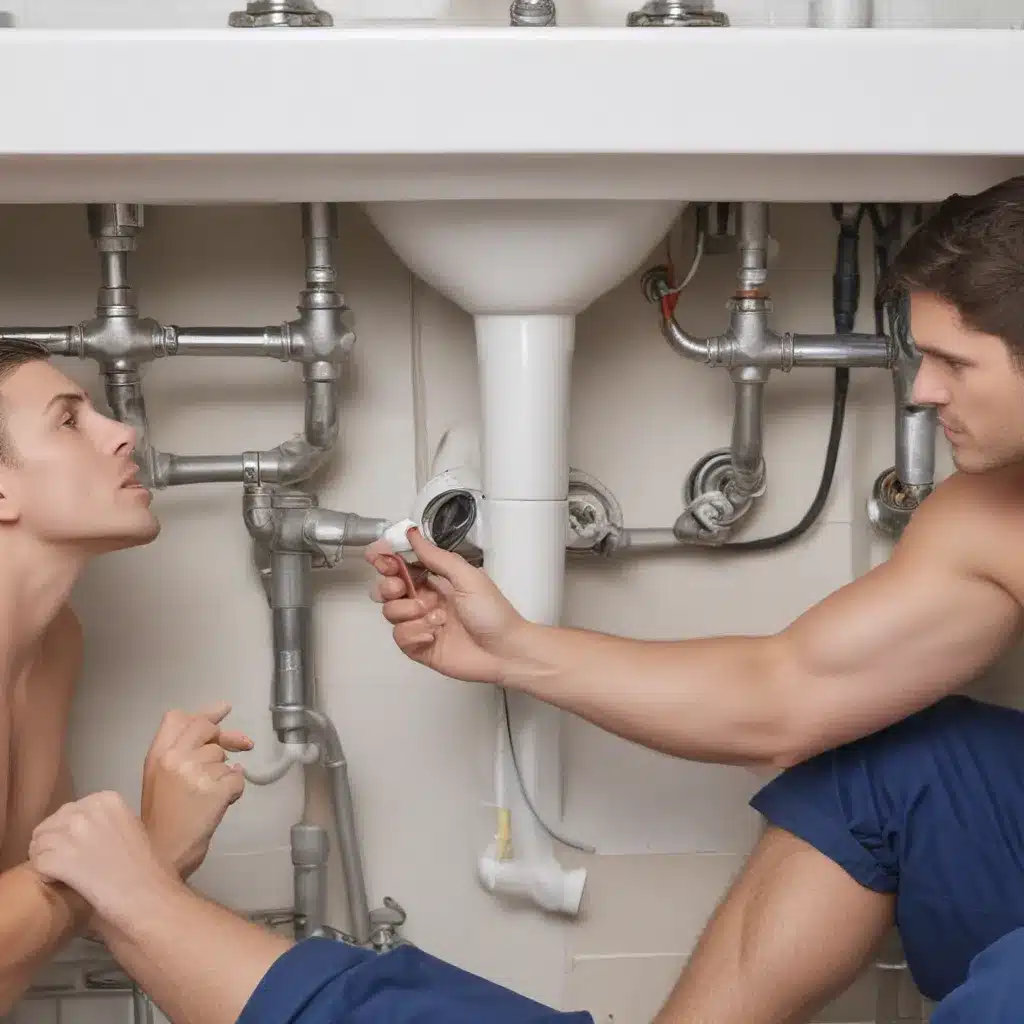
Let’s start with one of the most common household plumbing problems – a clogged sink. Now, I’ll admit, the very thought of sticking my hand down a smelly drain filled with who-knows-what can be enough to make me queasy. But trust me, with the right approach, you can clear that blockage in no time.
First, try the good old-fashioned plunger. This humble tool can work wonders, provided you use it correctly. Gently plunge the sink a few times, making sure to create a tight seal around the drain. If that doesn’t do the trick, it’s time to bring in the big guns – the trusty drain snake.
Drain snakes, also known as augers, are designed to penetrate deep into the pipes, breaking up even the most stubborn clogs. Simply insert the end of the snake into the drain, and crank the handle to extend the coil. When you feel resistance, that’s your cue to start pulling the snake back out, bringing the clog with it.
Now, I know what you’re thinking – “But what if I can’t get the snake in all the way?” Don’t worry, that’s where a little creativity comes in. Try using a sturdy wire coat hanger to dislodge the clog from the top of the drain. Just be gentle and don’t force it, or you might end up doing more harm than good.
Tackling Leaky Faucets
Ah, the dreaded leaky faucet – the constant drip-drip-drip that can drive even the most patient person insane. But fear not, my friends, for this is another plumbing problem you can conquer with a little elbow grease.
Replacing a faucet washer is a common DIY fix for a leaky faucet. First, turn off the water supply to the faucet, then disassemble the faucet to access the washer. A quick trip to the hardware store for a replacement washer, and you’re back in business.
But what if the problem is a bit more complex, like a dripping valve or a loose faucet handle? No need to panic – these can also be tackled with a little elbow grease and the right tools. Just be sure to turn off the water supply and take your time. If you’re feeling unsure, it’s always better to err on the side of caution and call in a professional.
When to Call in the Pros
Of course, not every plumbing issue is suitable for a DIY approach. There are certain times when it’s best to leave it to the experts. For example, if you’re dealing with a burst pipe, a gas leak, or any situation that poses a serious safety risk, it’s time to call in a professional plumber.
Plumr.co.uk advises that complex issues requiring specialized knowledge or equipment, such as extensive damage or problems with the home’s main water line, are also best left to the pros. After all, your family’s safety and the long-term health of your home’s plumbing system should be the top priorities.
When it comes to choosing a plumber, be sure to do your research. Look for someone who is licensed, insured, and has a proven track record of quality work. ABC Home Services in Aberdeen, for example, has been serving the community for over 20 years and is known for their reliable, honest, and efficient service.
The Importance of Preventative Maintenance
Remember, the key to avoiding costly plumbing emergencies is to stay on top of regular maintenance. Elmer’s Home Services recommends inspecting your pipes for any signs of wear or damage, clearing out debris from drains, and insulating exposed pipes to prevent freezing during the winter months.
By taking a proactive approach and tackling simple plumbing fixes when they arise, you can save yourself a lot of headache (and money) in the long run. And who knows, you might even surprise yourself and discover a hidden talent for DIY plumbing.
So, the next time you’re faced with a plumbing problem, take a deep breath, assess the situation, and decide whether it’s a job for you or time to call in the professionals. With a little know-how and the right tools, you’d be amazed at what you can accomplish.
Quora users have some great insights on when to tackle plumbing issues yourself and when to call a professional. But ultimately, it’s up to you to weigh the risks and benefits and make the decision that’s best for your home and your family.
Happy plumbing, my friends! And remember, if all else fails, there’s always YouTube.