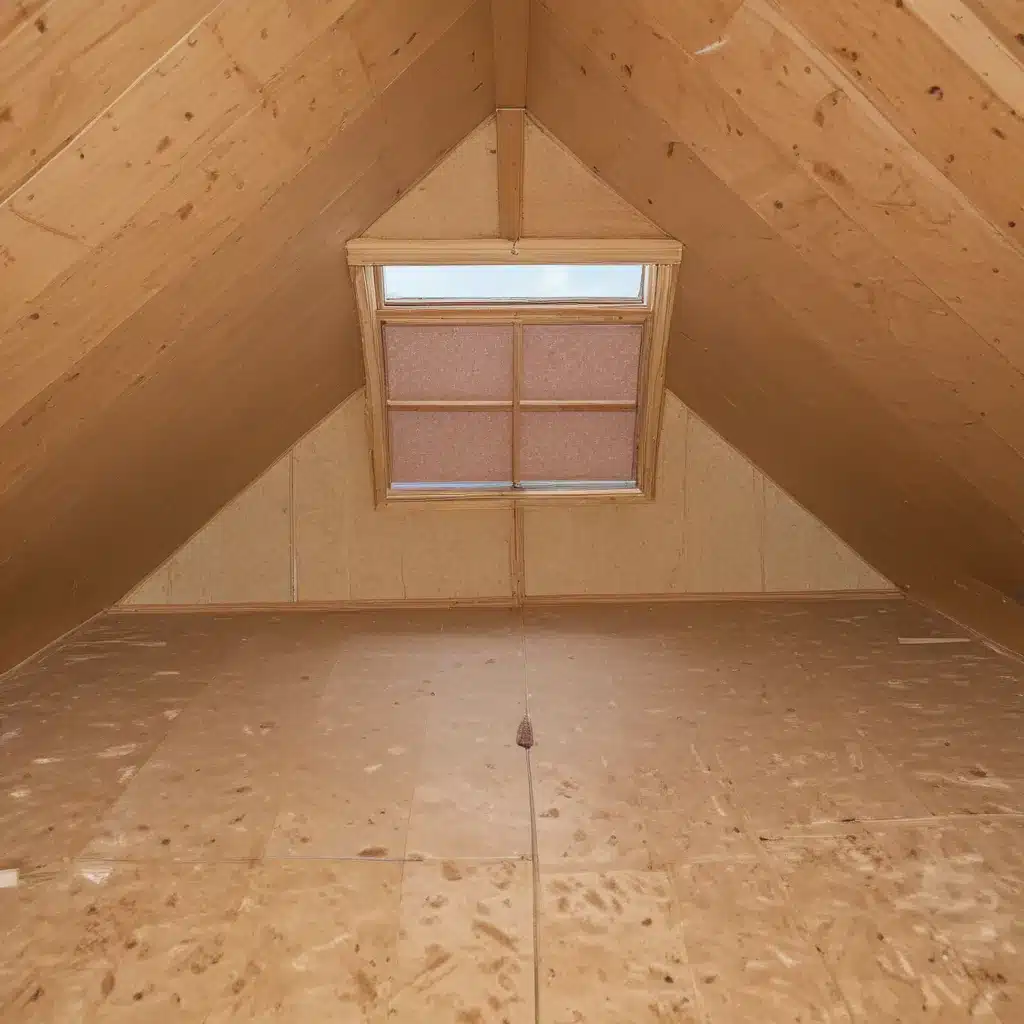
Tackling the Toasty Attic Trap
Remember that time you went up to your attic on a scorching summer day? The sweltering heat, the stifling humidity – it felt like you had stepped into a sauna, didn’t it? Well, my friend, that’s the reality many homeowners face, and it’s not a pleasant one. But fear not, I’m here to share a comprehensive guide on how to improve your attic ventilation and insulation, transforming that stifling space into a comfortable, energy-efficient haven.
As someone who’s been on the battle lines against the dreaded attic heat, I can attest to the frustration of trying to cool down the rest of your home while the attic is essentially a giant toaster oven. It’s like trying to cool a house with the oven door wide open – a losing proposition if there ever was one. But with the right strategies, you can turn the tide and create a healthier, more comfortable living environment.
Understanding the Importance of Proper Ventilation
Let’s start by diving into the crucial role of attic ventilation. You see, that hot, humid air loves to rise, and if it doesn’t have a clear path to escape, it gets trapped in your attic, causing all sorts of problems. Imagine it like trying to clear the smoke from a campfire – you need to create a good airflow to push that nasty stuff out, right?
Well, the same principle applies to your attic. Proper ventilation allows that hot, stale air to exit while drawing in cooler, drier air from the outside. This not only helps regulate the temperature in your attic but also plays a vital role in preventing moisture buildup and potential damage to your roof and insulation.
As the experts at Rollex.com explain, “Proper attic ventilation is not just a luxury — it’s a necessity. A well-ventilated attic can lead to energy savings, temperature control and extended roof longevity.” So, let’s dive in and explore the strategies to make your attic breathe a little easier.
Evaluating Your Existing Ventilation System
Before we can start making improvements, it’s crucial to understand your current attic ventilation setup. Take a good look around and make note of what you’ve got going on up there. Do you have soffit vents, ridge vents, or gable vents? Are they all in working order, or have they been obstructed over time?
The experts at ENERGY STAR provide a great overview of the different types of attic vents and how they work together to create that all-important airflow. They emphasize the importance of having a balanced system, with both intake and exhaust vents, to ensure maximum efficiency.
As you assess your setup, also consider the changes in air movement throughout the seasons. In the summer, the main concern is overheating, while in the winter, inadequate ventilation can lead to moisture buildup and ice dams. Understanding these seasonal challenges will help guide your ventilation improvements.
Upgrading Your Ventilation System
Okay, now that you’ve got a handle on your current ventilation situation, it’s time to start making some upgrades. One of the most effective ways to improve airflow is by installing ridge vents. These run along the peak of your roof and allow the warm, moist air to escape naturally. As Rollex explains, “When installed correctly, ridge vents blend seamlessly with the roofline to provide effective ventilation without compromising aesthetics.”
But ridge vents can’t do it all on their own – they need some help from their trusty sidekicks, the soffit vents. Also known as under-eave vents, these are crucial for drawing in that fresh, cool air and setting up the perfect cyclical airflow. Working in tandem, the ridge vents and soffit vents create a natural ventilation system that will keep your attic breathing easy.
And if you’re really feeling ambitious, consider adding a few gable vents to the mix. These wall-mounted vents near the top of the gable ends can provide an extra boost of airflow, especially when paired with other ventilation methods.
Harnessing the Power of Attic Fans
Now, I know what you’re thinking – “But what if I want to take my attic ventilation to the next level?” Well, my friend, that’s where attic fans come into play. These amazing little workhorses can actively manage and optimize the airflow in your attic, ensuring that hot air is constantly being pushed out and replaced with cooler air from the outside.
As one Redditor shared, adding a fan or a spinning turbine vent can make a big difference in keeping the attic temperature down on those scorching summer days. Just be sure to balance the use of attic fans with proper insulation and air sealing, as you don’t want to accidentally suck out the cool air from your living spaces.
The Crucial Role of Insulation
Now, while we’ve been focusing a lot on ventilation, we can’t forget the importance of insulation in maintaining a healthy attic environment. After all, ventilation and insulation go hand in hand when it comes to creating a comfortable and energy-efficient home.
As the experts at Insulate Kansas City explain, “At first it may seem odd to add insulation for warmth and then purposely allow cold air to enter the attic through vents, but this combination is the key to a durable and energy-efficient home.” The insulation helps maintain the temperature differential, while the ventilation ensures that the attic doesn’t become a stuffy, stagnant sauna.
So, as you’re tackling your attic ventilation upgrades, be sure to also assess your insulation situation. Make sure you’ve got enough coverage, and that it’s installed properly without blocking any of those crucial soffit vents. Trust me, the perfect pairing of ventilation and insulation will work wonders for your home’s comfort and energy efficiency.
Putting It All Together: Improving Attic Ventilation and Insulation
Alright, let’s recap what we’ve covered so far. To improve your attic ventilation and insulation, you’ll want to:
- Evaluate your existing setup and understand the seasonal challenges you’re facing.
- Upgrade your ventilation system by installing ridge vents, soffit vents, and potentially gable vents.
- Consider adding attic fans to actively manage airflow and keep that hot air moving out.
- Ensure your insulation is up to par, providing the necessary temperature regulation while still allowing for proper airflow.
And don’t forget, when it comes to home improvement projects, following the building codes and best practices is key. As Rollex reminds us, “Adhering to building codes isn’t just a legal necessity, it’s also a pathway to optimal efficiency for your home.”
By taking the time to implement these strategies, you’ll be well on your way to transforming your attic from a sweltering sauna into a comfortable, energy-efficient oasis. And let me tell you, the relief you’ll feel on those scorching summer days will be worth every ounce of effort.
So, what are you waiting for? Head on up to that attic, take a deep breath (try not to faint from the heat), and let’s get to work on improving your ventilation and insulation. Your future self will thank you, and your air conditioning unit will certainly appreciate the break!
If you’re ready to take the next step in improving your home’s comfort and energy efficiency, be sure to check out ABC Home Services. Their team of experts can guide you through the process and ensure your attic renovations are done right. Let’s work together to keep your home cool, cozy, and cost-effective all year round!