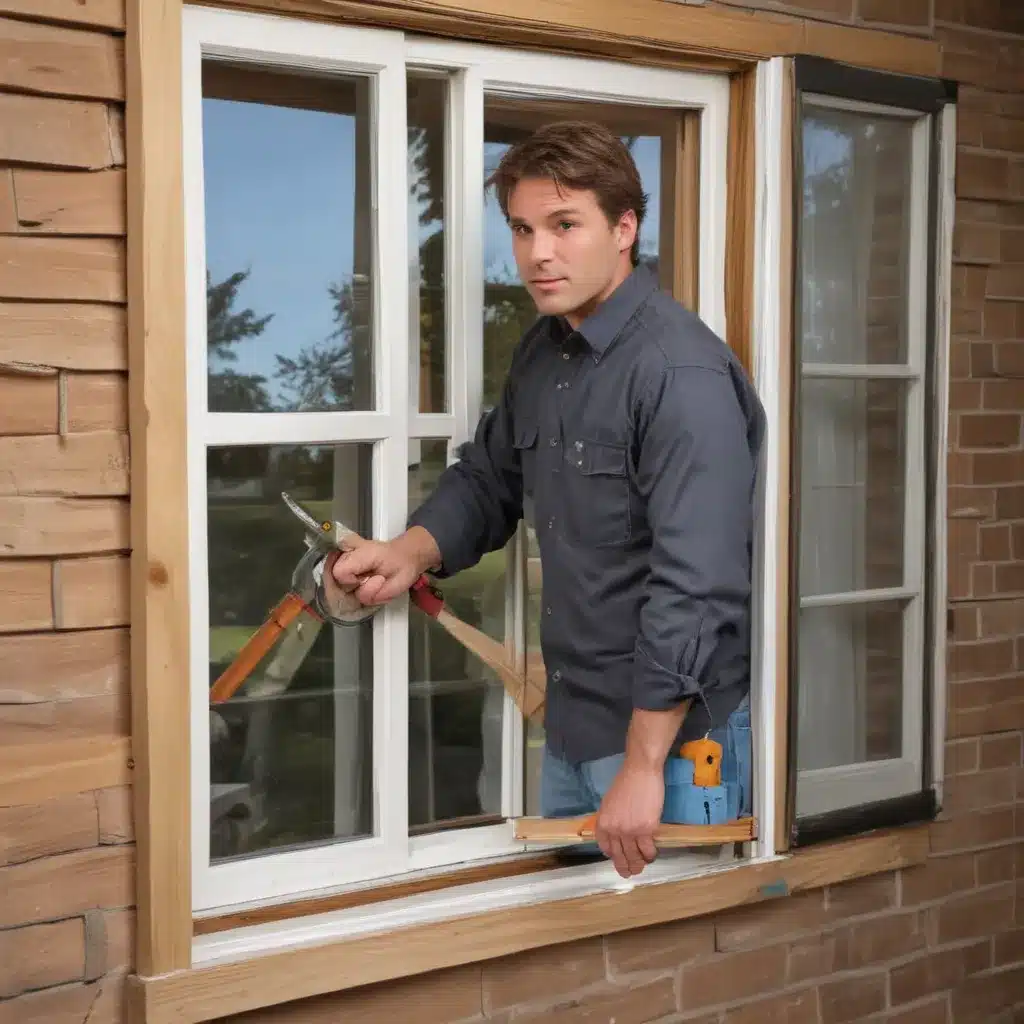
Don’t Let Drafty Doors and Windows Leave You Out in the Cold
As the chill of winter starts to fade and the promise of spring hangs in the air, it’s the perfect time to give your home a little TLC. And one of the most important areas to focus on? Your windows and doors.
You see, those pesky drafts that make your home feel less than cozy during the colder months? They’re not just a nuisance – they can also be a major drain on your energy bills and overall home comfort. That’s why I’m here today to share my top tips for identifying and sealing up those troublesome air leaks around your windows and doors.
Trust me, friends, I know firsthand how frustrating it can be to feel like you’re heating (or cooling) the great outdoors. As a homeowner in Aberdeen, I’ve had my fair share of battles with drafty entryways and rattling window panes. But after some trial and error, I’ve learned a thing or two about getting to the bottom of those air leaks and making my home airtight.
So, grab a cup of tea, cozy up, and let’s dive in. By the time we’re done, you’ll be well on your way to a cozier, more energy-efficient abode – and maybe even a few extra quid in your pocket each month. Sound good? Brilliant, let’s get started!
Spot the Suspects: Identifying Air Leaks Around Windows and Doors
Before we can start plugging up those pesky drafts, we need to find them first, right? Now, you might be thinking, “But Jen, how hard can it be to spot a drafty window or door?” And I get it – sometimes those air leaks can be pretty darn obvious. But other times, they can be a bit more elusive, hiding in the nooks and crannies of your home.
That’s why I always recommend doing a thorough walkthrough, both inside and out, to really scope out the situation. Start by visually inspecting all your windows and doors, looking for any cracks, gaps, or areas where the seals seem to be failing. You can also try the old-fashioned “hand test” – simply run your hands around the frames and see if you can feel any unwanted air movement.
But don’t stop there! The U.S. Department of Energy suggests some other handy tricks, like using a lit incense stick or smoke pencil to pinpoint problem areas. Just hold it near the potential leak spots and watch how the smoke reacts. If it starts swirling and dancing, you’ve got yourself an air leak, my friend.
And don’t forget about those overlooked spots, like electrical outlets, attic hatches, and even your fireplace flue. Yep, even something as innocuous as an open flue can let all that precious heated (or cooled) air escape your home. So be sure to give those areas a good once-over as well.
Filling the Gaps: Sealing Up Air Leaks Around Windows and Doors
Alright, now that you’ve got a handle on where those pesky air leaks are lurking, it’s time to get to work sealing them up. And let me tell you, there’s no shortage of options when it comes to air-sealing techniques and materials.
For starters, caulking and weatherstripping are two of the most popular and effective methods. Caulk is great for filling those static cracks and gaps around window and door frames, while weatherstripping is perfect for sealing up the movable parts.
Now, I know what you’re thinking – “But Jen, I’m not exactly a DIY superstar. How hard can this stuff be?” Well, let me tell you, it’s a lot easier than you might think! With a little bit of elbow grease and the right tools, even a novice like myself can tackle these air-sealing projects with ease.
Just be sure to do your homework and choose the right products for the job. For example, if you’ve got old, drafty windows, you might want to consider upgrading to more energy-efficient models from ABC Home. Or, if your fireplace is a major culprit, an inflatable chimney balloon or a homemade flue plug could be the solution.
And let’s not forget about insulation! While air sealing is crucial, proper insulation is also key to keeping that precious heat (or coolness) where it belongs – inside your home. So be sure to assess the insulation levels in your walls, attic, and even around those windows and doors.
Putting It All Together: Enjoying the Benefits of a Draft-Free Home
Alright, let’s take a step back and admire all the hard work you’ve put in. Those drafty windows and doors have been tamed, the air leaks have been sealed, and your home is feeling cozier than ever. But the benefits of your efforts don’t stop there, my friends.
For starters, say goodbye to those sky-high energy bills. By plugging up those air leaks and improving your home’s insulation, you’re essentially trapping all that heated (or cooled) air inside, where it belongs. According to the California Department of Community Services and Development, this can lead to significant savings on your utility costs – we’re talking potentially hundreds of pounds per year, depending on the size and efficiency of your home.
But the perks don’t end there. With a tighter, more airtight home, you’ll also enjoy improved indoor air quality and better overall comfort. No more chilly drafts or hot spots – just a cozy, well-regulated living space that’s a joy to spend time in.
And let’s not forget about the environmental benefits, too. By reducing your home’s energy consumption, you’re doing your part to lower your carbon footprint and help protect our planet. It’s a win-win-win, if you ask me!
So, what are you waiting for? Grab your caulk gun, put on your problem-solving hat, and let’s get to work ensuring your windows and doors are keeping the great outdoors where it belongs. Trust me, your future self (and your wallet) will thank you.