A useful modern extension plan should turn ideas into buildable choices: what the new space does, what the existing house can carry, where the light enters, and what approvals or professional input may be needed.

Modern extension idea finder
Use this to choose a sensible first concept before drawings or quote comparisons.
Six modern extension ideas that are actually useful
| Idea | Best when | Watch-outs |
|---|---|---|
| Kitchen-dining rear extension | The kitchen is too small, cut off from the garden or poor for family meals. | Extraction, drainage, sockets, lighting, structural opening and temporary kitchen disruption. |
| Side-return or infill extension | There is dead side space beside the kitchen or dining room. | Neighbour impact, roof drainage, daylight to the middle room and party wall/detailing issues. |
| Glazed corner or rooflight-led design | The existing rooms are dark but the footprint does not need to be huge. | Privacy, overheating, roof structure, cleaning access and loss of usable wall storage. |
| Garden-facing work/hobby room | The home needs a quiet office, studio or flexible ground-floor space. | Data/power, acoustic separation, heating, storage and whether it still works as family space later. |
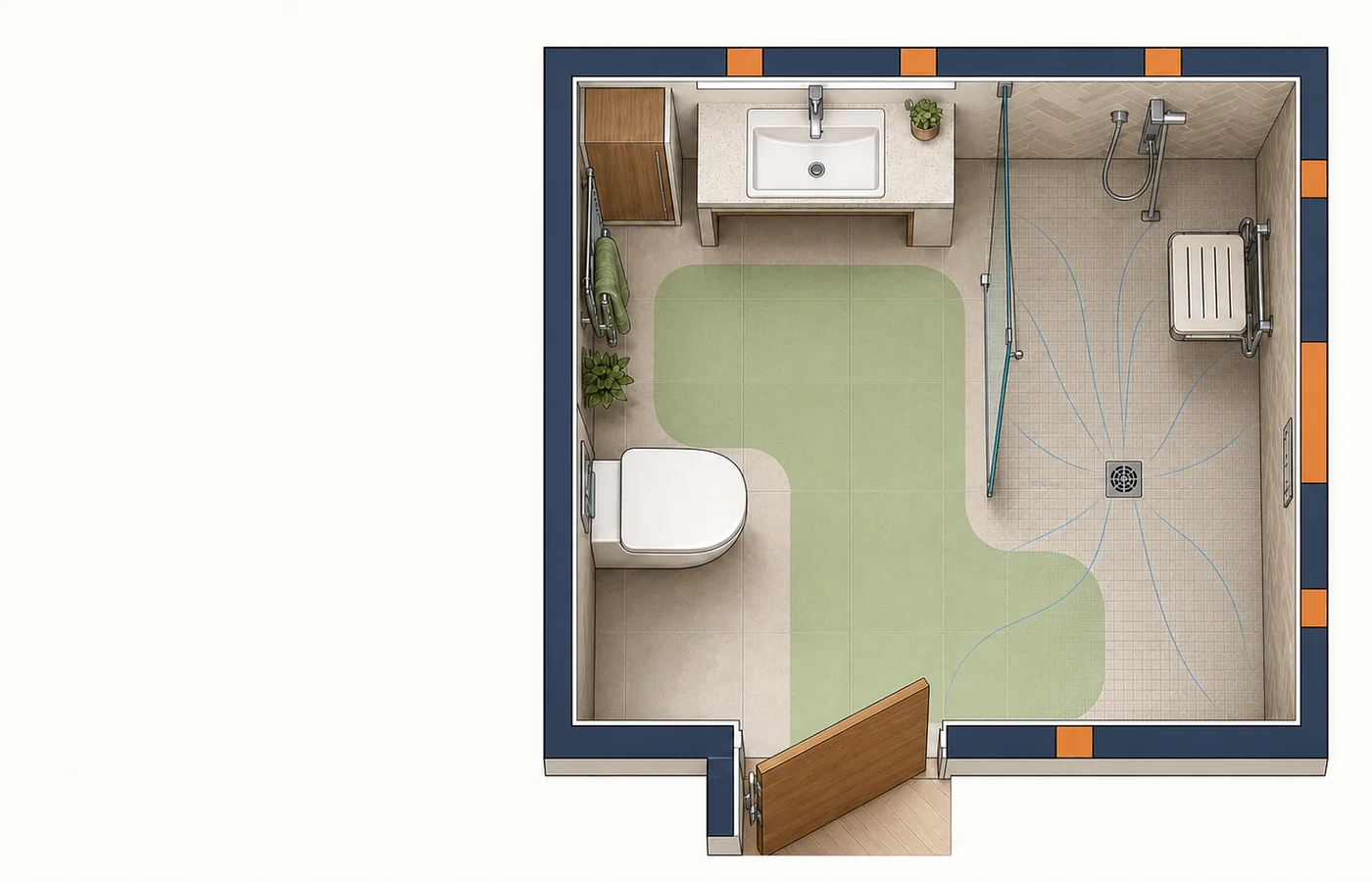
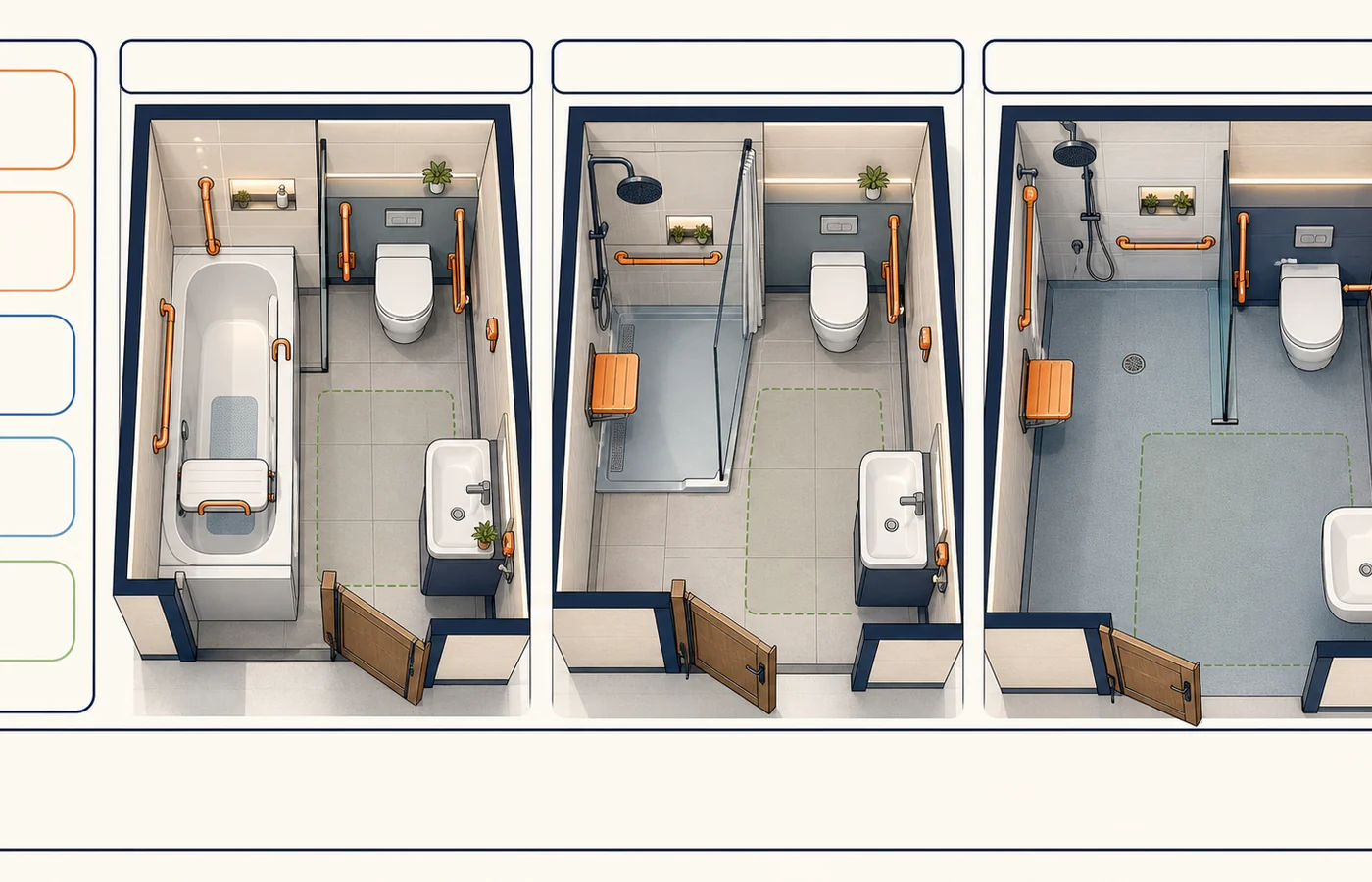
| Accessible ground-floor suite | The house needs future care flexibility, level access or a safer bathroom route. | Door widths, turning space, drainage falls, support fixings and the route from entrance to room. |
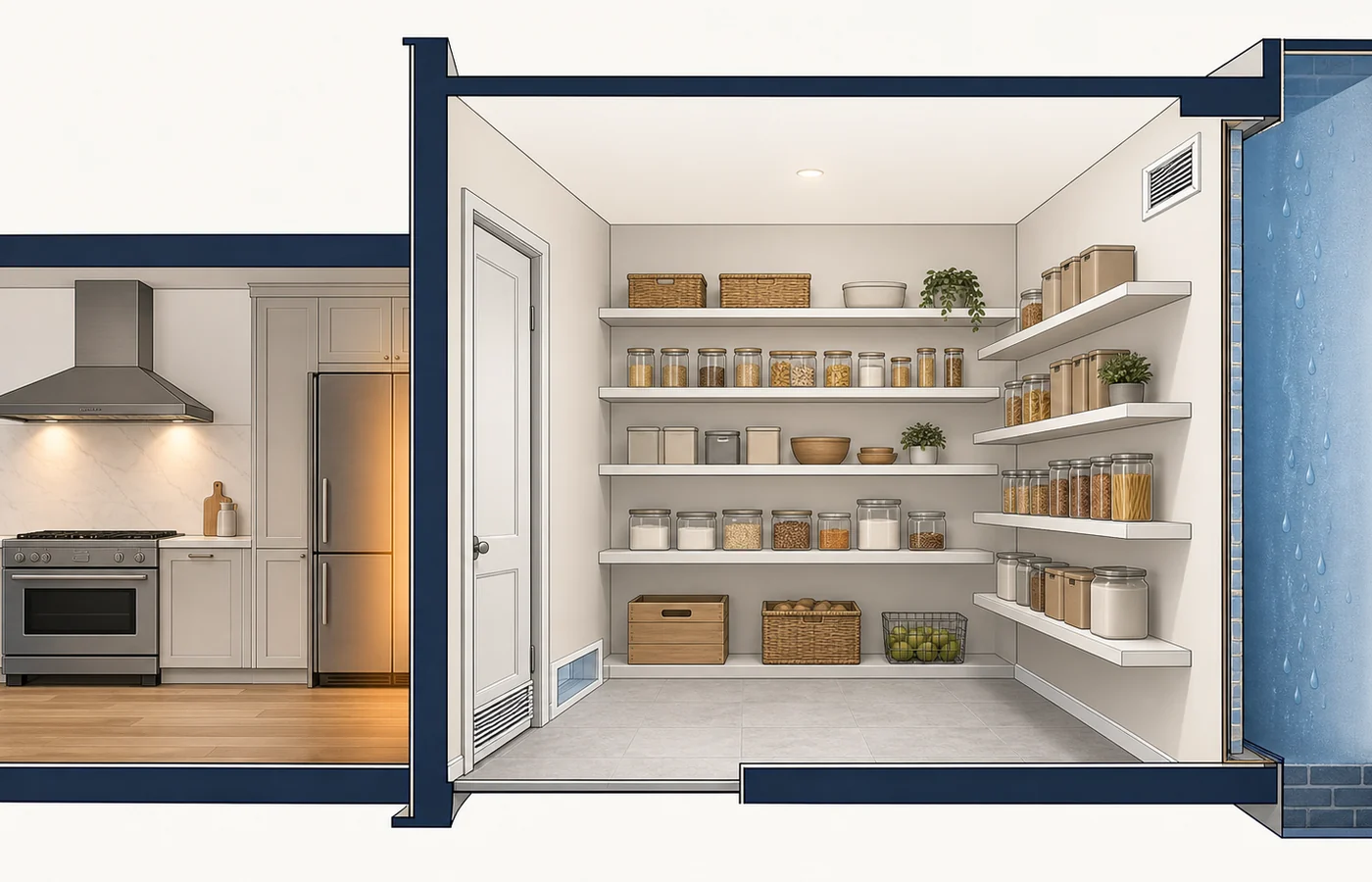
| Compact utility/boot-room extension | The house lacks laundry, coats, dog wash, storage or a practical back door. | Plumbing, ventilation, waterproof finishes, floor falls and whether it blocks useful daylight. |
Photo-first inspiration is not enough
A picture can show materials, light and mood, but it does not tell you whether the wall can be opened, whether the drain is in the wrong place, whether a neighbour will object, or whether the roof form will pass the practical test. Use images to discuss taste, then use a survey and specification to test buildability.
Rooflights, larger doors and glazed corners can transform a room, but they must be balanced against privacy, glare, heat loss and useful wall space.
Removing a rear wall or forming a wide opening is a structural job. Early engineering input can prevent a pretty sketch becoming an expensive surprise.
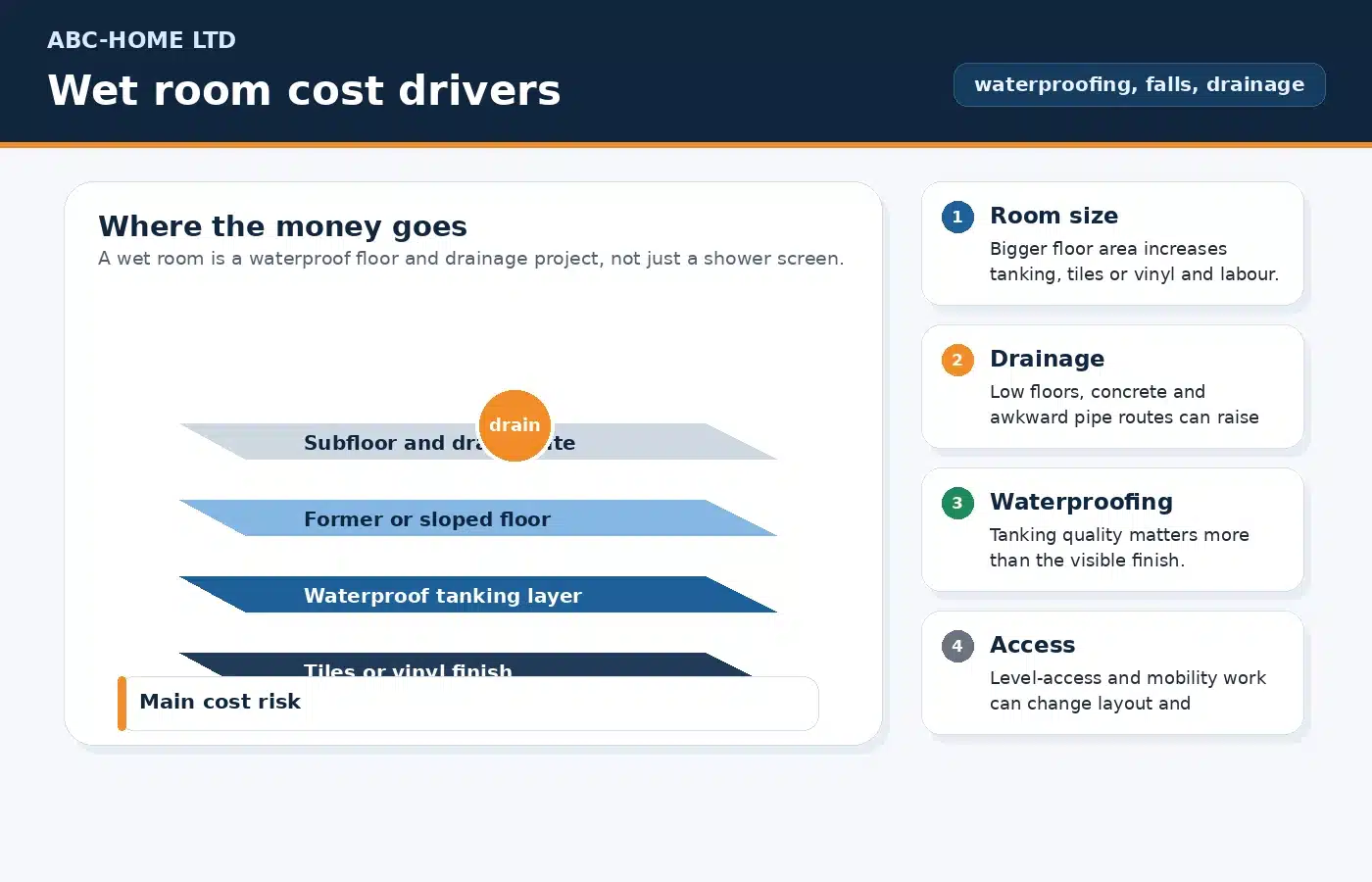
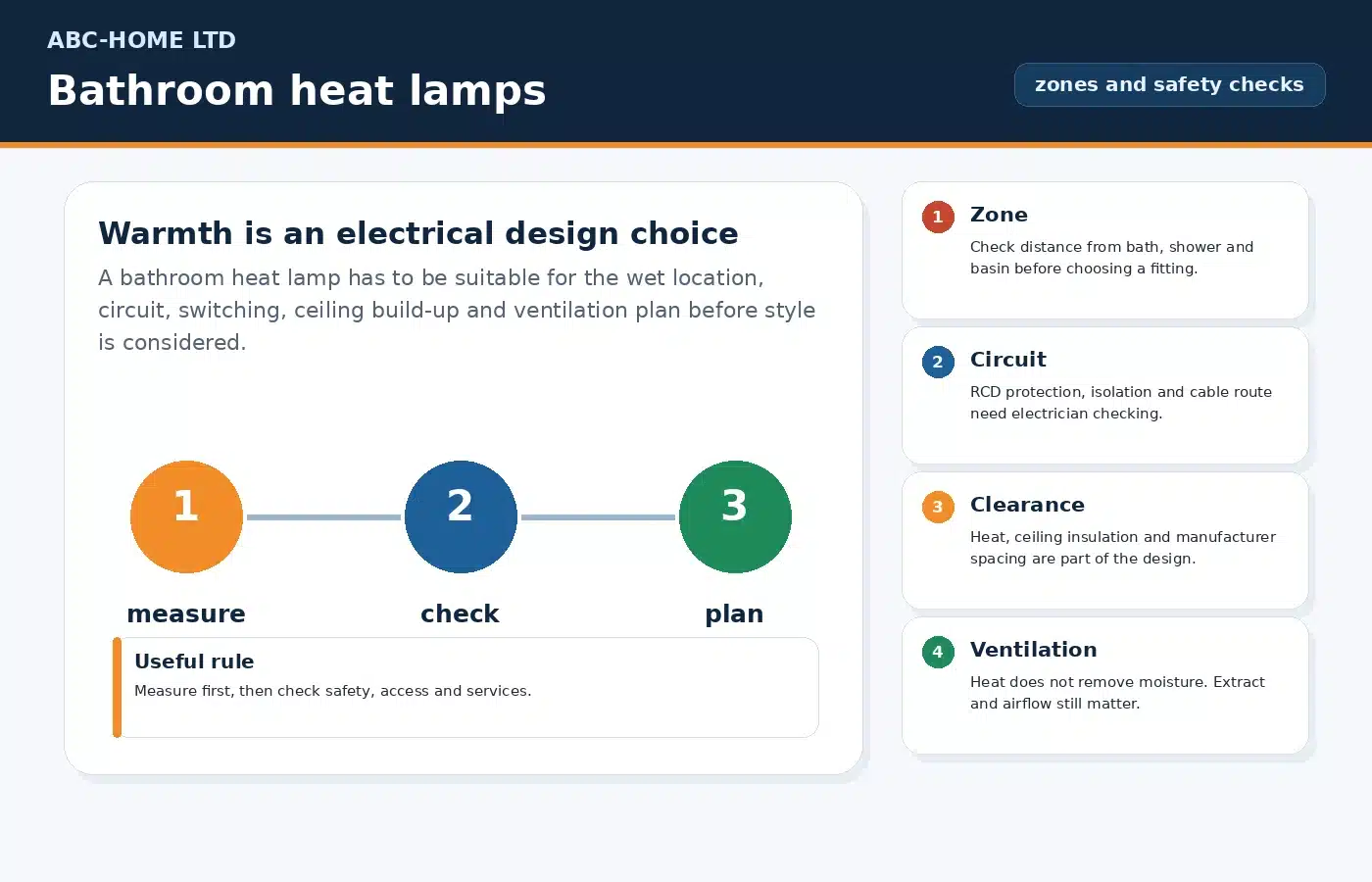
Kitchens, bathrooms and utilities need drainage, water, ventilation, heating and electrics planned before the layout is fixed.
In Scotland, planning and building warrant are separate. Do not assume a stylish small extension avoids every formal step.
Modern materials that suit Aberdeen homes
Modern does not have to mean a flat grey box. Timber cladding, slate tones, zinc-like detailing, simple render, brick, stone, rooflights and dark-framed glazing can work well when they relate to the original house. Older granite or stone properties often look better when the extension is clearly contemporary but respectful in scale and proportion.
Good modern contrast
- Simple shape with careful junctions.
- Materials chosen to sit beside the existing house.
- Glazing placed for daylight and room use.
- Drainage, insulation and roof details designed early.
Weak modern contrast
- Oversized glass with nowhere for storage or services.
- Flat-roof idea copied without checking drainage and structure.
- Cladding chosen for a render image, not local weather.
- Kitchen layout squeezed in after the shell is drawn.
Planning and building warrant reality in Scotland
Scottish householder permitted development rights can allow some work without a planning application, but the details matter. Conservation areas, listed buildings, previous extensions, boundaries, height, location and design can change the route. Separately, building warrant deals with building standards such as structure, fire, energy, ventilation and drainage. A modern extension should be designed with both conversations in mind.
What to prepare before a design or builder visit
- Write the main job of the room in one sentence.
- Measure the rough footprint and mark the wall or opening that changes.
- Photograph drains, boiler, consumer unit, roofline, access route and the existing garden level.
- List must-haves separately from nice-to-haves.
- Check whether the home has planning constraints or previous extensions.
- Ask how the concept affects heating, electrics, plumbing, extraction and making good.
Where ABC Home fits
ABC Home can help bring the idea down to buildable steps: what wall changes, what services move, what finish level is realistic, and what should be checked before a quote is treated as comparable. That practical filter matters more than choosing the trendiest extension photo.
Sources and practical checks
- Scottish Government householder permitted development rights circular: official Scottish guidance explaining householder permitted development rights and limitations.
- Aberdeen City Council building warrants: local building warrant route for Aberdeen projects.
- Scottish Government domestic technical handbook January 2025: domestic building standards reference for Scottish building work.
Modern extension ideas that still need structural checks
Large openings, rooflights, pocket doors and open-plan layouts can make a modern extension feel simple on paper but more demanding on site. Before committing to the look, check whether a structural engineer is needed and use NHBC standards as a useful quality reference for domestic construction expectations.
- Institution of Structural Engineers technical guidance notes: structural assessment and design background.
- NHBC Standards: house-building technical and quality context.
FAQ
What modern extension idea works best for most homes?
The best idea is usually the one that fixes the daily use of the house: better kitchen-dining space, daylight, storage, work area, access or connection to the garden. A dramatic shape is less useful if it creates awkward circulation or expensive structure.
Do modern extensions in Scotland need planning permission?
Sometimes they do and sometimes they may fall within permitted development rules. Planning and building warrant are separate checks in Scotland, so a project can still need building standards approval even when planning permission is not the main issue.
Should I design the glazing first?
No. Plan the room use, structure, privacy, overheating, wall space, sockets, extraction and budget before choosing the biggest glass panel. Good glazing supports the layout rather than replacing it.