As an educator and lifelong learner, I’ve always been fascinated by the intersection of technology, design, and the spaces we inhabit. And when it comes to home additions, the possibilities for innovation and boundary-pushing are truly endless.
You see, I’ve long struggled with the traditional notions of work-life balance, especially in the demanding field of teaching. For years, I’ve found myself drowning in a sea of endless to-do lists, Sunday scaries, and a persistent feeling that there just aren’t enough hours in the day. But recently, I’ve started to realize that the key to reclaiming my time and sanity might just lie in redefining the very boundaries of my living space.
Embracing the Potential of Virtual and Augmented Reality
It all started when I stumbled upon a Stanford article that got me positively giddy about the future of immersive technologies in education. The idea of using augmented reality and virtual reality to create interactive, 360-degree learning experiences had me practically bouncing off the walls. And then I started to wonder – if these cutting-edge tools could revolutionize the way we teach and learn, could they also transform the way we approach home additions?
Imagine being able to virtually “walk through” a proposed home expansion, exploring the space and envisioning how it might integrate with the rest of your living area. Or how about using mixed reality to create interactive, hyper-realistic simulations that allow you to see the effects of climate change on your local environment? The possibilities are truly mind-boggling.
According to Stanford experts, these immersive technologies are poised to “explode” in the classroom over the next few years. And I can’t help but wonder – if they can transform the way we learn, why not the way we design and build our homes as well?
Rethinking the Traditional Boundaries of Home Life
But it’s not just about the tech – it’s also about challenging the very foundations of how we think about our living spaces. As I’ve delved deeper into the concept of boundary-setting, I’ve come to realize that the walls and floors of our homes are far more than just physical barriers. They’re emotional, psychological, and even spiritual touchstones that shape our sense of self, our relationships, and our overall well-being.
Just as I’ve had to redefine the boundaries of my teaching practice, I’ve realized that the time has come to do the same for my home life. No more bringing work home, no more answering emails at all hours, and no more guilt-free boundary-setting. It’s time to reclaim my space, my time, and my sanity.
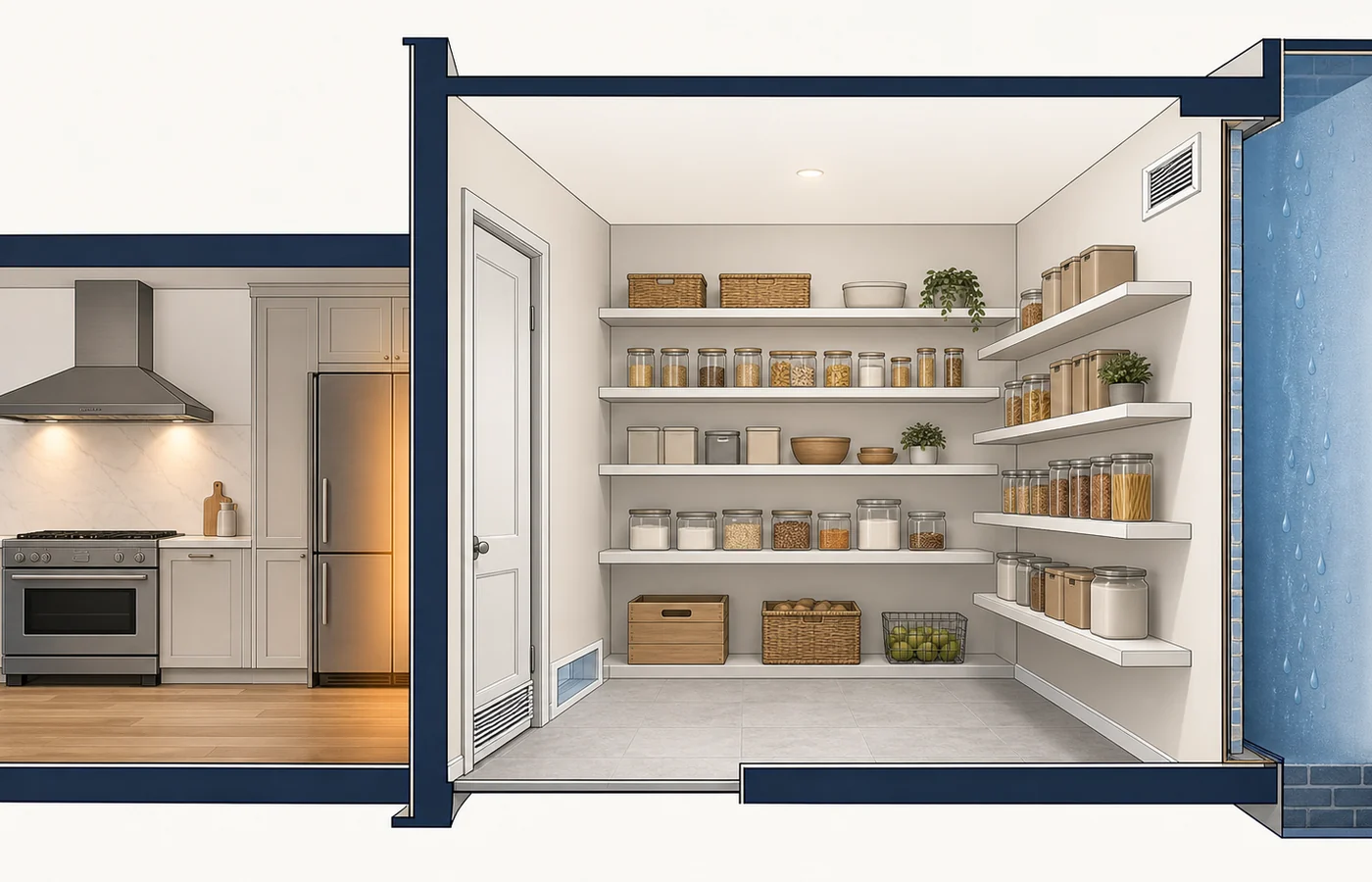
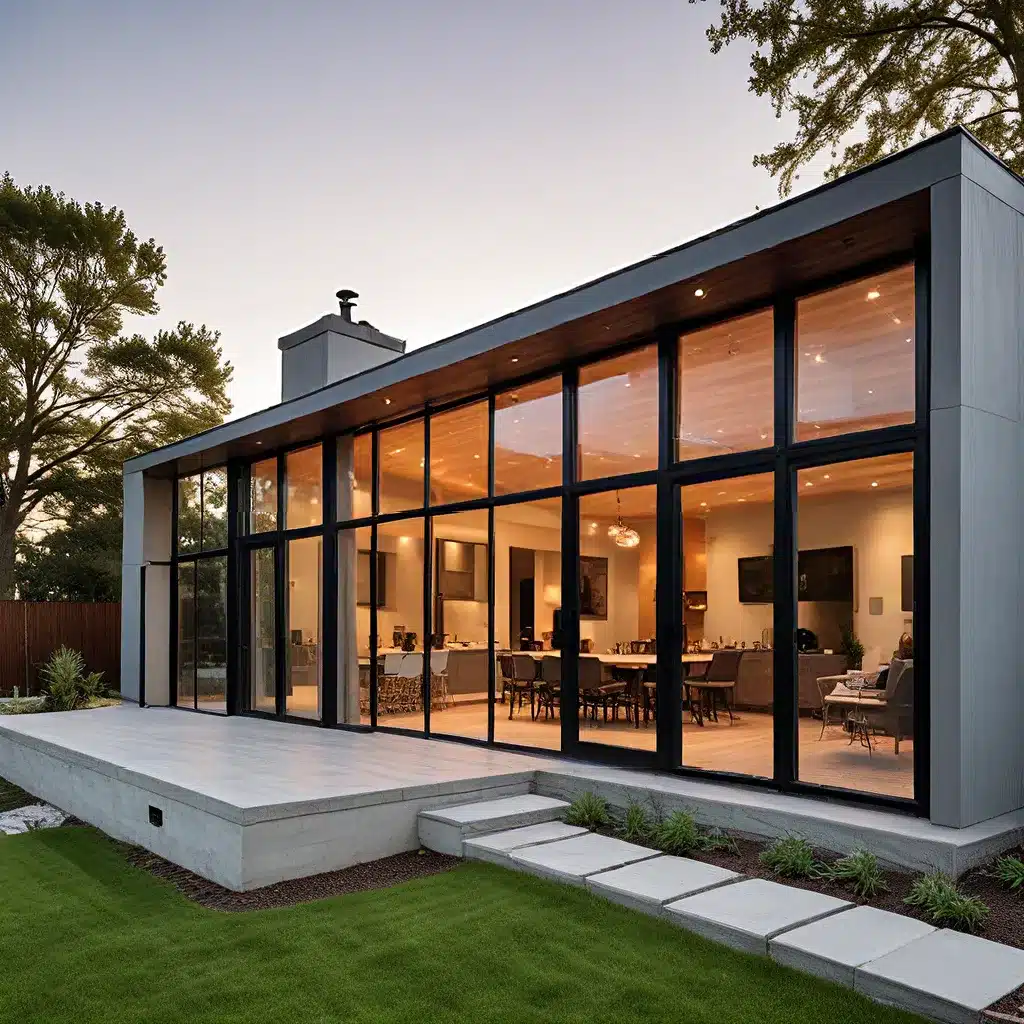
And that’s where home additions come into play. By thoughtfully expanding our living spaces, we have the opportunity to not just add square footage, but to redefine the very essence of what “home” means to us. Maybe it’s a dedicated home office that allows me to truly leave work at work. Or perhaps it’s a cozy nook for reading and journaling, a sacred space where I can nurture my own well-being. The possibilities are endless, limited only by our creativity and our willingness to challenge the status quo.
Designing for Flexibility and Personalization
Of course, as with any innovative endeavor, there are also potential pitfalls to consider. The Harvard Business Review article on reinventing service delivery reminds us that technology is a double-edged sword – it can automate the bad just as efficiently as the good. And when it comes to home additions, we have to be mindful of not just the “wow” factor, but the practical considerations as well.
That’s why I believe the key to successful home expansion lies in designing for flexibility and personalization. Rather than rigid, one-size-fits-all solutions, we should be embracing the opportunity to create spaces that can adapt and evolve alongside our ever-changing needs and preferences.
Maybe that means incorporating modular furniture that can be rearranged on a whim, or smart home technology that learns and adapts to our routines. Or perhaps it’s as simple as building in extra storage and multifunctional zones that can be repurposed as our lives change. The goal is to create a home that truly reflects our unique identities and shifting priorities, rather than forcing us to conform to a static, predetermined mold.
The Future of Home Additions: A Bold New Vision
As I’ve delved deeper into this topic, I can’t help but feel a growing sense of excitement and possibility. The future of home additions is not just about square footage or resale value – it’s about redefining the very boundaries of what a home can be**. It’s about using technology, design, and a healthy dose of creativity to craft living spaces that nourish our souls, support our well-being, and enable us to thrive in every facet of our lives.
And companies like ABC Home in Aberdeen, UK are at the forefront of this bold new vision. By embracing the latest innovations in construction, design, and smart home technology, they’re helping homeowners like me reimagine the very concept of “home.” Whether it’s a cutting-edge addition that seamlessly blends the virtual and physical realms, or a thoughtfully designed space that provides a much-needed oasis of calm, the possibilities are truly limitless.
So, if you’re like me and you’re feeling the weight of a world that’s constantly demanding more and more, I encourage you to take a step back and consider how a home addition could redefine the boundaries of your living space – and your life. After all, sometimes the key to finding that elusive work-life balance isn’t about trying harder, but about rethinking the very foundations upon which we’ve built our lives.
Who knows – with a little creativity and a whole lot of courage, our homes just might hold the secret to unlocking a bold new era of personal fulfillment and well-being. The future is ours to design, one thoughtful addition at a time.