In the realm of modern architecture and interior design, the boundaries between indoor and outdoor spaces are becoming increasingly blurred. This captivating trend has given rise to the concept of transitional spaces – areas that seamlessly connect the comfort of the indoors with the allure of the great outdoors. As a homeowner, I’ve been fascinated by this harmonious fusion and the myriad of benefits it can bring to our living experiences.
Embracing Biophilic Design
At the heart of this nature-infused trend lies the concept of biophilic design – our innate human desire to reconnect with the natural world. By incorporating elements like indoor plants, natural materials, and soothing earth tones, we can evoke a sense of calm and tranquility that promotes a more balanced and harmonious interior. It’s as if we’re bringing the great outdoors right into our homes, creating a sanctuary where the boundaries between the two realms blur beautifully.
Creating Outdoor Ambiances Indoors
One of the most captivating aspects of transitional spaces is the way they transform indoor areas to mirror the ambiance of the great outdoors. Imagine stepping into a living room where large windows flood the space with natural light, offering uninterrupted views of the lush greenery or serene water features outside. The use of textures reminiscent of nature, such as weathered wood or natural stone, further enhances the outdoor feel, creating an immersive experience that seamlessly blends the two realms.
The Well-Being Factor
As someone who values holistic living, I’ve been intrigued by the positive impact that nature-infused interiors can have on our well-being. Research suggests that exposure to natural elements indoors can reduce stress, enhance cognitive function, and improve our overall mental and physical health. It’s as if our bodies and minds recognize the restorative power of the outdoors, even when we’re nestled within the comfort of our homes. This trend aligns perfectly with our innate need to connect with nature for restoration and renewal.
A Connection to Seasonal Changes
Another captivating aspect of nature-infused interiors is the way they allow us to stay connected to the changing seasons. From the warm hues of autumn to the fresh greens of spring, incorporating seasonal elements into the design fosters a dynamic and ever-evolving living space. It’s like bringing the pulse of the great outdoors right into our homes, creating a living, breathing environment that reflects the natural rhythms of the world around us.
Sustainable Interior Choices
As someone who is deeply committed to sustainable living, I’ve been thrilled to see the synergy between the nature-infused trend and eco-friendly design practices. By integrating natural materials, reclaimed wood, and energy-efficient solutions, this trend promotes a responsible approach to interior design that aligns with our collective responsibility to protect the environment. It’s a win-win situation, where we can enjoy the beauty of nature while also minimizing our impact on the planet.
Architectural Harmony
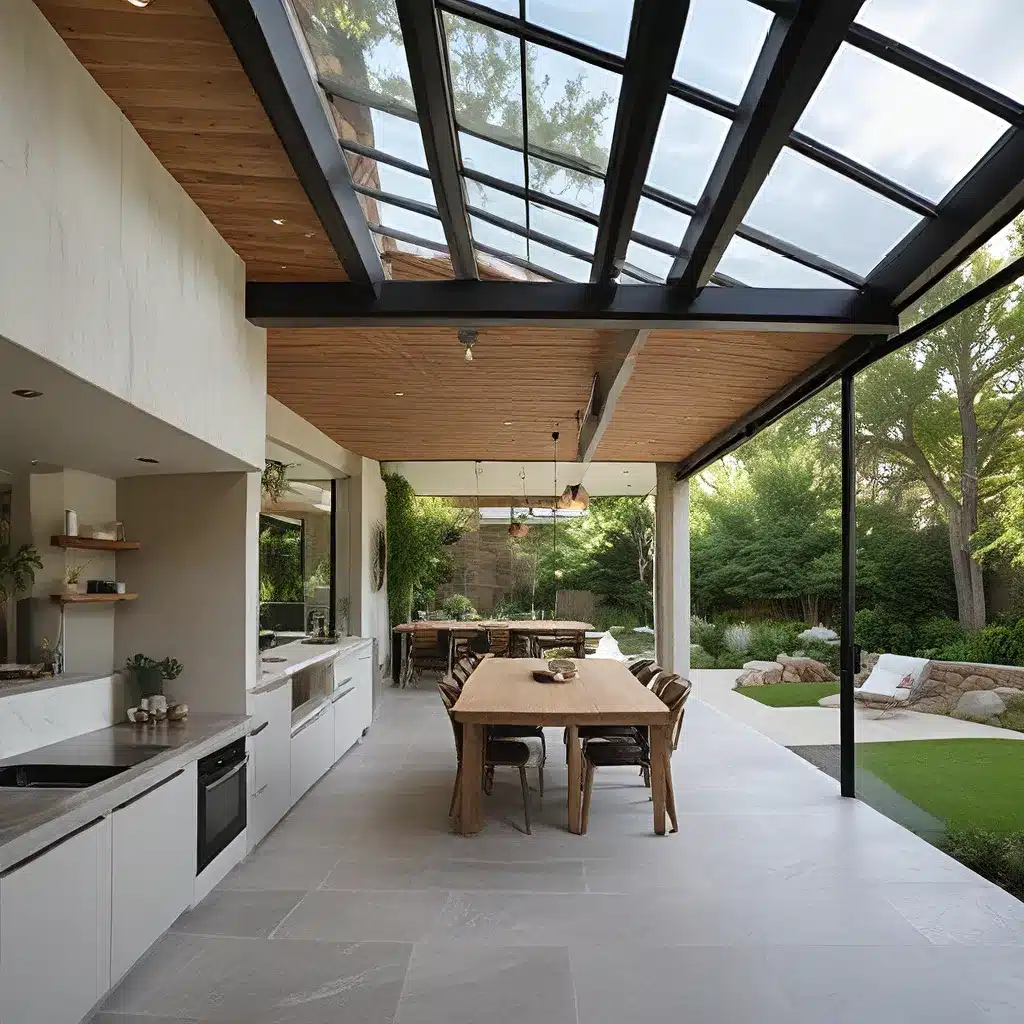
The transition from indoor to outdoor living is a harmonious dance that requires thoughtful architectural design. Achieving this synergy is paramount, as it creates a seamless flow that allows residents to move effortlessly between the two realms. Concepts like large windows that frame the beauty of nature, sliding doors that unify spaces, and open layouts that encourage a continuous flow all play a crucial role in bridging the gap between the indoors and the outdoors.
Terraces and Patios as Outdoor Extensions
Stepping outside, I’m always amazed by the way terraces and patios can serve as seamless extensions of our indoor living areas. These strategically designed outdoor spaces function as an integral part of the overall living experience, blurring the lines between the comfort of the home and the allure of the great outdoors. By harmonizing materials and color palettes, the transition between the two realms becomes even more fluid, creating a truly cohesive and captivating environment.
The Versatile Nature of Transitional Spaces
Transitional spaces, often referred to as indoor-outdoor spaces, have gained remarkable popularity in modern interior design. These versatile hubs offer an inviting escape for homeowners seeking a flexible environment that accommodates a wide range of activities, from unwinding with a book to hosting social gatherings. The seamless transition between roles is truly remarkable, making these spaces a testament to the evolving lifestyle needs of today.
The Relaxation Oasis
As someone who craves moments of tranquility, I’ve been particularly drawn to the way transitional spaces can function as relaxation oases. Carefully curated furniture, soft textures, and a connection to nature create an environment where one can unwind, meditate, or simply bask in the beauty of the surrounding landscape. It’s as if these spaces were designed to soothe the soul and recharge the mind, offering a respite from the demands of everyday life.
The Entertainment Hub
On the flip side, these transitional spaces can also effortlessly transform into entertainment hubs. With comfortable seating arrangements, outdoor sound systems, and ambient lighting, they set the stage for memorable outdoor movie nights, casual gatherings, and lively cocktail parties. It’s a seamless transition from quiet solitude to vibrant social experiences, all within the same captivating space.
The Dining Experience
And let’s not forget the culinary delights that these transitional spaces can accommodate. From indoor dining to al fresco feasts, these areas provide the ideal backdrop for family meals, romantic dinners, and celebratory gatherings. The fusion of delectable cuisine and the beauty of nature creates a truly enchanting dining experience that elevates the senses.
Accommodating All: Solitude and Socializing
One of the most remarkable aspects of transitional spaces is their ability to cater to both solitude seekers and social butterflies. Whether you crave a moment of solitude with your morning coffee or wish to celebrate with friends, these spaces seamlessly adapt to your varying moods and needs. It’s a harmonious dance, where the allure of the outdoors and the comfort of the indoors coexist, offering a truly versatile and captivating living experience.
The Material Connection
The allure of transitional spaces lies not only in their functional versatility but also in the seamless aesthetic blend of indoor and outdoor elements. This integration is achieved through the careful selection of materials that not only withstand the elements but also create a cohesive design language. From natural stone and weather-resistant woods to durable textiles, the material choices play a pivotal role in bridging the gap between the two realms.
Harmonizing Color Palettes
Continuing the theme of design cohesion, the importance of a harmonizing color palette cannot be overstated. Whether it’s matching outdoor furniture with interior upholstery or selecting outdoor rugs that mirror the indoor color schemes, a consistent palette enhances the seamless transition between the two spaces. It’s a subtle yet powerful way to create a sense of visual unity and aesthetic harmony.
Embracing Indoor Comfort Outdoors
The integration of transitional spaces also extends to the realm of indoor comfort. By incorporating elements like outdoor rugs, throw pillows, and cushions, we can transform these areas into inviting extensions of the interior. It’s as if we’re bringing the cozy cocoon of our homes out into the fresh air, blurring the boundaries and creating a truly immersive living experience.
The Essence of Design Continuity
At the heart of a successful transitional space lies the principle of design continuity. Maintaining a consistent design language, color palette, and style across both indoor and outdoor areas creates a seamless visual experience, guiding the eye effortlessly from one realm to the other. This cohesion is essential in ensuring that the transition feels natural and harmonious, rather than disjointed or jarring.
Harmonizing Furniture Styles
Furniture choices play a vital role in upholding design continuity. By opting for similar materials and silhouettes in both indoor and outdoor spaces, we can establish a sense of fluidity and coherence. For instance, using teak wood furniture indoors and outdoors maintains a cohesive aesthetic, seamlessly blending the two realms.
Thoughtful Decor Choices
Beyond furniture, the decor choices we make also contribute to the overarching design continuity. Incorporating similar decorative elements, such as planters, artwork, and textiles, in both indoor and outdoor spaces creates a visual rhythm that guides the eye and reinforces the connection between the two areas.
Blurring the Boundaries with Glass
One of the most effective ways to enhance design continuity is through the use of expansive glass windows and doors. Sliding or folding glass doors in particular create a seamless transition, allowing natural light to flood the interiors and providing uninterrupted views of the outdoors. This visual connection helps to blur the boundaries between the two realms, further strengthening the sense of harmony.
Embracing Natural Materials
Natural materials that are suitable for both indoor and outdoor use, such as stone, wood, and metal, are invaluable in maintaining design continuity. The consistent use of these elements across the transitional space creates a sense of coherence while simultaneously complementing the natural environment. It’s a harmonious blend that celebrates the inherent beauty of the outdoors while seamlessly integrating it into the indoor living experience.
The Evolution of Transitional Spaces
As technology continues to evolve, it finds its way into every aspect of our lives, including the design of transitional spaces. The introduction of modern technologies has revolutionized the way we experience and interact with these areas, making them more functional, comfortable, and enjoyable.
Retractable Screens: A Seamless Barrier
One of the technological advancements that has transformed transitional spaces is the retractable screen. These ingenious screens allow you to effortlessly enclose or open up the area, controlling airflow and maintaining a barrier against insects while still enjoying the outdoors. It’s a seamless solution that enhances the versatility and usability of these spaces.
Smart Lighting Solutions
Smart lighting systems have also made a significant impact on transitional spaces. These advanced systems offer the flexibility to adjust lighting levels based on the time of day and the desired ambiance, creating a seamless transition from day to night. This level of control and customization enhances the overall experience, ensuring that the space remains inviting and atmospheric throughout the day.
Climate Control Systems
Ensuring year-round comfort in transitional spaces is crucial, and climate control systems play a vital role in achieving this. Heating, cooling, and ventilation systems allow homeowners to maintain a comfortable environment, regardless of the weather conditions. This extended usability of outdoor spaces is a game-changer, enabling residents to fully embrace the joys of indoor-outdoor living.
Automated Louvered Roofs
Another innovative technology that has transformed transitional spaces is the automated louvered roof. These adjustable roofs provide homeowners with the ability to control sunlight and ventilation, adapting to the changing seasons and weather conditions. By allowing for seamless transitions from open-air to covered areas, these roofs enhance the versatility and year-round usability of transitional spaces.
Audio and Visual Integration
The integration of audio and visual technologies has also elevated the experience of transitional spaces. Outdoor speakers and weather-resistant screens enable homeowners to enjoy entertainment while seamlessly transitioning between indoor and outdoor living. This fusion of technology and design creates a truly immersive and captivating environment that caters to our modern lifestyle needs.
Collaborate with Experts
Embarking on the journey of creating transitional spaces that seamlessly connect the indoors and outdoors requires expertise. Collaborating with architects and interior designers ensures that the design aligns with your vision while considering structural and aesthetic aspects. These professionals bring valuable insights, helping you make informed decisions that result in a truly harmonious and functional transitional space.
Climate Considerations
The local climate plays a crucial role in the design of transitional spaces. In regions with varying weather conditions, it’s essential to choose materials and incorporate features that can withstand the elements while providing year-round comfort. Incorporating elements like retractable awnings, pergolas, or glass walls allows for adaptability, ensuring the space can be enjoyed throughout the seasons.
Fusion of Aesthetics
Achieving a harmonious fusion between indoor and outdoor aesthetics is paramount. Choosing design elements, colors, and textures that resonate with both environments is key to creating a seamless transition. Integrating natural materials like wood and stone not only enhances the connection but also adds warmth and authenticity to the overall design.
Flow and Functionality
When it comes to transitional spaces, flow and functionality are crucial considerations. Designing pathways that guide you effortlessly from indoors to outdoors is essential, ensuring the layout accommodates various activities, from lounging and dining to gardening and entertaining.
Incorporating Greenery
Greenery plays a pivotal role in blurring the boundaries between the indoors and outdoors. Introducing potted plants, hanging gardens, or vertical green walls infuses the transitional space with a refreshing natural vibe, enhancing the overall ambiance and creating a seamless connection to the outdoors.
Lighting Magic
Strategically placed lighting can transform transitional spaces, creating a magical atmosphere during different times of the day. Incorporating ambient, task, and accent lighting helps to illuminate pathways, highlight focal points, and set the stage for cozy evening gatherings, further enhancing the seamless integration of the indoor and outdoor realms.
As I reflect on the ever-evolving landscape of interior design, I’m truly inspired by the captivating trend of transitional spaces. These areas have the power to transform our living environments into seamless extensions of nature, offering a unique blend of comfort, aesthetics, and functionality. By understanding the principles of design continuity and harnessing the capabilities of modern technology, we can unlock the full potential of these remarkable spaces.
Whether you’re seeking a tranquil oasis, a vibrant entertainment hub, or a harmonious fusion of indoor and outdoor dining, transitional spaces have the versatility to cater to your every need. And as someone who values sustainable living, I’m particularly thrilled to see the synergy between this trend and eco-friendly design practices.
So, if you’re ready to embark on a journey that blurs the lines between the indoors and outdoors, I encourage you to explore the world of home extensions and conversions. With the guidance of skilled professionals and a keen eye for design, you can transform your living space into a captivating and harmonious realm that celebrates the best of both worlds.