Unlocking the Potential of Your Bathroom: Embracing UK Regulations and Sustainable Solutions
The bathroom is a sanctuary within the home, a space where we seek respite and rejuvenation. However, outdated or drab bathrooms can often feel like a burden, dampening the overall ambiance of your living space. In the UK, homeowners and builders alike must navigate a complex landscape of building regulations and sustainability guidelines when undertaking bathroom renovations.
This comprehensive guide will empower you to transform your bathroom from drab to fab, while ensuring compliance with the latest UK standards. We’ll delve into the regulatory framework, explore cost-effective DIY upgrades, and uncover sustainable building practices that will elevate your bathroom and add lasting value to your property.
Navigating the UK Building Regulations: Ensuring Safety and Compliance
When it comes to bathroom renovations, adhering to the UK’s robust building regulations is paramount. These guidelines, enforced by local authorities, are designed to safeguard homeowners, protect the environment, and maintain the structural integrity of your property. As you embark on your bathroom transformation, it’s crucial to familiarize yourself with the key regulations you must adhere to:
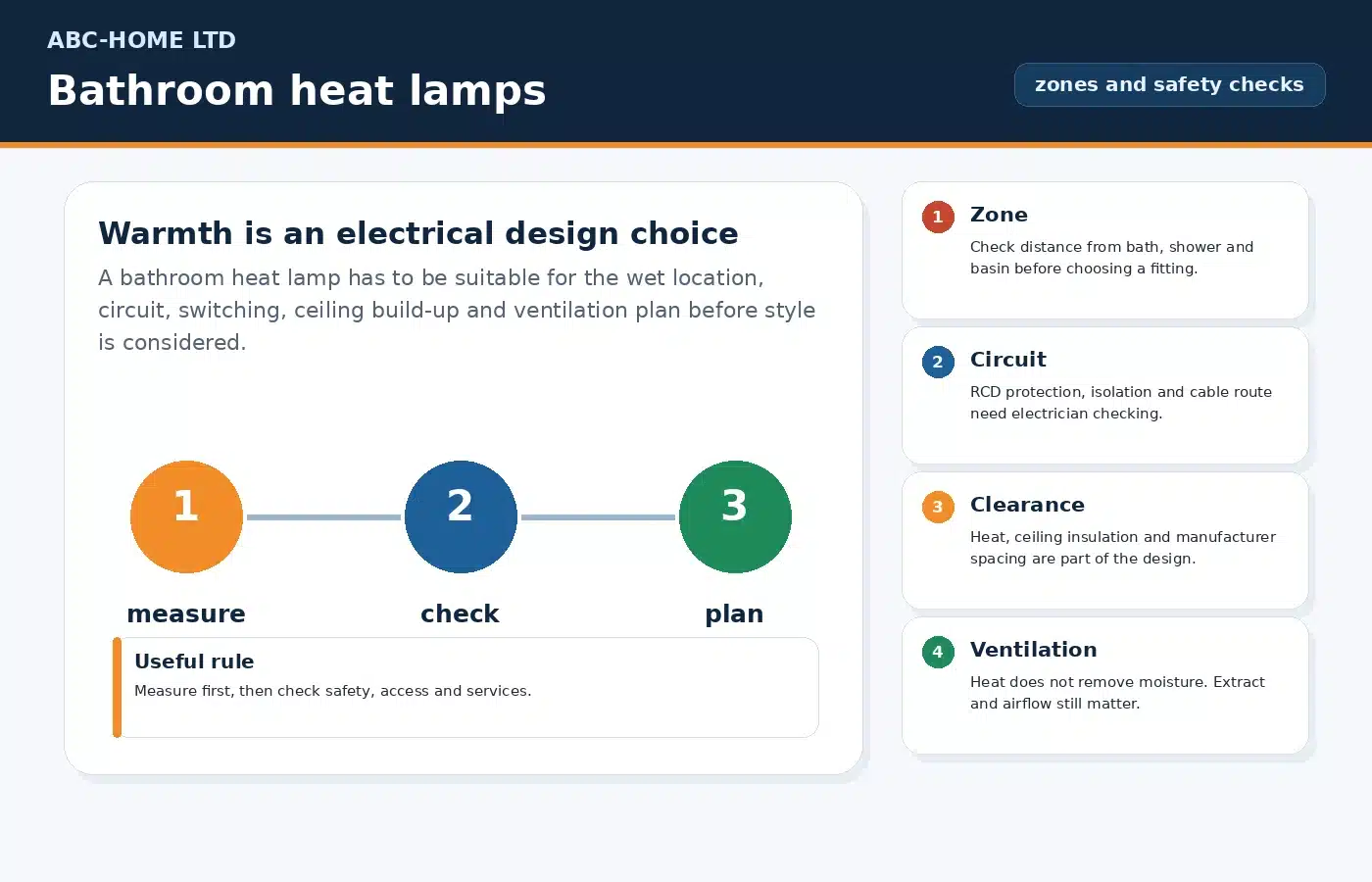
Electrical Work: Any electrical work, such as installing new lighting fixtures or updating wiring, must be carried out by a qualified electrician who is registered with the NICEIC (National Inspection Council for Electrical Installation Contracting) or a similar approved scheme. This ensures that the work meets the current BS 7671 wiring regulations.
Plumbing and Drainage: Plumbing modifications, including the installation of new sanitaryware, must comply with the Water Supply (Water Fittings) Regulations 1999 and the Building Regulations Part G. These regulations govern the design, installation, and maintenance of water-using appliances to prevent contamination and promote efficient water usage.
Ventilation: Adequate ventilation is essential in bathrooms to prevent the buildup of moisture, which can lead to mold growth and deterioration of building materials. The Building Regulations Part F stipulate the minimum ventilation requirements for bathrooms, which may involve installing mechanical extraction systems or ensuring sufficient natural ventilation.
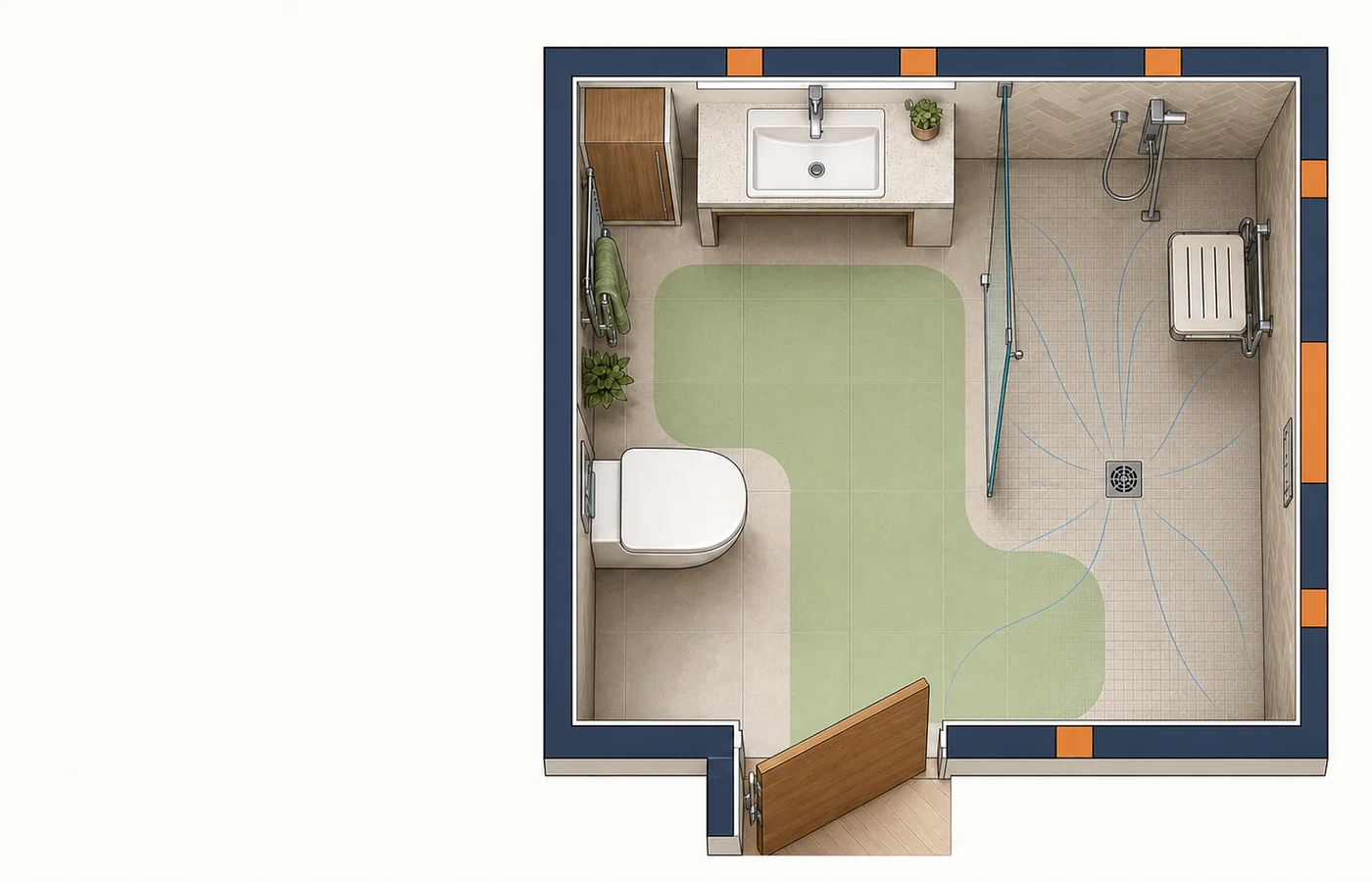
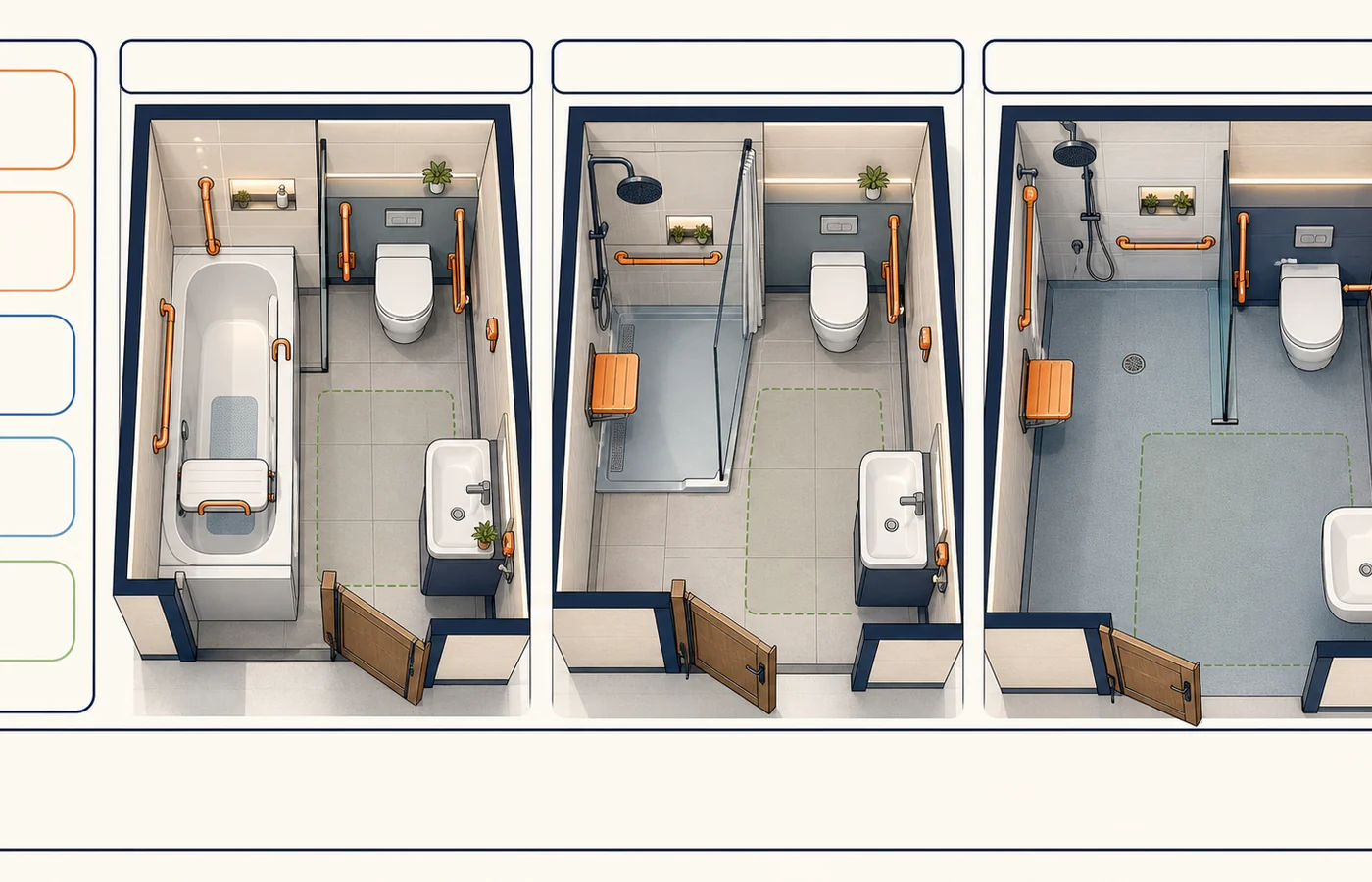
Accessibility and Safety: For bathrooms in new homes or significant renovations, the Building Regulations Part M (Access to and Use of Buildings) outlines accessibility requirements, such as providing sufficient maneuvering space and installing appropriate fixtures for individuals with disabilities.
Energy Efficiency: In line with the UK’s commitment to sustainability, the Building Regulations Part L (Conservation of Fuel and Power) sets guidelines for improving the energy efficiency of your bathroom. This may include the selection of energy-efficient lighting, water-saving fixtures, and insulation measures.
Navigating these regulations may seem daunting, but by working closely with qualified professionals and thoroughly researching the requirements, you can ensure that your bathroom renovation not only meets legal standards but also enhances the safety and long-term value of your property.
Budgeting for Bathroom Upgrades: Maximizing Cost-Effectiveness
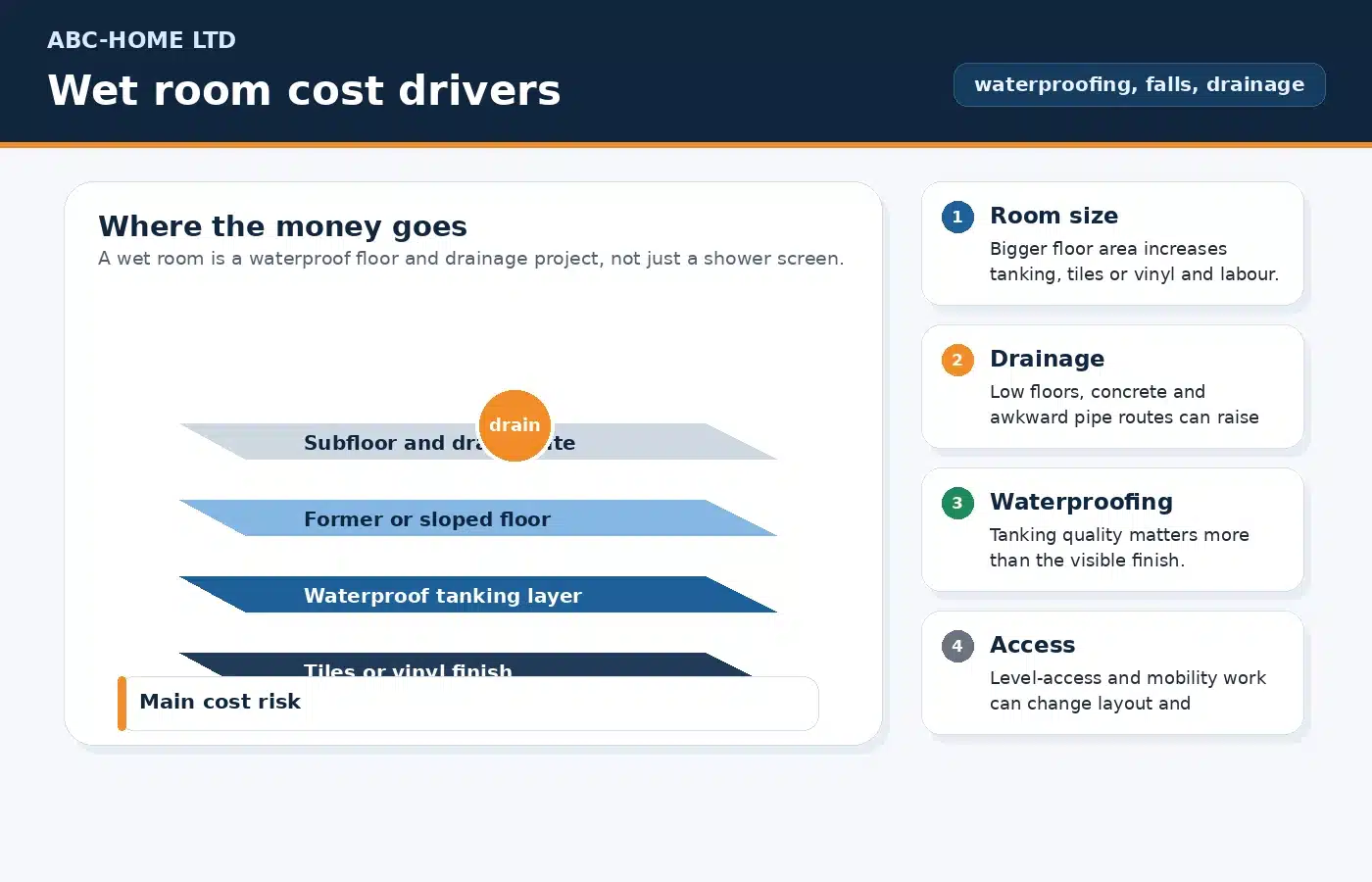
One of the primary concerns for homeowners embarking on a bathroom renovation is the associated cost. However, with careful planning and a strategic approach, you can achieve a stunning bathroom transformation without breaking the bank. Let’s explore some cost-effective strategies to consider:
DIY Opportunities
For homeowners with a DIY inclination, there are numerous opportunities to tackle specific tasks and save on labor costs. Activities such as painting, tiling, and even installing basic fixtures can be undertaken with the right tools and a bit of research. By focusing your professional expertise on more complex tasks, you can significantly reduce the overall project expenses.
Leveraging Salvaged and Repurposed Materials
Explore local salvage yards, second-hand stores, or online marketplaces for gently used building materials and fixtures. From vintage vanities to unique tile patterns, repurposing can infuse your bathroom with character while cutting costs. Just be sure to thoroughly inspect any salvaged items to ensure they are compatible with your project and meet the necessary safety standards.
Prioritizing Cost-Effective Upgrades
When budgeting for your bathroom renovation, prioritize the most impactful and cost-effective upgrades. For example, a fresh coat of paint, new faucets, and a deep clean can often transform the overall look and feel of the space without major structural changes. Additionally, consider investing in energy-efficient fixtures and appliances, as these can provide long-term savings on utility bills.
Exploring Financing Options
Depending on the scale of your bathroom renovation, you may want to explore financing options such as personal loans, home equity lines of credit, or specialized renovation loans. These can help spread the cost over a manageable timeline, making the project more financially feasible. Be sure to research the terms and interest rates carefully to find the most suitable solution for your needs.
By carefully balancing your budget, leveraging DIY opportunities, and prioritizing cost-effective upgrades, you can achieve a beautiful and functional bathroom that aligns with your financial constraints.
Embracing Sustainable Bathroom Design: Reducing Environmental Impact
As the UK continues its journey towards a greener future, the importance of sustainable building practices has never been more paramount. When planning your bathroom renovation, consider incorporating eco-friendly solutions that not only reduce your environmental footprint but also offer long-term cost savings.
Water-Efficient Fixtures
One of the most impactful areas to focus on is the selection of water-efficient fixtures. Look for taps, showerheads, and toilets that carry the Water Efficiency Label, indicating compliance with the UK’s water conservation standards. These high-performance fixtures can dramatically reduce your water usage, leading to lower utility bills and a more sustainable household.
Energy-Efficient Lighting
Upgrading to LED lighting in your bathroom can significantly improve energy efficiency, cutting down on your electricity consumption and carbon footprint. LED bulbs not only use a fraction of the energy of traditional incandescent or halogen bulbs but also have a much longer lifespan, reducing the need for frequent replacements.
Sustainable Material Choices
When selecting materials for your bathroom renovation, prioritize options that are environmentally friendly and ethically sourced. This may include tiles made from recycled content, bamboo or cork flooring, and cabinetry constructed from sustainably harvested wood. These choices not only reduce the environmental impact but also contribute to the overall aesthetic and long-term durability of your bathroom.
Ventilation and Moisture Management
Proper ventilation is crucial for maintaining a healthy, mold-free bathroom environment. Consider installing an energy-efficient mechanical extraction system or ensuring adequate natural ventilation to promote air circulation and manage moisture levels. This not only protects the structural integrity of your bathroom but also contributes to improved indoor air quality.
Water Recycling and Conservation
Explore innovative solutions such as greywater systems or rainwater harvesting to recycle water used in your bathroom. These systems can divert water from sinks, showers, or washing machines for use in toilet flushing or garden irrigation, reducing your overall water consumption and utility costs.
By embracing sustainable design principles, you can create a bathroom that not only looks and functions beautifully but also aligns with the UK’s commitment to environmental responsibility. This holistic approach not only benefits the planet but also adds long-term value to your property.
Transforming Your Bathroom: Step-by-Step DIY Upgrades
Now that we’ve covered the regulatory and sustainable considerations, let’s dive into the practical steps you can take to transform your bathroom through cost-effective DIY upgrades. These projects can breathe new life into your space without the need for extensive structural work or major renovations.
Refreshing the Walls and Surfaces
Painting: A fresh coat of paint can instantly uplift the ambiance of your bathroom. Choose a high-quality, moisture-resistant paint formulated for bathroom environments. Consider light, neutral tones to create a sense of openness and cleanliness.
Tiling: If your existing tiles are in good condition but lack the desired aesthetic, consider retiling the walls or floor. Opt for larger format tiles or a herringbone pattern to create a modern, elegant look. For a more budget-friendly option, use tile stickers or decorative panels to transform the surface.
Paneling: Incorporating decorative wall paneling, such as shiplap or beadboard, can add depth and character to your bathroom. These panels can be easily installed over existing drywall or tiles, providing a cost-effective way to update the visual appeal.
Upgrading Fixtures and Fittings
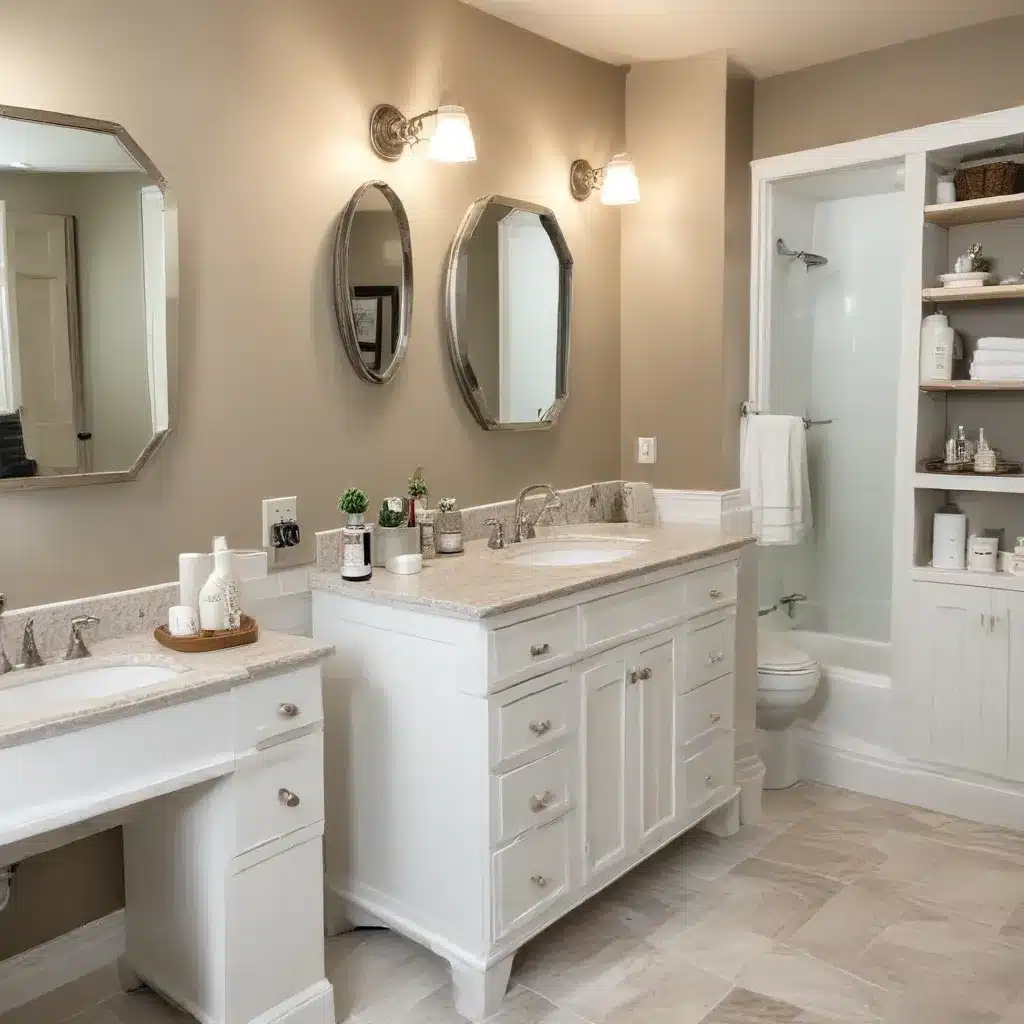
Vanity and Countertop: Replacing an outdated vanity with a modern, streamlined design can significantly enhance the overall look of your bathroom. Consider a floating or wall-mounted vanity to create the illusion of more space. For the countertop, explore options like quartz or solid surface materials for a durable and easy-to-maintain surface.
Taps and Showerhead: Swapping out old, worn-out taps and showerheads with sleek, water-efficient alternatives can instantly modernize your bathroom. Look for options with a high-quality finish, such as brushed nickel or matte black, to complement your chosen aesthetic.
Lighting: Improve the ambiance and functionality of your bathroom by upgrading the lighting fixtures. Install dimmable LED downlights or sconces to create a spa-like atmosphere, and consider adding a statement pendant or chandelier over the vanity for a touch of elegance.
Optimizing Storage and Organization
Cabinetry and Shelving: Incorporating additional storage solutions, such as built-in cabinets, floating shelves, or recessed niches, can help declutter your bathroom and create a more organized and visually appealing space.
Mirrored Cabinets: Replacing a basic mirror with a mirrored cabinet can provide both storage and visual interest. These units often feature built-in lighting and can be customized to fit your bathroom’s dimensions.
Accessory Organizers: Utilize wall-mounted organizers, such as towel bars, toilet paper holders, and robe hooks, to keep your bathroom essentials neatly arranged and easily accessible.
By tackling these DIY upgrades, you can transform your bathroom into a visually stunning and functional space, all while ensuring compliance with UK building regulations and embracing sustainable design principles.
Conclusion: Unlocking the Full Potential of Your Bathroom
Embarking on a bathroom renovation project in the UK can seem daunting, but by understanding the regulatory framework, embracing cost-effective solutions, and incorporating sustainable design elements, you can create a bathroom that not only meets your aesthetic and functional needs but also adds long-term value to your property.
Remember, the key to a successful bathroom transformation lies in careful planning, attention to detail, and a willingness to explore creative DIY opportunities. By navigating the UK’s building regulations and prioritizing sustainable practices, you can unlock the full potential of your bathroom, transforming it from a drab, outdated space into a beautiful, functional, and eco-friendly sanctuary within your home.
To learn more about how you can revitalize your bathroom and explore other home improvement projects, visit our website at https://abc-home.co.uk/. Our team of experts is dedicated to providing homeowners in the UK with the resources, guidance, and inspiration they need to turn their home improvement dreams into reality.