Maximizing Every Inch in the Bathroom
When it comes to bathroom design and renovation in the UK, one of the biggest challenges homeowners face is managing limited space, particularly in compact or en-suite bathrooms. Effective storage solutions are crucial for keeping these small sanctuaries organized, functional, and visually appealing. In this comprehensive guide, we’ll explore creative strategies and current best practices for optimizing storage in tiny bathrooms, while ensuring full compliance with UK building regulations and a keen eye on cost-effective, sustainable approaches.
Navigating the UK’s Regulatory Landscape
In the UK, all bathroom renovations and new construction must adhere to stringent building regulations set forth by organizations like the Ministry of Housing, Communities & Local Government. These guidelines cover everything from plumbing and electrical work to ventilation and accessibility requirements. Before undertaking any storage-focused bathroom project, it’s essential to familiarize oneself with the relevant regulations to ensure the safety and legality of the finished space.
One of the key considerations is the Approved Document G: Sanitation, hot water safety and water efficiency, which outlines standards for sanitary appliances, water supply, and drainage. This includes stipulations on things like minimum clearances around fixtures, waste pipe sizes, and accessibility provisions. Homeowners must also be mindful of Approved Document M: Access to and use of buildings, which addresses inclusive design for users with disabilities.
Additionally, the Approved Document F: Ventilation lays out requirements for proper air circulation and moisture control in bathrooms to prevent issues like mold and damp. Proper ventilation is especially crucial in small spaces where steam and humidity can quickly accumulate. Meeting these ventilation standards may involve installing appropriate extractor fans or ensuring adequate natural airflow.
By staying up-to-date on the latest UK building regulations, homeowners can confidently pursue storage solutions that not only maximize their limited square footage but also safeguard the health, safety, and accessibility of their bathroom environment.
Optimizing Vertical Space
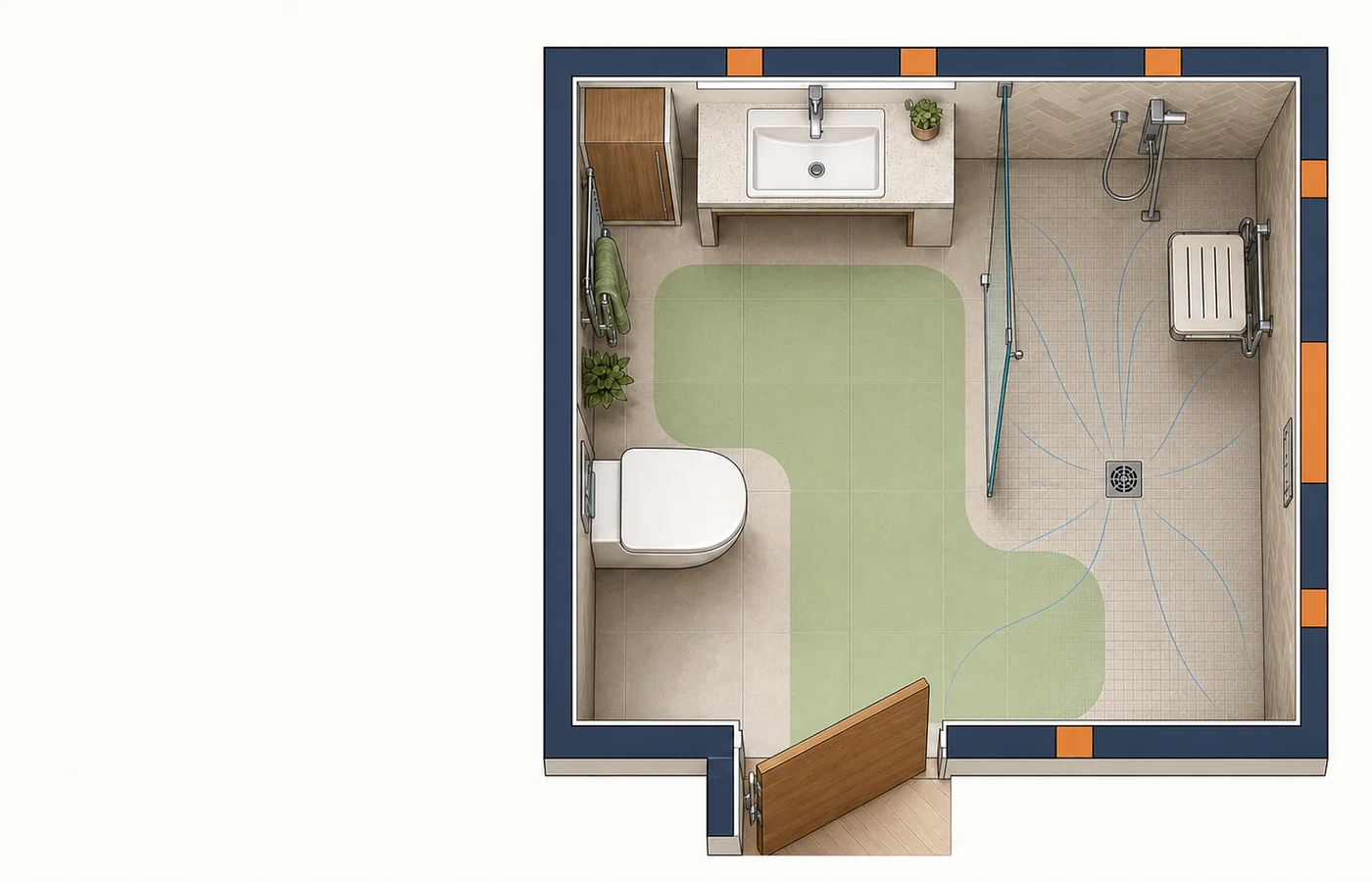
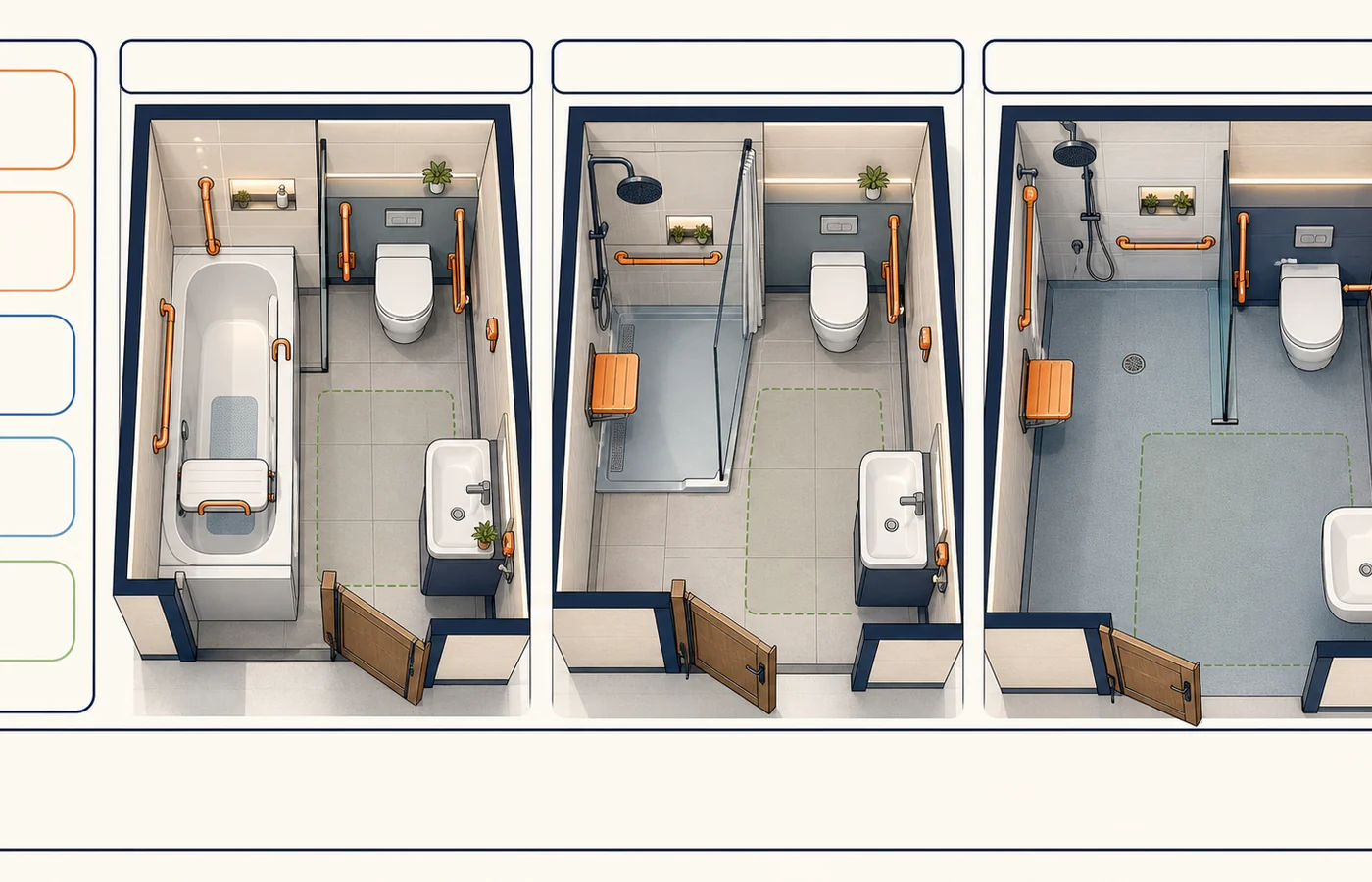
In compact bathrooms where floor space is at a premium, savvy homeowners turn their attention skyward, utilizing vertical surfaces to their full advantage. Wall-mounted storage solutions, such as floating shelves, recessed niches, and mirrored medicine cabinets, can provide ample space for housing toiletries, linens, and decorative accents without encroaching on the limited floor plan.
When selecting wall-mounted storage, it’s important to ensure proper installation and weight-bearing capacity to comply with UK building regulations. Cabinetry and shelving must be securely fastened to the wall, with consideration given to the type of wall construction (e.g., masonry, stud framing) and any concealed utilities. Homeowners should also be mindful of accessibility standards, positioning frequently used items within easy reach.
One innovative approach gaining popularity in the UK is the incorporation of built-in shelving and cabinetry that extends from floor to ceiling. This maximizes vertical storage while creating a seamless, integrated look that can visually expand the perceived size of the bathroom. To achieve this, homeowners may need to consult with a professional contractor or joiner to design and install custom storage solutions that blend harmoniously with the room’s architecture.
Multifunctional Furniture and Fixtures
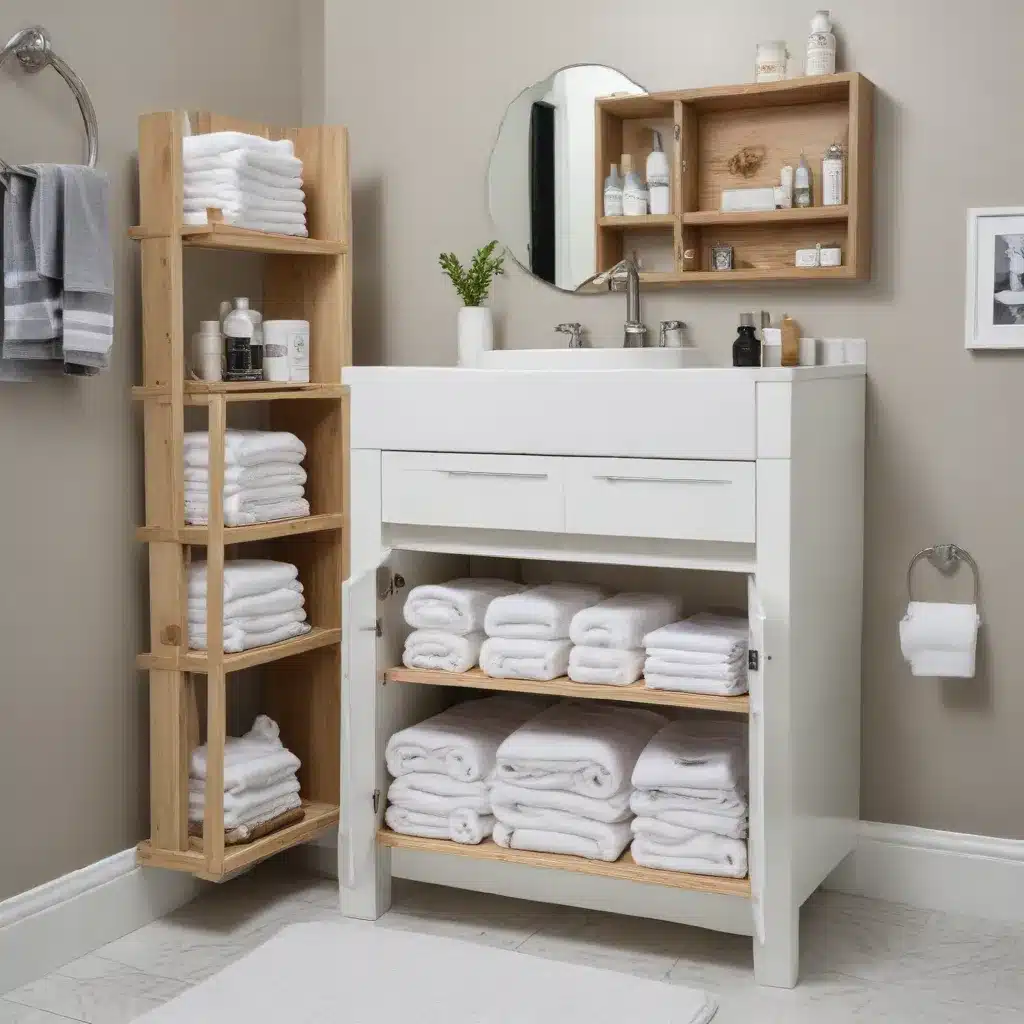
In the quest for efficient bathroom storage, UK homeowners are increasingly turning to furniture and fixtures that serve dual purposes. For example, a vanity unit with integrated drawers or shelves can provide valuable concealed storage while also serving as a functional surface for sinks and countertop essentials. Similarly, a recessed medicine cabinet with mirrored doors offers the convenience of a mirror alongside hidden storage for toiletries and first-aid items.
Freestanding furniture pieces, such as armoires, cabinets, or even repurposed vintage pieces, can also be strategically placed to maximize storage in compact bathrooms. These mobile units can be easily maneuvered to fit awkward nooks and crannies, offering customizable solutions for specific storage needs. When selecting such furnishings, it’s crucial to ensure they meet UK building regulations for safety, stability, and accessibility.
Another clever storage hack gaining traction in the UK is the utilization of bathroom fixtures themselves. Vanity units with open shelving beneath the sink, for instance, can house cleaning supplies, extra toilet paper, and other infrequently used items. Wall-mounted towel bars and racks can also double as storage for folded linens, creating a cohesive, space-saving design.
Embracing Innovative Storage Accessories
Beyond built-in cabinetry and furniture, UK homeowners are increasingly incorporating specialized storage accessories to optimize their small bathrooms. These include items like:
- Hanging organizers: Suspended from the shower head or mounted on the wall, these versatile units can corral shampoo, conditioner, and other shower essentials, freeing up valuable counter space.
- Under-sink storage: Tiered organizers, slide-out drawers, and even custom-fit cabinetry can transform the often-underutilized space beneath the vanity sink.
- Over-the-toilet storage: Shelving units, cabinet towers, or even ladders positioned above the toilet can provide ample storage for linens, cleaning supplies, and decorative accents.
- Magnetic strips and adhesive hooks: These simple, space-saving solutions can be used to neatly organize small items like hairpins, tweezers, and nail clippers on the inside of cabinet doors or walls.
When incorporating these storage accessories, it’s essential to ensure they are properly secured and don’t interfere with accessibility or ventilation requirements outlined in UK building regulations. Homeowners should also consider the overall aesthetic and ensure these additions complement the bathroom’s design scheme.
Sustainable and Cost-Effective Strategies
As homeowners in the UK seek to optimize their small bathrooms, they are increasingly mindful of the need for sustainable and cost-effective storage solutions. One approach is to repurpose existing furniture or household items, breathing new life into them through creative upcycling. For example, a vintage dresser or shelving unit can be transformed into a vanity with customized storage, or a ladder can be repurposed as a towel rack.
Additionally, UK residents are embracing the use of natural, renewable materials like wicker, rattan, and bamboo for storage baskets, shelves, and other accessories. Not only do these materials add warmth and texture to the space, but they also align with the growing emphasis on eco-friendly design in the UK. Homeowners can further enhance the sustainability of their bathroom by selecting storage solutions made from recycled or recyclable materials.
When it comes to cost-effectiveness, UK homeowners are exploring budget-friendly DIY projects and creative upcycling to achieve their storage goals. From sewing simple fabric bins to mounting salvaged wooden shelves, these homemade solutions can provide significant cost savings while aligning with personal style preferences.
By prioritizing sustainable and cost-conscious approaches, UK homeowners can create functional, clutter-free bathrooms that not only meet their storage needs but also reflect their values and contribute to a more environmentally conscious built environment.
Conclusion
In the face of limited square footage, UK homeowners are rising to the challenge of optimizing storage in their compact bathrooms. Through a combination of strategic planning, innovative furniture and fixtures, and sustainable, cost-effective strategies, they are transforming these small sanctuaries into organized, functional, and visually appealing spaces.
By staying attuned to the latest UK building regulations and best practices, homeowners can confidently pursue storage solutions that enhance their bathrooms while ensuring compliance with safety, accessibility, and environmental standards. Whether it’s maximizing vertical space, embracing multifunctional furnishings, or incorporating specialized storage accessories, the possibilities for optimizing small bathroom storage are endless.
As the UK continues to evolve in its approach to sustainable and efficient home design, the lessons learned in these compact bathroom renovations will undoubtedly inform and inspire future projects across the country. By sharing these insights and strategies, https://abc-home.co.uk/ aims to empower homeowners and professionals alike to create beautiful, well-organized bathrooms that cater to the unique needs and preferences of modern UK living.
Maximizing Vertical Storage
In small bathrooms where square footage is limited, homeowners in the UK are turning their attention to vertical storage solutions to maximize every inch of available space. Wall-mounted cabinets, shelves, and recessed niches can provide ample storage for toiletries, linens, and decorative accents without encroaching on the limited floor plan.
When selecting wall-mounted storage options, it’s crucial to ensure compliance with UK building regulations. Cabinetry and shelving must be securely fastened to the wall, taking into account the type of wall construction (e.g., masonry, stud framing) and any concealed utilities. Homeowners should also be mindful of accessibility standards, positioning frequently used items within easy reach.
One innovative approach gaining popularity in the UK is the incorporation of built-in shelving and cabinetry that extends from floor to ceiling. This maximizes vertical storage while creating a seamless, integrated look that can visually expand the perceived size of the bathroom. To achieve this, homeowners may need to consult with a professional contractor or joiner to design and install custom storage solutions that blend harmoniously with the room’s architecture.
Multifunctional Furniture and Fixtures
In the quest for efficient bathroom storage, UK homeowners are increasingly turning to furniture and fixtures that serve dual purposes. Vanity units with integrated drawers or shelves, for instance, can provide valuable concealed storage while also serving as a functional surface for sinks and countertop essentials. Similarly, a recessed medicine cabinet with mirrored doors offers the convenience of a mirror alongside hidden storage for toiletries and first-aid items.
Freestanding furniture pieces, such as armoires, cabinets, or even repurposed vintage items, can also be strategically placed to maximize storage in compact bathrooms. These mobile units can be easily maneuvered to fit awkward nooks and crannies, offering customizable solutions for specific storage needs. When selecting such furnishings, it’s crucial to ensure they meet UK building regulations for safety, stability, and accessibility.
Another clever storage hack gaining traction in the UK is the utilization of bathroom fixtures themselves. Vanity units with open shelving beneath the sink can house cleaning supplies, extra toilet paper, and other infrequently used items. Wall-mounted towel bars and racks can also double as storage for folded linens, creating a cohesive, space-saving design.
Innovative Storage Accessories
Beyond built-in cabinetry and furniture, UK homeowners are increasingly incorporating specialized storage accessories to optimize their small bathrooms. These include items like hanging organizers, under-sink storage solutions, over-the-toilet shelving units, and magnetic strips or adhesive hooks for organizing small items.
When incorporating these storage accessories, it’s essential to ensure they are properly secured and don’t interfere with accessibility or ventilation requirements outlined in UK building regulations. Homeowners should also consider the overall aesthetic and ensure these additions complement the bathroom’s design scheme.
Sustainable and Cost-Effective Strategies
As homeowners in the UK seek to optimize their small bathrooms, they are increasingly mindful of the need for sustainable and cost-effective storage solutions. One approach is to repurpose existing furniture or household items, breathing new life into them through creative upcycling. Vintage dressers, shelving units, or even ladders can be transformed into functional, customized storage units.
Additionally, UK residents are embracing the use of natural, renewable materials like wicker, rattan, and bamboo for storage baskets, shelves, and other accessories. These materials not only add warmth and texture to the space but also align with the growing emphasis on eco-friendly design in the UK. Homeowners can further enhance the sustainability of their bathroom by selecting storage solutions made from recycled or recyclable materials.
When it comes to cost-effectiveness, UK homeowners are exploring budget-friendly DIY projects and creative upcycling to achieve their storage goals. From sewing simple fabric bins to mounting salvaged wooden shelves, these homemade solutions can provide significant cost savings while aligning with personal style preferences.
By prioritizing sustainable and cost-conscious approaches, UK homeowners can create functional, clutter-free bathrooms that not only meet their storage needs but also reflect their values and contribute to a more environmentally conscious built environment.
Navigating UK Building Regulations
In the UK, all bathroom renovations and new construction must adhere to stringent building regulations set forth by organizations like the Ministry of Housing, Communities & Local Government. These guidelines cover everything from plumbing and electrical work to ventilation and accessibility requirements. Before undertaking any storage-focused bathroom project, it’s essential for homeowners to familiarize themselves with the relevant regulations to ensure the safety and legality of the finished space.
One of the key considerations is the Approved Document G: Sanitation, hot water safety and water efficiency, which outlines standards for sanitary appliances, water supply, and drainage. This includes stipulations on things like minimum clearances around fixtures, waste pipe sizes, and accessibility provisions. Homeowners must also be mindful of Approved Document M: Access to and use of buildings, which addresses inclusive design for users with disabilities.
Additionally, the Approved Document F: Ventilation lays out requirements for proper air circulation and moisture control in bathrooms to prevent issues like mold and damp. Proper ventilation is especially crucial in small spaces where steam and humidity can quickly accumulate. Meeting these ventilation standards may involve installing appropriate extractor fans or ensuring adequate natural airflow.
By staying up-to-date on the latest UK building regulations, homeowners can confidently pursue storage solutions that not only maximize their limited square footage but also safeguard the health, safety, and accessibility of their bathroom environment.
Conclusion
In the face of limited square footage, UK homeowners are rising to the challenge of optimizing storage in their compact bathrooms. Through a combination of strategic planning, innovative furniture and fixtures, and sustainable, cost-effective strategies, they are transforming these small sanctuaries into organized, functional, and visually appealing spaces.
By staying attuned to the latest UK building regulations and best practices, homeowners can confidently pursue storage solutions that enhance their bathrooms while ensuring compliance with safety, accessibility, and environmental standards. Whether it’s maximizing vertical space, embracing multifunctional furnishings, or incorporating specialized storage accessories, the possibilities for optimizing small bathroom storage are endless.
As the UK continues to evolve in its approach to sustainable and efficient home design, the lessons learned in these compact bathroom renovations will undoubtedly inform and inspire future projects across the country. By sharing these insights and strategies, https://abc-home.co.uk/ aims to empower homeowners and professionals alike to create beautiful, well-organized bathrooms that cater to the unique needs and preferences of modern UK living.