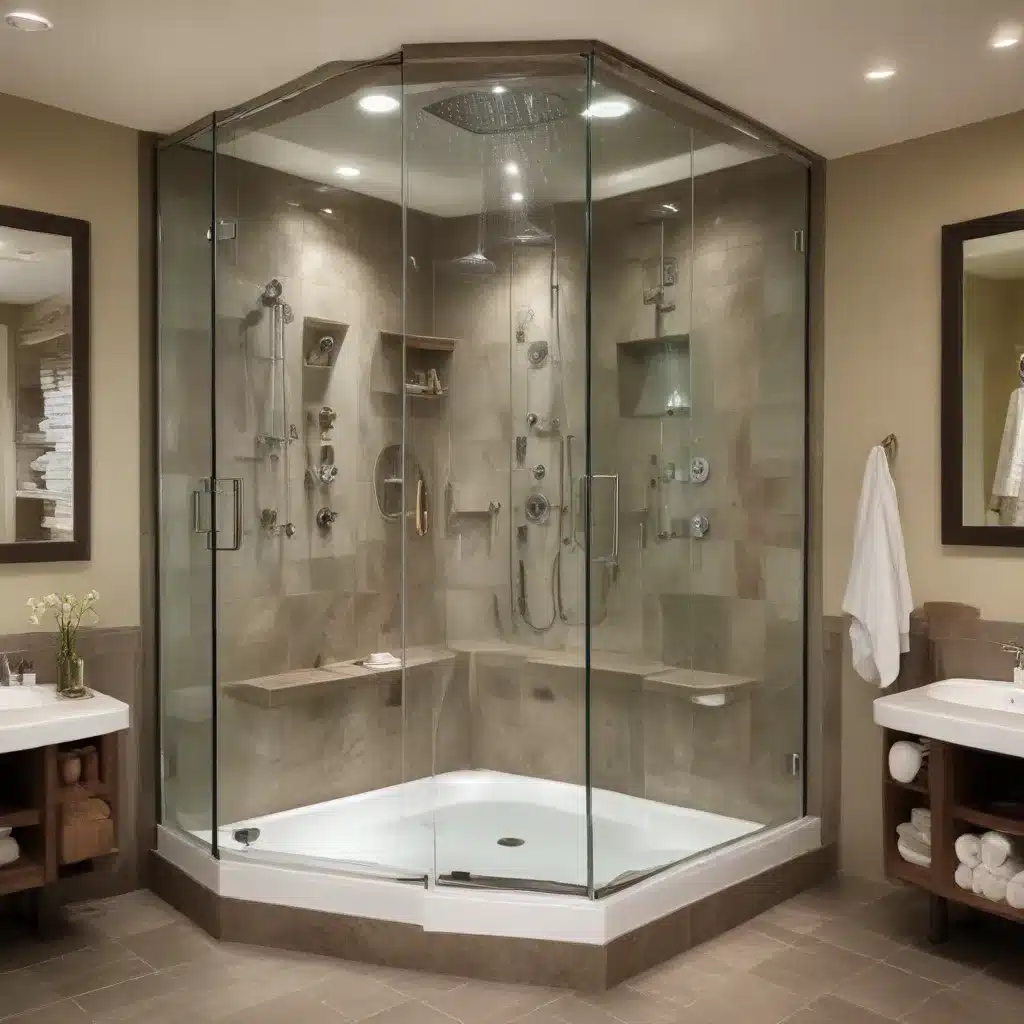
The Rise of Luxury Bathing Experiences
As a home construction specialist with over two decades of experience, I’ve witnessed firsthand the evolution of bathroom designs. One trend that has gained significant traction in recent years is the integration of spa-quality steam showers into residential bathrooms. This shift reflects a growing desire among homeowners to create personal sanctuaries within their homes, spaces where they can unwind and rejuvenate after long days.
The appeal of steam showers extends beyond mere luxury. These installations offer a range of health benefits, from improved circulation to respiratory relief. What’s more, they add a touch of opulence to any bathroom, potentially increasing a home’s value. As someone who has overseen numerous bathroom renovations, I can attest to the transformative power of a well-designed steam shower.
However, incorporating a steam shower into a home bathroom isn’t as simple as installing a new showerhead. It requires careful planning, expert execution, and a solid understanding of the technology involved. In this article, I’ll share my insights on how to bring the spa experience home, covering everything from initial considerations to maintenance tips.
Understanding Steam Shower Technology
At its core, a steam shower is a type of bathing where a humidifying steam generator produces water vapor that is dispersed around a person’s body. Unlike traditional showers, which rely solely on water pressure, steam showers create a warm, moist environment that envelops the bather.
The key component of any steam shower is the steam generator. This device heats water to its boiling point, creating steam that’s then released into the enclosed shower space. Most modern steam generators are compact units that can be installed out of sight, such as in a bathroom cabinet or even in an adjacent room.
Another crucial element is the control panel. This allows users to adjust temperature, duration, and sometimes even add aromatherapy elements to their steam session. In my experience, digital control panels with user-friendly interfaces tend to be the most popular among homeowners.
It’s worth noting that steam showers require proper sealing to contain the steam effectively. This often means using specialized doors and ensuring that all gaps are properly caulked. As someone who’s installed dozens of these systems, I can’t stress enough the importance of proper sealing – it’s essential for both the functionality of the shower and the protection of your bathroom from excess moisture.
Planning Your Steam Shower Installation
Before you start tearing out tiles and ordering equipment, there are several factors to consider when planning a steam shower installation. First and foremost is space. Steam showers typically require a fully enclosed space to function effectively. In my professional opinion, the ideal size for a steam shower is around 3 feet by 4 feet, though larger spaces can certainly work with the right setup.
Next, you’ll need to think about ventilation. While steam showers are designed to contain moisture, it’s still crucial to have proper ventilation in your bathroom to prevent mold and mildew growth. I always recommend installing a good quality exhaust fan, preferably one with a humidity sensor that can automatically turn on when needed.
Water supply is another key consideration. Steam generators require a dedicated cold water line, and you’ll need to ensure your home’s plumbing can support this additional demand. In some cases, you might need to upgrade your water heater or install a separate unit for the steam shower.
Electrical requirements are equally important. Steam generators typically require a 220-volt electrical supply, which may necessitate additional wiring work. This is definitely not a DIY job – you’ll want a licensed electrician to handle this part of the installation.
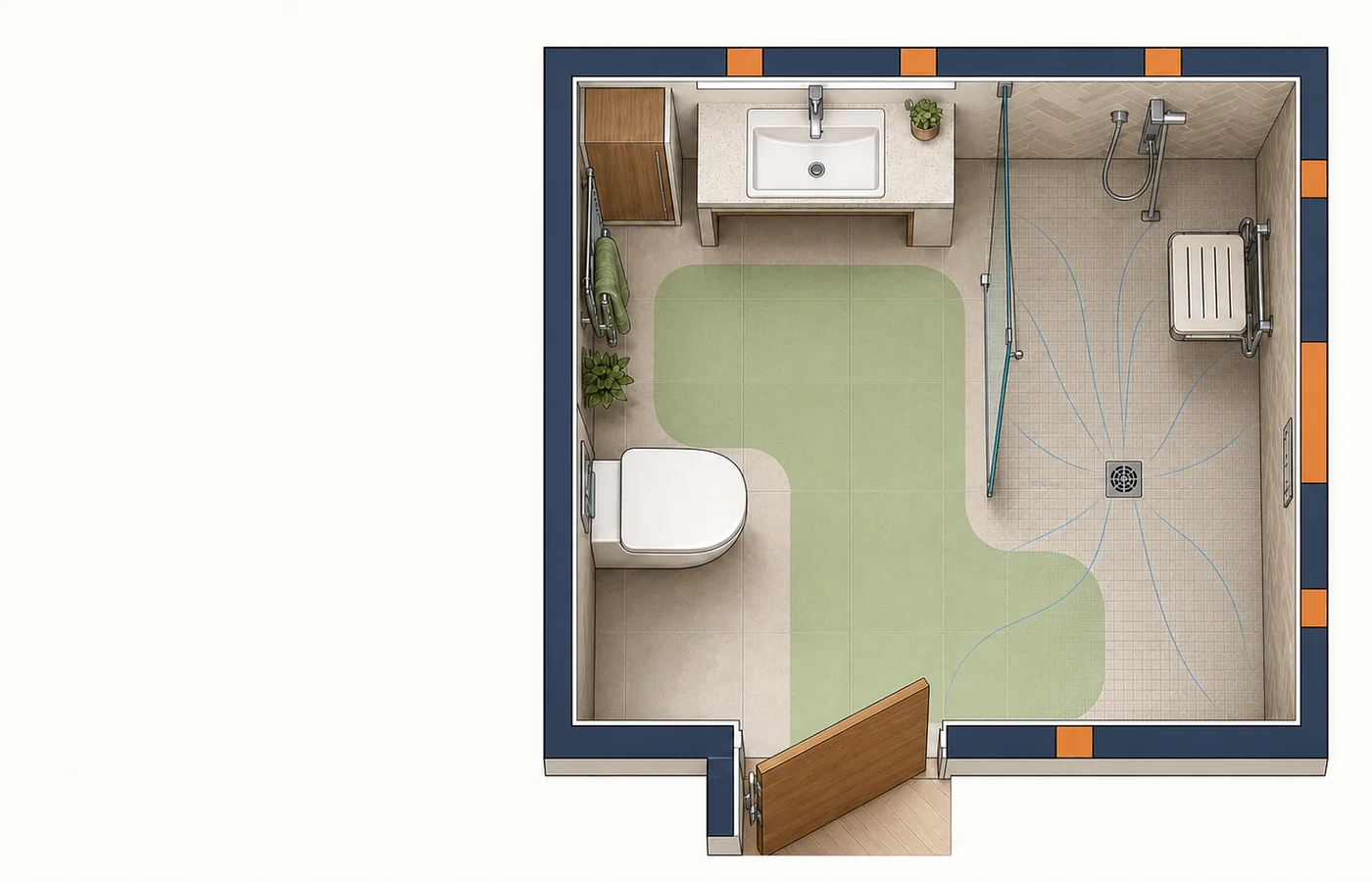
Lastly, don’t forget about drainage. While steam showers don’t use as much water as traditional showers, they still need proper drainage. In my experience, a slightly sloped floor leading to a central drain works best for steam showers.
Choosing the Right Materials
When it comes to materials for your steam shower, not all options are created equal. The high heat and humidity generated by steam showers can take a toll on certain materials, leading to premature wear and tear or even mold growth.
For the walls and ceiling, I typically recommend non-porous materials like porcelain or glass tiles. These are resistant to moisture and easy to clean. Natural stone can also work, but it needs to be properly sealed to prevent water absorption.
The floor of your steam shower requires special attention. It needs to be slip-resistant for safety, but also easy to clean. Textured porcelain tiles or small mosaic tiles with lots of grout lines can provide good traction. I’ve had great success with pebble-style tiles, which not only offer excellent slip resistance but also provide a spa-like feel underfoot.
For the shower door, tempered glass is the way to go. It’s strong, safe, and can withstand the heat of the steam. Make sure to choose a door with a tight seal to keep the steam contained.
When it comes to fixtures, opt for high-quality, corrosion-resistant materials like stainless steel or brushed nickel. These will stand up better to the constant moisture and heat of a steam shower.
The Installation Process
Installing a steam shower is a complex process that typically takes several days to complete. Here’s a general overview of the steps involved:
-
Preparation: This involves removing existing fixtures and preparing the space. If you’re converting a standard shower to a steam shower, you might need to modify the space to ensure it’s fully enclosed.
-
Plumbing: Next, we install the necessary plumbing for the steam generator and any additional features like body sprays or rainfall showerheads.
-
Electrical work: This is where we install the wiring for the steam generator and control panel. As mentioned earlier, this should always be done by a licensed electrician.
-
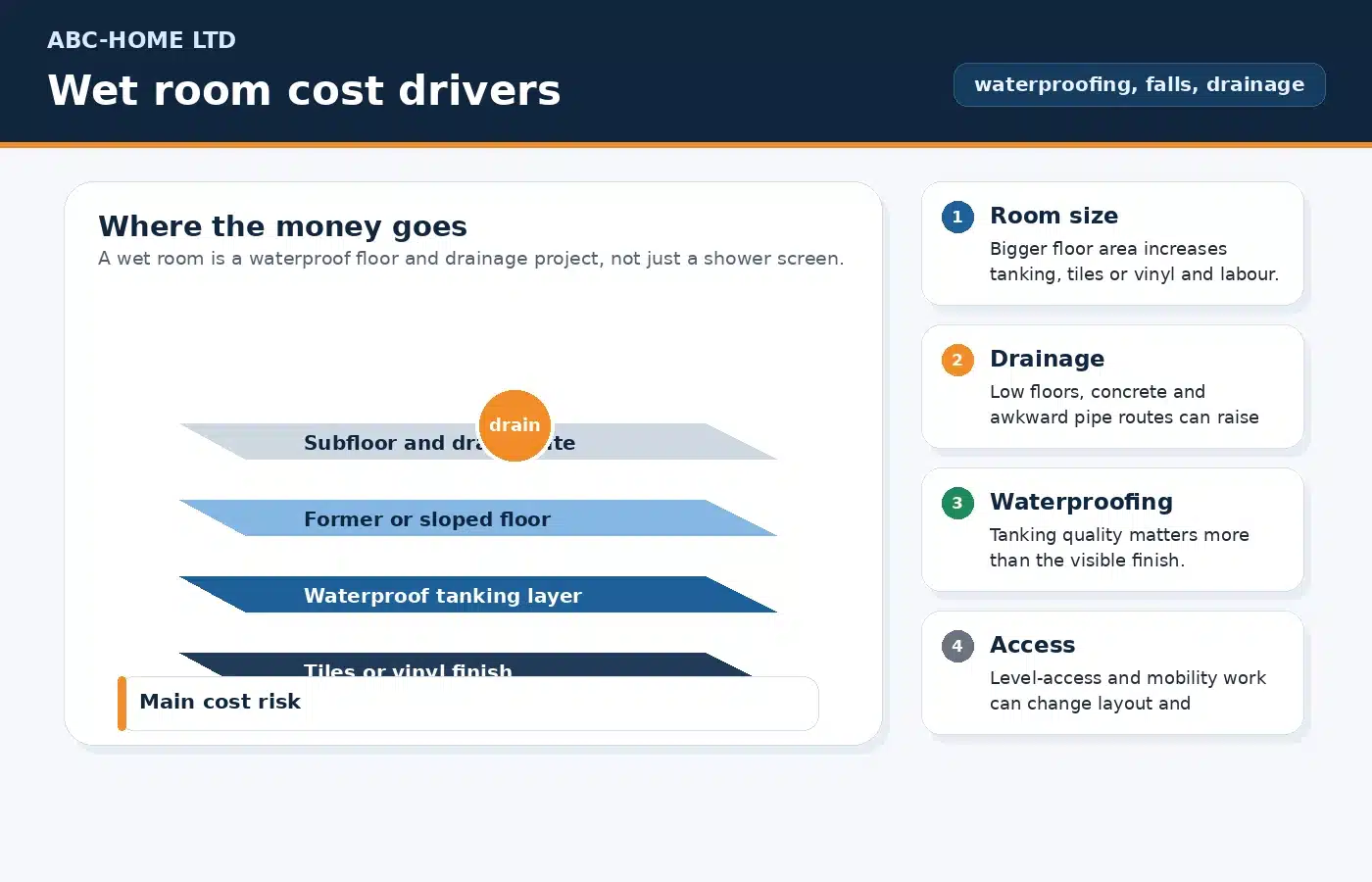
Waterproofing: Before tiling, the entire shower enclosure needs to be properly waterproofed. This typically involves applying a waterproof membrane to the walls and floor.
-
Tiling: Once the waterproofing is complete, we can start tiling. This process can take several days, especially if you’re using intricate tile patterns.
-
Installing fixtures: After the tiling is done and the grout has cured, we install the shower fixtures, including the steam outlet, showerhead, and control panel.
-
Final touches: The last step involves installing the shower door and any additional features like built-in seating or shelving.
Throughout the installation process, it’s crucial to work with experienced professionals who understand the unique requirements of steam showers. As someone who’s overseen many of these installations, I can attest to the importance of expertise in ensuring a successful outcome.
Enhancing Your Steam Shower Experience
Once your steam shower is installed, there are several ways to enhance the experience. One popular option is to incorporate aromatherapy. Many modern steam systems allow you to add essential oils directly to the steam, creating a truly immersive spa-like experience.
Lighting is another important factor. I often recommend installing LED lights that can change color, allowing users to create different moods for their steam sessions. Some systems even offer chromotherapy features, which use different colored lights for therapeutic purposes.
Music can also greatly enhance the steam shower experience. You might consider installing waterproof speakers or even a Bluetooth-enabled audio system that allows you to stream music from your phone or tablet.
For the ultimate in relaxation, consider adding a built-in bench or seat to your steam shower. This allows you to sit comfortably and fully enjoy the steam experience.
Maintenance and Care
Proper maintenance is key to ensuring your steam shower continues to function effectively for years to come. Here are some tips I always share with my clients:
-
Regular cleaning: Wipe down the walls and floor of your steam shower after each use to prevent soap scum and mineral buildup. Use a squeegee on glass surfaces to keep them clear.
-
Deep cleaning: Once a week, give your steam shower a thorough cleaning with a non-abrasive cleaner. Pay special attention to grout lines and corners where mold can develop.
-
Descaling: Depending on your water hardness, you may need to descale your steam generator periodically. Most manufacturers provide specific instructions for this process.
-
Check seals: Regularly inspect the door seals and caulking around your steam shower. Replace or repair as necessary to maintain a proper seal.
-
Ventilation: Always use your bathroom’s exhaust fan during and after your steam shower session to help remove excess moisture from the air.
By following these maintenance tips, you can help ensure that your steam shower remains a luxurious retreat for years to come.
The Future of Home Steam Showers
As technology continues to advance, we’re seeing exciting developments in the world of home steam showers. One trend I’m particularly excited about is the integration of smart home technology. Imagine being able to start your steam shower from your bedroom, so it’s ready and waiting when you step in!
Another area of innovation is in energy efficiency. Newer steam generators are becoming more efficient, using less water and electricity to produce the same amount of steam. This not only reduces operating costs but also makes steam showers a more environmentally friendly option.
We’re also seeing advancements in materials science, with new types of tiles and coatings that are even more resistant to heat and moisture. These developments promise to make steam showers even more durable and easier to maintain in the future.
Is a Steam Shower Right for You?
While steam showers offer numerous benefits, they’re not necessarily the right choice for every home or homeowner. Here are some factors to consider:
-
Space: Do you have enough room in your bathroom to accommodate a fully enclosed steam shower?
-
Budget: Steam showers represent a significant investment. Are you prepared for the costs of installation and ongoing maintenance?
-
Health considerations: While steam can offer health benefits, it’s not suitable for everyone. If you have certain health conditions, you should consult with a doctor before using a steam shower regularly.
-
Home value: Will adding a steam shower increase the value of your home in your local market?
-
Long-term plans: If you’re planning to sell your home in the near future, will a steam shower appeal to potential buyers in your area?
As a construction specialist, I always encourage homeowners to carefully weigh these factors before deciding to install a steam shower. While they can be a wonderful addition to many homes, it’s important to ensure they align with your specific needs and circumstances.
Wrapping Up
Steam showers represent a exciting way to bring a touch of luxury and wellness into your home bathroom. From the soothing effects of the steam to the potential health benefits, these installations offer a unique bathing experience that goes far beyond the ordinary.
However, as we’ve discussed, installing a steam shower is a complex process that requires careful planning and expert execution. From choosing the right materials to ensuring proper installation and maintenance, there are many factors to consider.
If you’re considering adding a steam shower to your home, I highly recommend working with experienced professionals who understand the intricacies of these systems. A well-designed and properly installed steam shower can provide years of enjoyment and potentially increase your home’s value.
For more information about bathroom renovations and fittings, including steam showers, you might want to check out ABC Home’s bathroom fitting services. They offer a range of options to suit various needs and budgets.
Remember, your bathroom should be more than just a functional space – it should be a personal retreat where you can relax and rejuvenate. Whether you choose to install a steam shower or explore other luxury bathroom features, the key is to create a space that meets your needs and enhances your daily life. Happy renovating!