The Essence of Minimalist Bathroom Design
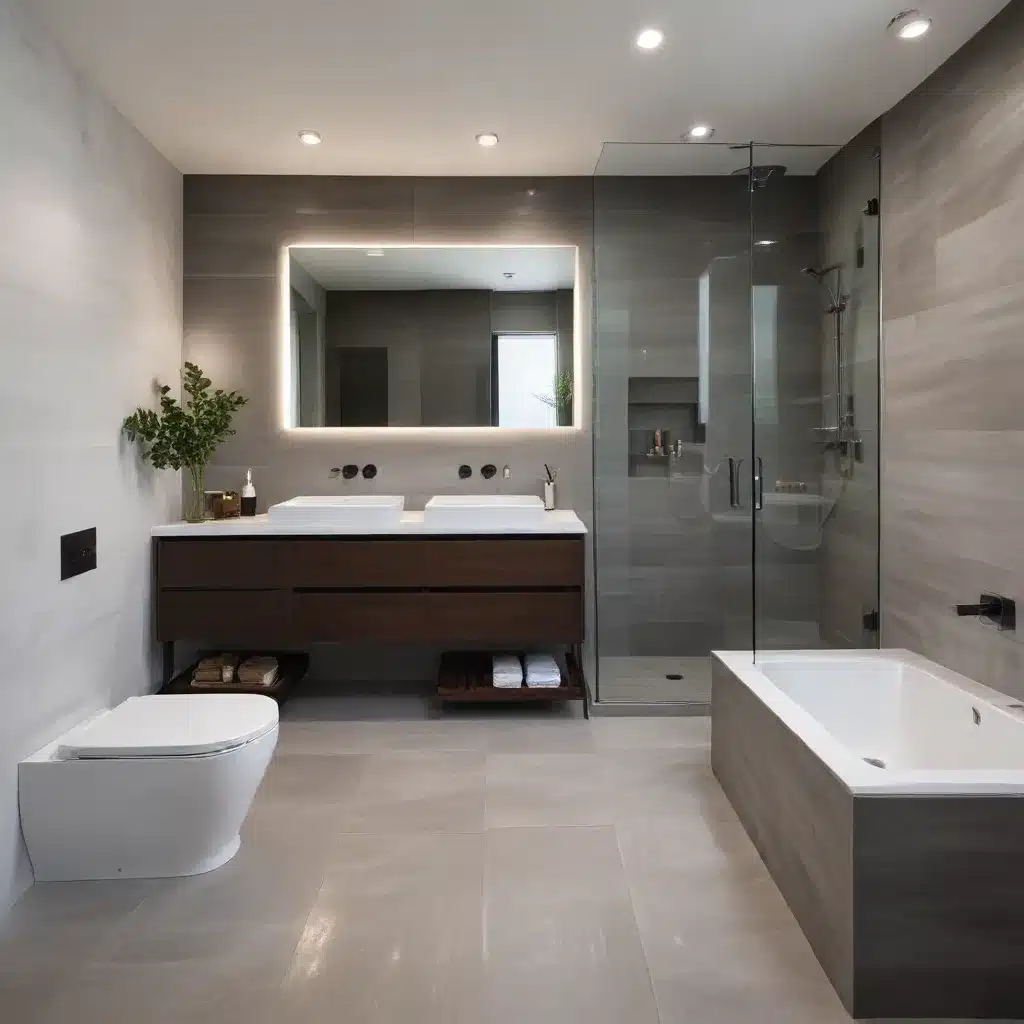
Minimalist bathroom design is more than just a trend; it’s a philosophy that emphasizes simplicity, functionality, and elegance. As a home construction specialist, I’ve seen firsthand how this approach can transform even the smallest of spaces into serene retreats. The key lies in understanding the core principles that define minimalism and applying them thoughtfully to create a bathroom that’s not only visually appealing but also practical for everyday use.
At its heart, minimalist design is about stripping away the unnecessary and focusing on what truly matters. In a bathroom, this translates to clean lines, uncluttered surfaces, and a sense of spaciousness. But don’t be fooled – achieving this look is far from simple. It requires careful planning and attention to detail to ensure that every element serves a purpose and contributes to the overall aesthetic.
One of the most challenging aspects of minimalist bathroom design is striking the right balance between form and function. While the goal is to create a space that looks effortlessly simple, it must still meet all the practical needs of a bathroom. This means incorporating storage solutions that blend seamlessly with the design, choosing fixtures that are both beautiful and efficient, and selecting materials that are durable and easy to maintain.
Colour Palette and Material Selection
When it comes to colour schemes in minimalist bathrooms, less is definitely more. I often recommend sticking to a neutral palette dominated by whites, greys, and earth tones. These colours create a sense of calm and openness, making the space feel larger and more inviting. However, this doesn’t mean your bathroom has to be boring or sterile.
The key to adding interest to a minimalist colour scheme is through texture and subtle variations in tone. For example, you might pair smooth, glossy white tiles with a matte grey floor for contrast. Or, consider using different shades of the same colour to add depth and dimension to the space. Natural materials like wood or stone can also introduce warmth and texture without disrupting the minimalist aesthetic.
When selecting materials for a minimalist bathroom, durability and ease of maintenance should be top priorities. High-quality porcelain tiles, for instance, are an excellent choice for both walls and floors. They’re water-resistant, easy to clean, and come in a wide range of styles that can mimic the look of more expensive materials like marble or concrete. For countertops, materials like quartz or solid surface options offer durability and a sleek appearance that fits perfectly with minimalist design principles.
Maximising Space and Light
One of the most effective ways to enhance a minimalist bathroom is by maximising the sense of space and light. This is particularly important in smaller bathrooms, where every inch counts. As a construction specialist, I’ve employed several techniques to achieve this effect in countless projects.
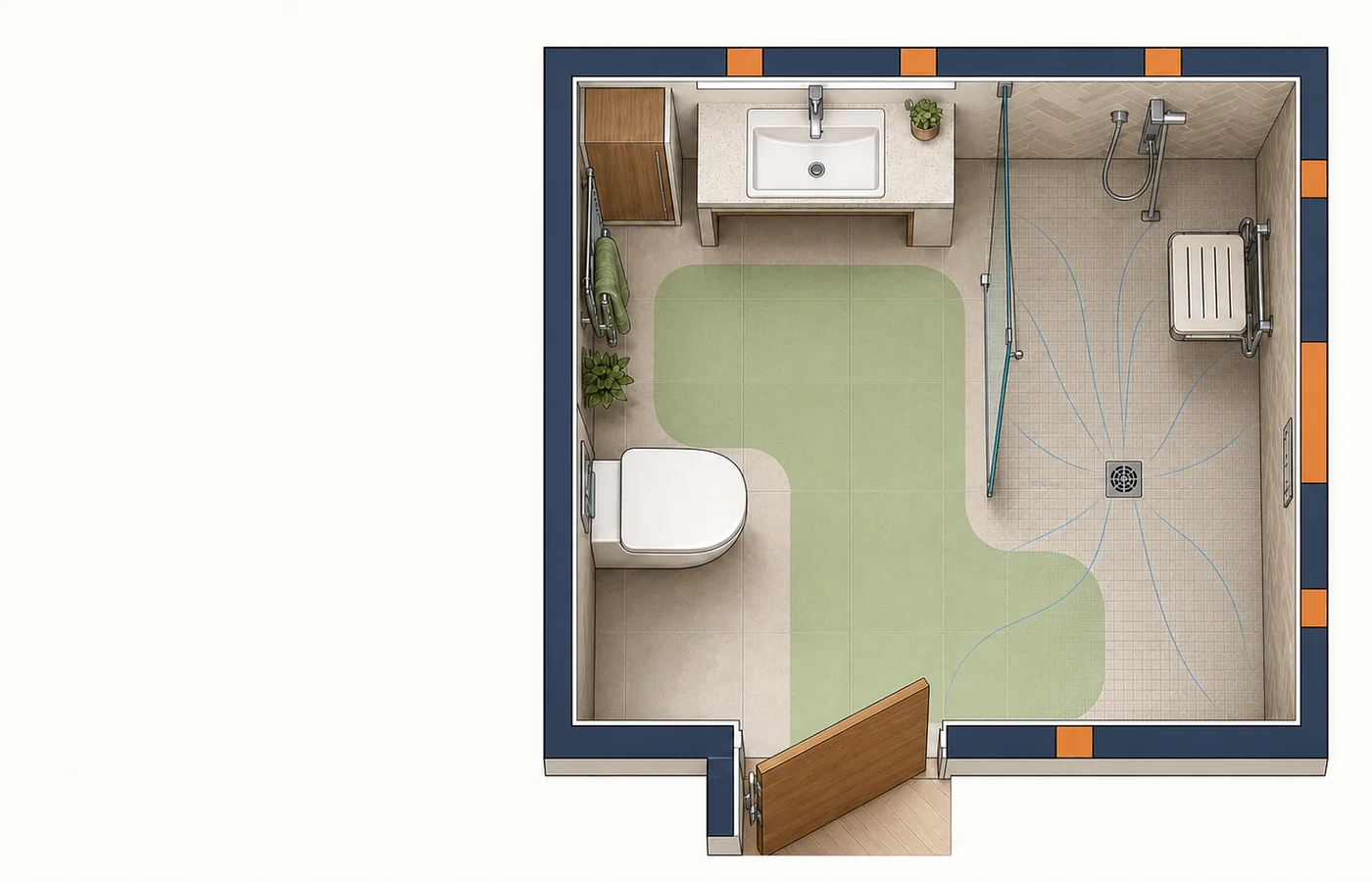
First and foremost, consider the layout carefully. A well-designed floor plan can make even the tiniest bathroom feel spacious and functional. Open-concept designs, where possible, can dramatically increase the perceived size of the room. For instance, replacing a traditional shower enclosure with a walk-in shower separated by a single glass panel can create a more open feel.
Lighting plays a crucial role in minimalist bathroom design. Natural light is ideal, so if you’re renovating or building from scratch, consider incorporating large windows or skylights. When natural light is limited, layered artificial lighting can create a similar effect. Combine ambient lighting with task lighting around the mirror and accent lighting to highlight architectural features or artwork.
Mirrors are another powerful tool for enhancing space and light. A large mirror above the vanity not only serves a practical purpose but also reflects light and makes the room appear larger. For an even more dramatic effect, consider a full-wall mirror or multiple mirrors strategically placed to bounce light around the room.
Streamlined Fixtures and Fittings
In a minimalist bathroom, every fixture and fitting should be chosen with care. The goal is to select pieces that are both functional and aesthetically pleasing, without unnecessary ornamentation. Wall-mounted toilets and vanities are popular choices in minimalist designs, as they create a clean, floating effect that enhances the sense of space.
When it comes to taps and showerheads, look for sleek, geometric designs with clean lines. Matt black or brushed metal finishes can add a touch of sophistication without overwhelming the space. For a truly minimalist look, consider concealed fixtures that hide plumbing behind the walls, creating a seamless appearance.
Storage is often a challenge in minimalist bathrooms, but it’s essential for maintaining the clutter-free aesthetic. Built-in storage solutions, such as recessed shelving or cabinets integrated into the wall, provide ample space for toiletries and linens without disrupting the clean lines of the room. If floor space allows, a freestanding storage unit in a complementary style can add both functionality and visual interest.
Remember, the key to successful minimalist design is in the details. Even small elements like towel rails, toilet roll holders, and shower drains should be chosen to complement the overall aesthetic. Opt for simple, geometric designs that blend seamlessly with the rest of the bathroom.
Incorporating Technology Discreetly
In today’s modern homes, technology plays an increasingly important role, even in the bathroom. However, incorporating tech features without compromising the minimalist aesthetic can be challenging. As a construction specialist, I’ve found that the key is to integrate technology as discreetly as possible.
Smart mirrors, for example, can incorporate features like LED lighting, demisting capabilities, and even built-in displays for weather updates or news feeds, all while maintaining a sleek, uncluttered appearance. Underfloor heating systems provide comfort without visible radiators or vents, preserving the clean lines of the space.
For those who enjoy music in the bathroom, consider installing waterproof speakers that can be recessed into the ceiling or walls. This allows for an immersive audio experience without cluttering the space with visible equipment. Similarly, smart shower systems can offer precise temperature control and water-saving features through minimalist interface panels that blend seamlessly with tile work.
Lighting control systems are another area where technology can enhance the minimalist bathroom experience. Touch-sensitive or motion-activated controls eliminate the need for visible switches, contributing to the clean, uncluttered look. These systems can also be programmed to create different lighting scenes for various times of day or activities, enhancing both functionality and ambiance.
Balancing Minimalism with Personal Style
While minimalism emphasizes simplicity and functionality, it doesn’t mean your bathroom has to lack personality. The challenge lies in finding ways to express your individual style without compromising the minimalist aesthetic. This is where thoughtful design choices and careful curation come into play.
One effective way to add character to a minimalist bathroom is through carefully chosen accessories. A single piece of striking artwork, for instance, can serve as a focal point and inject colour and personality into the space. Choose pieces that complement the overall colour scheme and style of the bathroom, rather than competing with it.
Plants are another excellent way to add life and texture to a minimalist bathroom. A well-placed potted plant or a hanging terrarium can bring a touch of nature indoors, softening the hard lines and surfaces typical of minimalist design. Opt for low-maintenance species that thrive in humid environments, such as ferns, bamboo, or air plants.
Textiles offer another opportunity to introduce warmth and personality. High-quality towels and bath mats in colours or textures that complement your design can add visual interest without cluttering the space. Consider natural materials like organic cotton or linen for a luxurious feel that aligns with minimalist principles.
Remember, the key to successful minimalist design is intentionality. Every element in the bathroom should serve a purpose and contribute to the overall aesthetic. By carefully selecting a few meaningful pieces that reflect your personal style, you can create a minimalist bathroom that feels uniquely yours.
Sustainable Practices in Minimalist Bathroom Design
As a construction specialist, I’ve noticed a growing trend towards sustainability in home design, and minimalist bathrooms are no exception. The good news is that minimalist principles often align well with eco-friendly practices, making it easier to create a bathroom that’s both stylish and sustainable.
Water conservation is a key consideration in sustainable bathroom design. Low-flow toilets, showerheads, and taps can significantly reduce water usage without compromising functionality. Many of these fixtures now come in sleek, minimalist designs that fit perfectly with the aesthetic. For an even more eco-friendly option, consider dual-flush toilets or sensor-activated taps that further minimize water waste.
When it comes to materials, look for sustainable options that align with minimalist design principles. Recycled glass tiles, for example, can create stunning, minimalist backsplashes or shower enclosures while reducing environmental impact. Bamboo, a rapidly renewable resource, can be used for flooring or cabinetry, offering both durability and eco-friendliness.
Energy efficiency is another important aspect of sustainable bathroom design. LED lighting not only consumes less energy but also aligns well with minimalist aesthetics due to its slim profile and long lifespan. For natural lighting, consider installing energy-efficient windows or skylights to reduce reliance on artificial lighting during the day.
The Role of Texture in Minimalist Bathrooms
While minimalist design often emphasizes smooth, sleek surfaces, incorporating texture can add depth and interest to the space without compromising the overall aesthetic. As a construction specialist, I’ve found that thoughtful use of texture can transform a minimalist bathroom from stark to inviting.
One way to introduce texture is through tiling. Even within a monochromatic colour scheme, you can create visual interest by mixing different tile sizes or laying patterns. For example, combining large-format tiles on the floor with smaller mosaic tiles in the shower area can add dimension to the space. Textured tiles, such as those with subtle raised patterns or natural stone-inspired finishes, can also add tactile interest without overwhelming the minimalist design.
Natural materials are excellent for adding texture to a minimalist bathroom. A wooden vanity top or shelving unit can bring warmth and organic texture to the space. Stone elements, whether in the form of a statement sink or a pebble-floored shower, can introduce rugged textures that contrast beautifully with smoother surfaces.
Even in small doses, texture can make a big impact. Consider accessories like a woven basket for storage, a textured glass vase, or a plush bath mat. These elements can add layers of tactile interest to the space while maintaining the clean, uncluttered look that defines minimalist design.
Lighting Design for Minimalist Bathrooms
Lighting plays a crucial role in any bathroom design, but it’s particularly important in minimalist spaces where every element needs to be carefully considered. As a construction specialist, I’ve learned that the right lighting can enhance the sense of space, highlight key features, and create the perfect ambiance in a minimalist bathroom.
Natural light should be your starting point whenever possible. Large windows or skylights can flood the space with light, making it feel more open and airy. If privacy is a concern, consider frosted glass or strategically placed window films that allow light in while maintaining privacy.
When it comes to artificial lighting, a layered approach works best in minimalist bathrooms. Start with ambient lighting to provide overall illumination. Recessed ceiling lights are a popular choice as they provide even lighting without disrupting the clean lines of the space. For a more dramatic effect, consider cove lighting or LED strips hidden behind mirrors or cabinetry to create a soft, diffused glow.
Task lighting is essential for functional areas like the vanity. Vertical sconces on either side of the mirror provide even, shadow-free lighting that’s ideal for grooming tasks. For a sleek, minimalist look, consider LED mirrors with built-in lighting.
Accent lighting can be used to highlight architectural features or artwork, adding depth and interest to the space. Small, directional spotlights or LED strips can be used to create subtle pools of light that enhance the overall ambiance of the bathroom.
Remember, in a minimalist bathroom, the lighting fixtures themselves should be as unobtrusive as possible. Look for simple, geometric designs that blend seamlessly with the overall aesthetic. Dimmable lights are also a great option, allowing you to adjust the lighting levels to suit different moods and times of day.
Creating a Spa-Like Experience in a Minimalist Bathroom
One of the most appealing aspects of minimalist bathroom design is its ability to create a sense of calm and relaxation reminiscent of a high-end spa. As a construction specialist, I’ve helped many homeowners transform their bathrooms into personal retreats using minimalist design principles.
The key to creating a spa-like atmosphere in a minimalist bathroom is to focus on comfort and sensory experiences. Start with the shower area. A rainfall showerhead can provide a luxurious, immersive experience while maintaining a sleek, minimalist look. For an even more indulgent option, consider a steam shower with simple, clean lines that blend seamlessly with the rest of the bathroom.
If space allows, a freestanding bathtub can serve as a stunning focal point in a minimalist bathroom. Look for models with simple, sculptural shapes that complement the clean lines of the space. Position the tub near a window if possible, allowing for a connection with nature that enhances the spa-like feel.
Temperature control is another important factor in creating a comfortable, spa-like environment. Underfloor heating is an excellent option for minimalist bathrooms as it provides warmth without visible radiators or vents. Heated towel rails can also add a touch of luxury while serving a practical purpose.
Don’t forget about the power of scent in creating a relaxing atmosphere. While cluttered countertops have no place in a minimalist bathroom, a single, well-chosen diffuser or candle can add a subtle fragrance that enhances the spa-like experience.
Minimalist Bathroom Design for Small Spaces
Designing a minimalist bathroom for a small space presents unique challenges, but it’s an area where the principles of minimalism can really shine. As a construction specialist, I’ve worked on numerous small bathroom projects, and I’ve found that minimalist design can make even the tiniest spaces feel open, functional, and stylish.
The first step in designing a small minimalist bathroom is to optimize the layout. Every inch counts, so it’s crucial to plan the space carefully. Consider a wall-mounted toilet and vanity to free up floor space and create a sense of openness. A corner sink can be a smart solution in very tight spaces.
Storage is often a challenge in small bathrooms, but it’s essential for maintaining the clutter-free look of minimalist design. Look for opportunities to incorporate hidden storage, such as recessed medicine cabinets or vanities with built-in drawers. Vertical storage solutions, like tall, narrow cabinets or open shelving, can maximize wall space without overwhelming the room.
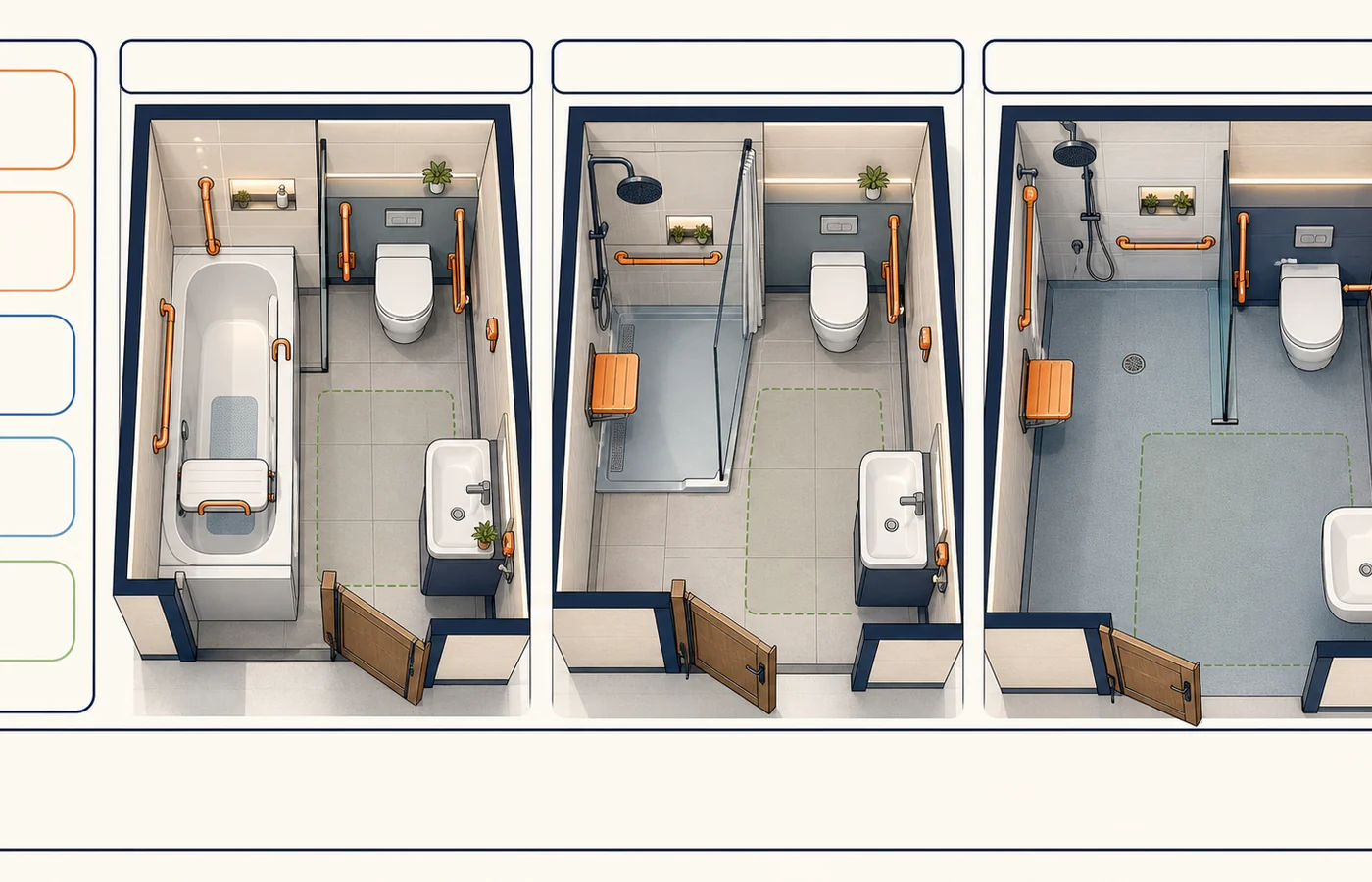
When it comes to showers, a walk-in design with a glass panel rather than a full enclosure can make the bathroom feel more spacious. If a bathtub is necessary, consider a compact model or a shower-tub combo with clean lines and a minimalist aesthetic.
Colour plays a crucial role in making a small bathroom feel larger. Stick to a light, neutral colour palette to create a sense of openness. Using the same colour for the walls and floor can blur the boundaries of the space, making it appear larger. Large-format tiles can also help to visually expand the space by reducing the number of grout lines.
Mirrors are your best friend in a small minimalist bathroom. A large mirror above the vanity can dramatically increase the perceived size of the room. For an even more dramatic effect, consider mirroring an entire wall.
Lighting is another key factor in making a small bathroom feel larger and more inviting. If possible, maximize natural light with a window or skylight. For artificial lighting, a combination of ambient and task lighting can create a bright, welcoming space without cluttering the design.
Remember, in a small minimalist bathroom, every element should serve a purpose and contribute to the overall aesthetic. Choose fixtures and accessories carefully, opting for sleek, multifunctional pieces that maximize style and functionality without overwhelming the space.
By applying these minimalist design principles thoughtfully, it’s possible to create a bathroom that feels spacious, functional, and luxurious, regardless of its actual size. The key is to focus on the essentials, eliminate clutter, and create a sense of openness through clever design choices.
Maintaining a Minimalist Bathroom
Creating a minimalist bathroom is one thing, but maintaining it over time can be a challenge. As a construction specialist, I often advise clients on how to keep their newly renovated bathrooms looking pristine and clutter-free. Here are some tips for maintaining a minimalist bathroom:
Firstly, develop a daily cleaning routine. A quick wipe-down of surfaces after use can prevent buildup and keep the space looking clean and fresh. Choose cleaning products that are effective but minimal in design, storing them out of sight when not in use.
Storage is key to maintaining a minimalist look. Assign a place for everything and be disciplined about putting items away after use. Consider using drawer organizers or small containers to keep toiletries and other bathroom essentials neatly arranged and easily accessible.
Regularly reassess your bathroom items. It’s easy for products and accessories to accumulate over time, so make a habit of periodically going through your bathroom and removing anything that’s no longer needed or used. This will help maintain the clutter-free aesthetic that’s so crucial to minimalist design.
When it comes to decor, remember that less is more. Resist the temptation to add unnecessary items or decorations. If you want to refresh the look of your minimalist bathroom, consider rotating a few key accessories rather than adding more.
Maintenance of fixtures and surfaces is crucial for preserving the sleek look of a minimalist bathroom. Address any issues promptly, such as leaky taps or cracked tiles, to prevent them from detracting from the overall aesthetic.
Lastly, embrace the minimalist mindset beyond just the physical space. This means being mindful of your consumption habits and only bringing items into the bathroom that truly add value or serve a purpose.
By following these maintenance tips, you can ensure that your minimalist bathroom remains a serene, clutter-free space for years to come.
Conclusion: The Timeless Appeal of Minimalist Bathroom Design
As we’ve explored throughout this article, minimalist bathroom design offers a timeless approach to creating functional, beautiful spaces that stand the test of time. From the careful selection of materials and colours to the thoughtful integration of storage and technology, every aspect of minimalist design serves a purpose.
Whether you’re working with a spacious master bath or a compact powder room, the principles of minimalism can be applied to create a sense of calm and order. By focusing on essential elements, embracing clean lines, and prioritizing quality over quantity, you can transform your bathroom into a sanctuary of simplicity and style.
Remember, successful minimalist design is about more than just aesthetics – it’s a reflection of a mindset that values intentionality and purposefulness in our living spaces. By applying these principles to your bathroom design, you’re not just creating a beautiful space, but also promoting a sense of calm and order in your daily life.
As a construction specialist, I’ve seen firsthand how minimalist bathrooms can enhance the overall value and appeal of a home. If you’re considering a bathroom renovation or new construction project, I encourage you to explore the possibilities of minimalist design. With careful planning and attention to detail, you can create a bathroom that’s not only visually stunning but also perfectly tailored to your needs and lifestyle.
For more information on bathroom fitting services and expert advice on creating your ideal minimalist bathroom, visit ABC Home’s bathroom fitting page. Our team of specialists is ready to help you bring your vision to life, creating a minimalist bathroom that you’ll love for years to come.