The Drip-Dropping Dilemma
I’ll admit it – I’m a bit of a rainwater aficionado. There, I said it! Ever since I had that fateful encounter with a leaky faucet as a kid, I’ve been utterly captivated by the power and potential of H2O. Call me a “hydrophile” if you must, but I simply can’t get enough of this life-giving liquid.
So, when my trusty old rain barrel finally bit the dust last summer, I knew I had to act fast. The thought of all that precious rainfall going to waste – cascading down the gutters and straight into the sewers – was enough to make my skin crawl. I had to find a solution, and fast.
That’s when the idea of a water butt came to me. “A what, now?” you ask? Well, my friend, allow me to enlighten you on the wonders of this unsung hero of the gardening world.
Unveiling the Water Butt: Your Rainfall Rescue Mission
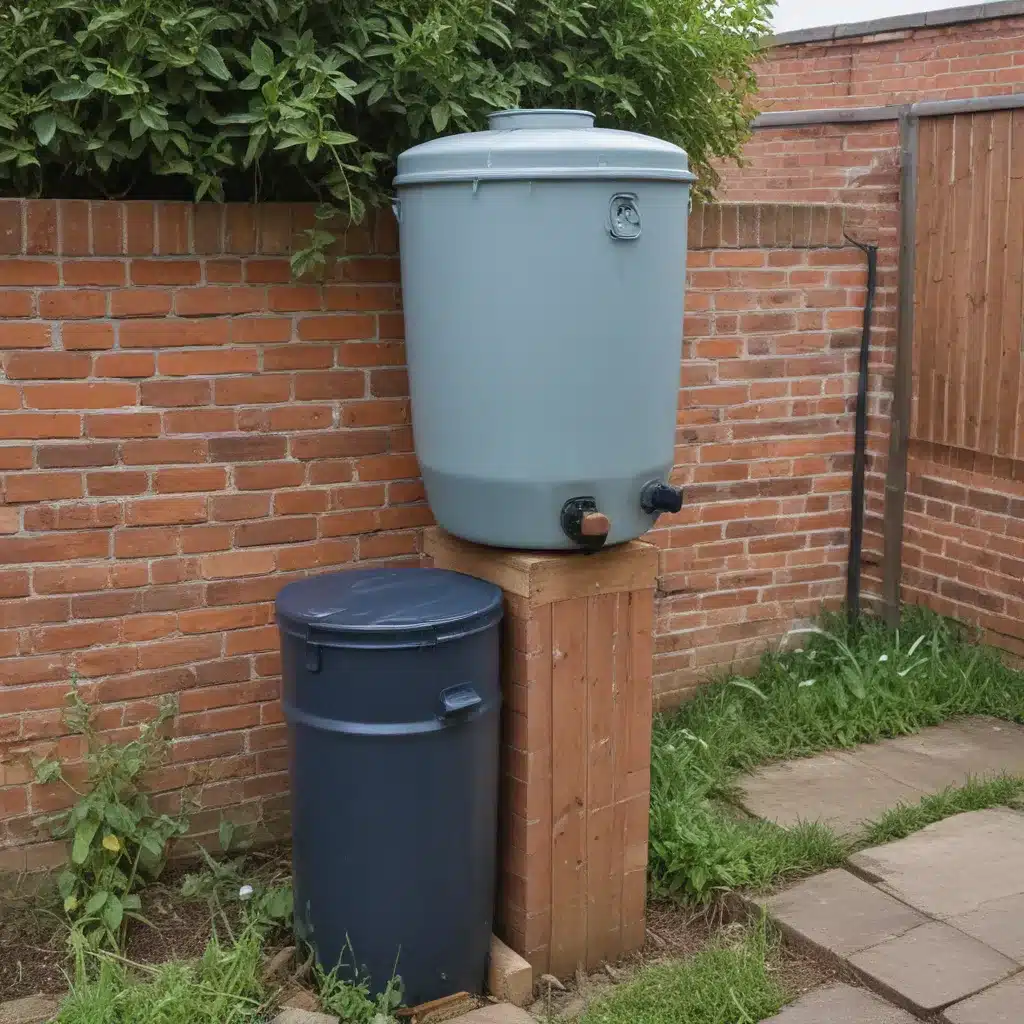
A water butt, my fellow moisture-loving friends, is a nifty little contraption that allows you to collect and store rainwater for later use. It’s essentially a large, sealable container that you can position under your gutters or downspouts, catching the runoff from your roof and diverting it into your own personal water reserve.
Now, you might be thinking, “But wait, isn’t that just a glorified rain barrel?” Well, yes and no. While the underlying concept is similar, water butts tend to be a bit more sophisticated in their design and functionality. They often come equipped with features like:
- Overflow pipes to prevent flooding
- Integrated filters to keep debris and critters at bay
- Taps or spigots for easy water access
- Lids to keep curious little ones (or furry friends) out
- Connections for daisy-chaining multiple butts together
And the best part? They come in a wide range of shapes, sizes, and styles to suit any home or garden aesthetic. Whether you’re looking for a sleek, modern cylinder or a more traditional, wooden-barrel vibe, there’s a water butt out there that’s sure to tickle your fancy.
The Rainwater Rundown: The Benefits of Water Butts
But why, you ask, would anyone bother with a water butt in the first place? Well, my friends, the reasons are as plentiful as the raindrops themselves. Let me break it down for you:
-
Water Conservation: By capturing and reusing rainwater, you can significantly reduce your reliance on the municipal water supply. This not only helps to conserve this precious natural resource but can also lead to some serious cost savings on your utility bills.
-
Gardening Gold: Rainwater is a gardener’s dream come true. It’s naturally soft, nutrient-rich, and free of the chemicals and minerals found in tap water – making it the perfect elixir for your plants, flowers, and veggies. Trust me, your green-fingered friends will be green with envy.
-
Environmental Stewardship: Every drop of rainwater that you divert from the storm drains is one less contributing to potential flooding or overloading of wastewater treatment facilities. By doing your part, you’re helping to reduce the strain on local infrastructure and protect the health of nearby waterways.
-
Disaster Preparedness: In the event of a water supply disruption or emergency, having a readily-available source of non-potable water can be a lifesaver. Whether it’s for flushing toilets, washing clothes, or tending to your garden, a well-stocked water butt can be a real game-changer.
-
Aesthetic Appeal: Let’s be honest, a well-placed water butt can actually be a pretty snazzy addition to your outdoor space. With so many stylish options to choose from, you can easily find one that complements your home’s architecture and landscaping.
Sizing Up the Situation: Choosing the Perfect Water Butt
Now, I know what you’re thinking: “Okay, I’m sold! But how do I even begin to choose the right water butt for my needs?” Well, my friends, it’s all about finding the perfect fit – both literally and figuratively.
The first step is to assess the size of your roof and the expected rainfall in your area. This will help you determine the optimal volume for your water butt. As a general rule, a good starting point is to aim for a storage capacity of around 1 liter (0.26 gallons) per square meter of roof area. So, for example, if your home has a roof that measures 100 square meters, you’d want a water butt with a minimum capacity of 100 liters (26 gallons).
But wait, there’s more! You’ll also want to consider factors like:
- The available space in your garden or outside your home
- The weight of a full water butt (around 8 pounds per gallon)
- Any specific features or accessories you might want, like a linked system or a tap
- Your personal style preferences and the overall aesthetic of your outdoor area
Trust me, I know it can feel a bit overwhelming, but with a little bit of research and planning, you’re sure to find the perfect water butt to suit your needs and your home.
Plumbing the Depths: Installing Your Water Butt
Alright, so you’ve found the perfect water butt – now what? Well, my friends, it’s time to roll up your sleeves and get to work! Installing a water butt might sound like a daunting task, but I can assure you, it’s a relatively straightforward process.
The key is to make sure you have all the necessary components and tools on hand before you get started. This typically includes:
- Your chosen water butt
- Downspout diverter or elbow fitting
- Flexible hose or pipe
- Drill and appropriate drill bits
- Sealant or caulk
- Level and tape measure
Once you’ve gathered your supplies, the installation process usually goes something like this:
- Determine the optimal location for your water butt, making sure it’s level and close to a downspout.
- Use your drill to create any necessary holes or openings in the butt or the downspout.
- Secure the downspout diverter or elbow fitting to the downspout, and connect it to the water butt using the flexible hose or pipe.
- Double-check that everything is properly sealed and secure, then give it a test run by turning on the tap or spigot.
And voila! Just like that, you’ve got your very own rainwater-harvesting system, ready to quench the thirsty plants in your garden or provide a backup water source in times of need.
Maintaining the Magic: Caring for Your Water Butt
But the journey doesn’t end there, my friends. Once your water butt is up and running, it’s important to keep it in tip-top shape to ensure it continues to function at its best.
The good news is, caring for a water butt is a relatively low-maintenance affair. Here are a few tips to keep your trusty rain catcher happy and healthy:
-
Regular Cleaning: At least once a year, give your water butt a thorough cleaning. This involves draining the water, removing any debris or sediment, and giving the interior a good scrub with a mild detergent. Don’t forget to rinse it out thoroughly before refilling.
-
Pest Prevention: To keep critters and bugs at bay, be sure to keep the lid or cover securely in place at all times. You can also consider installing a fine mesh screen over the inlet to filter out any unwanted visitors.
-
Winter Prep: When the cold weather starts to roll in, it’s a good idea to disconnect your water butt from the downspout and empty it completely. This will prevent any frozen water from causing damage to the unit.
-
Overflow Management: Keep a watchful eye on your water butt, especially during heavy rainstorms. If the overflow pipe starts to back up, you may need to adjust the positioning or install additional drainage measures to prevent flooding.
-
Routine Inspections: Every now and then, take a few moments to do a quick visual inspection of your water butt. Check for any cracks, leaks, or signs of wear and tear, and address any issues promptly to ensure its longevity.
By following these simple maintenance tips, you can rest assured that your water butt will continue to be a reliable and efficient addition to your home for years to come.
Reaping the Rewards: Creative Ways to Utilize Rainwater
Now, you might be wondering, “Okay, I’ve got my water butt all set up and running – but what the heck do I do with all this rainwater?” Well, my friends, the possibilities are truly endless!
One of the most obvious (and popular) uses for your harvested rainwater is, of course, watering your garden. Whether it’s your carefully curated flower beds, your vegetable patch, or your thirsty lawn, this nutrient-rich liquid gold can work wonders. And the best part? You’ll be reducing your reliance on the municipal water supply, saving both water and money in the process.
But that’s just the tip of the iceberg. Here are a few other creative ways you can put your rainwater to good use:
-
Car Washing: Skip the hose and use your rainwater to give your car a good scrub-down. The lack of minerals and chemicals means you can achieve a streak-free shine with minimal effort.
-
Household Cleaning: From mopping floors to washing windows, rainwater can be a valuable asset for all your indoor cleaning needs. It’s gentle on surfaces and won’t leave any unsightly residue behind.
-
Pet Care: Thirsty four-legged friends? Your water butt can be a reliable source of fresh, clean water for your beloved furry companions.
-
DIY Projects: Got a green thumb and a crafty side? Use your rainwater stash to nurture your indoor plants, mix up some homemade cleaning solutions, or even create your own natural dyes.
-
Emergency Preparedness: In the event of a water supply disruption or natural disaster, your water butt can serve as a crucial backup source for non-potable uses like flushing toilets or washing hands.
The key is to get creative and think outside the box. With a little bit of ingenuity, you’d be amazed at just how many ways you can put your rainwater to work around the home and garden.
The Ripple Effect: Expanding Your Rainwater Harvesting System
But what if one water butt just isn’t enough? Well, my friends, the good news is that you can easily expand your rainwater harvesting system to meet your growing needs.
One popular option is to “daisy chain” multiple water butts together, allowing you to capture and store even more of that precious H2O. By connecting the overflow pipes of one butt to the inlet of the next, you can create a seamless, cascading system that maximizes your water-collecting capabilities.
And if you’re really feeling ambitious, you can even take things to the next level with a more sophisticated rainwater harvesting setup. This might include:
- Larger, above-ground storage tanks
- Integrated pump systems for pressurized water delivery
- Filtration and disinfection equipment for potable water use
- Automated control systems for efficient irrigation or flushing
Of course, these more advanced systems do come with a higher price tag and a bit more complexity in terms of installation and maintenance. But for those with a deep passion for water conservation and a desire to take their rainwater game to the next level, the investment can be well worth it.
Diving into the Future: The Potential of Rainwater Harvesting
As I sit here, staring out at the gentle patter of raindrops against the window, I can’t help but feel a sense of excitement and wonder about the future of rainwater harvesting. It’s a technology that’s been around for centuries, but one that’s only now starting to gain the recognition and widespread adoption it deserves.
Just imagine a world where every home, every business, every community has its own water-collecting systems in place – a vast network of rain catchers, all working together to reduce our reliance on finite water resources and mitigate the impacts of drought, flooding, and water scarcity. It’s a future that’s not only possible, but one that we all have a responsibility to strive for.
And you know what? I believe that each and every one of us can play a part in making that vision a reality. Whether it’s through the installation of a simple water butt or the implementation of a more sophisticated rainwater harvesting setup, we all have the power to make a difference.
So, what are you waiting for? The rain is falling, the gutters are flowing, and the time to act is now. Who’s with me in this mission to capture, conserve, and celebrate the incredible resource that is rainwater?
Let’s get in touch and start planning your very own water-wise transformation today!