Selecting the Right Drawer Slides for Your Bathroom Vanity
As a home construction specialist with years of experience, I’ve encountered numerous challenges when it comes to bathroom renovations. One aspect that often gets overlooked is the selection of appropriate drawer slides for bathroom vanities. It’s a crucial element that can significantly impact the functionality and longevity of your bathroom storage solutions.
When choosing drawer slides for your bathroom vanity, it’s essential to consider the weight capacity. Bathroom drawers often house heavy items like hairdryers, toiletries, and even small appliances. The last thing you want is for your drawers to sag or fail under the weight of these everyday items.
In my experience, undermount slides are an excellent choice for bathroom vanities. They provide a clean, hidden appearance and typically offer better weight capacity compared to side-mount options. However, it’s crucial to select slides that are rated for the anticipated load. I’ve found that for most bathroom applications, slides with a 75-100 pound weight capacity are sufficient.
The Impact of Drawer Width on Stability and Function
One often overlooked factor in drawer design is the width of the drawer itself. As drawers get wider, they become more prone to racking (twisting out of square) when opened. This can lead to binding, misalignment, and premature wear on both the drawer and the slides.
I once worked on a project where the client insisted on extra-wide drawers in their master bathroom vanity. While it looked great on paper, we quickly realized that drawers over 36 inches wide were problematic. They tended to sag in the middle when fully extended, even with high-quality slides.
To address this issue, we implemented a few strategies:
- We used full-extension slides with a higher weight rating.
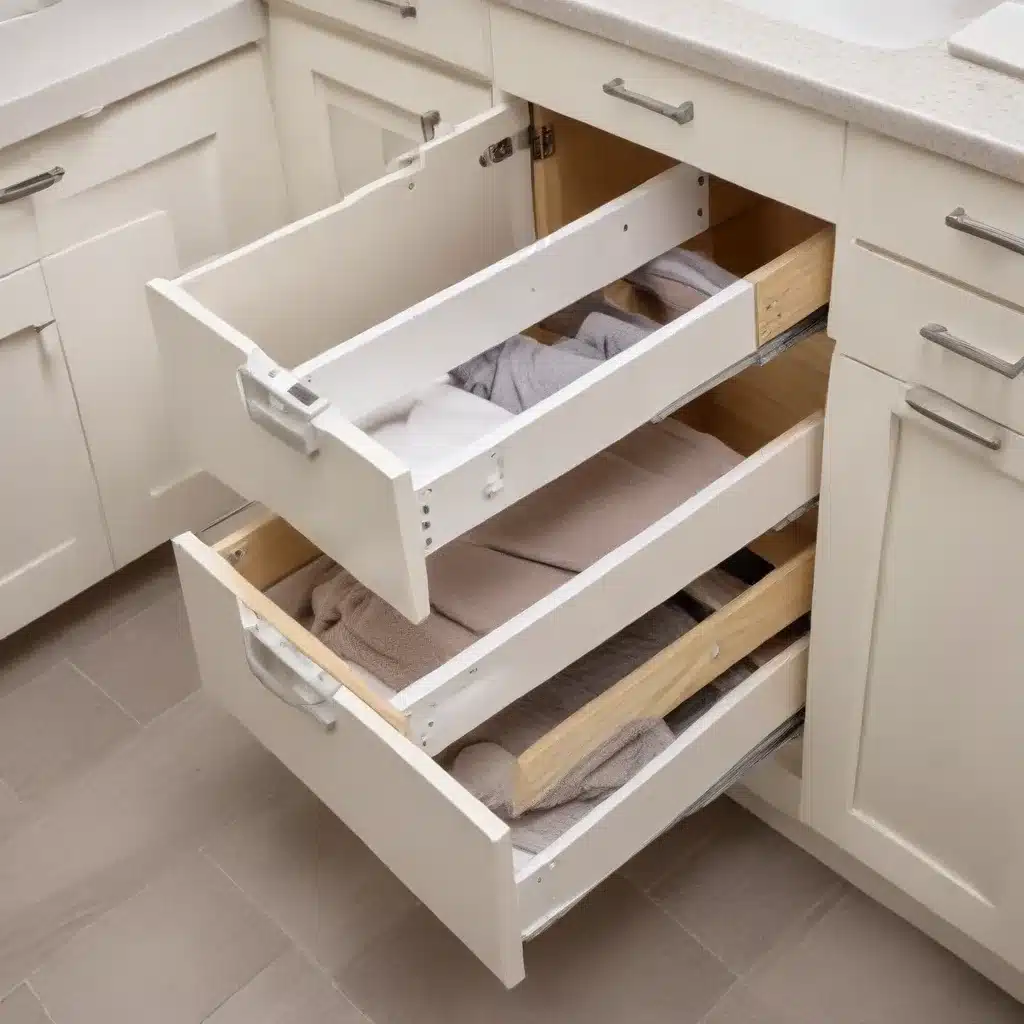
- We incorporated a center guide under each drawer to prevent racking.
- We reinforced the drawer bottoms with additional support strips.
These modifications significantly improved the stability and function of the wide drawers, but it’s a reminder that bigger isn’t always better when it comes to drawer design.
Maximizing Storage Space Without Compromising Stability
One of the challenges in bathroom design is maximizing storage space in often limited areas. While it might be tempting to create the largest possible drawers, it’s important to balance size with functionality.
I’ve found that dividing larger spaces into multiple smaller drawers can actually provide more usable storage. For example, instead of one 42-inch wide drawer, consider two 21-inch drawers side by side. This approach offers several benefits:
- Improved stability and reduced risk of racking.
- Easier organization of smaller items.
- Less strain on the drawer slides, potentially extending their lifespan.
Of course, every project is unique, and sometimes larger drawers are necessary. In these cases, it’s crucial to use high-quality slides and reinforce the drawer construction to ensure long-term durability.
The Role of Drawer Construction in Weight Capacity
While the slides play a crucial role in a drawer’s weight capacity, the construction of the drawer itself is equally important. I’ve seen many cases where high-quality slides were paired with poorly constructed drawers, leading to disappointing results.
When building drawers for bathroom vanities, I always recommend using solid wood or high-quality plywood for the drawer box. Avoid particleboard or MDF, as these materials can sag or deteriorate in the moisture-rich bathroom environment.
For drawer bottoms, I prefer 1/4-inch plywood, set into grooves in the drawer sides and front. For extra-wide drawers, I’ll often use 1/2-inch plywood to provide additional support. It’s also crucial to ensure that the drawer bottom is well-supported, especially in the center where sagging is most likely to occur.
Soft-Close Mechanisms: Luxury or Necessity?
In recent years, soft-close drawer slides have become increasingly popular in bathroom vanities. While they do add to the cost of the project, I believe they’re worth considering for several reasons:
- They prevent drawers from slamming, reducing wear and tear on both the drawer and its contents.
- They add a touch of luxury to the bathroom experience.
- They can help prevent pinched fingers, especially important in households with young children.
However, it’s important to note that soft-close mechanisms can slightly reduce the weight capacity of the slides. If you’re planning to store particularly heavy items, you may need to opt for heavy-duty soft-close slides or forego the soft-close feature altogether.
Installation Tips for Optimal Performance
Even the best drawer slides won’t perform well if they’re not installed correctly. Here are a few tips I’ve learned over the years to ensure optimal drawer slide performance:
- Ensure the cabinet is square and level before installing the slides.
- Use a jig or template to ensure consistent placement of the slides.
- For undermount slides, reinforce the drawer front attachment points to prevent the front from pulling away from the drawer box.
- Always follow the manufacturer’s installation instructions, as different brands may have specific requirements.
By taking the time to install drawer slides correctly, you’ll ensure smooth operation and longevity of your bathroom vanity drawers.
Maintaining Your Drawer Slides for Long-Term Performance
Once your bathroom vanity drawers are installed and functioning beautifully, it’s important to maintain them properly to ensure long-term performance. Here are a few maintenance tips I always share with my clients:
- Periodically clean the slides to remove dust and debris. A soft brush or compressed air can be effective for this.
- Avoid overloading drawers beyond their rated capacity.
- If you notice any binding or rough operation, address it promptly to prevent further damage.
- For metal slides, a light application of silicone spray lubricant can help maintain smooth operation. However, be cautious not to over-lubricate, as this can attract dust and debris.
By following these simple maintenance steps, you can significantly extend the life of your drawer slides and maintain the functionality of your bathroom storage.
Considering Accessibility in Drawer Design
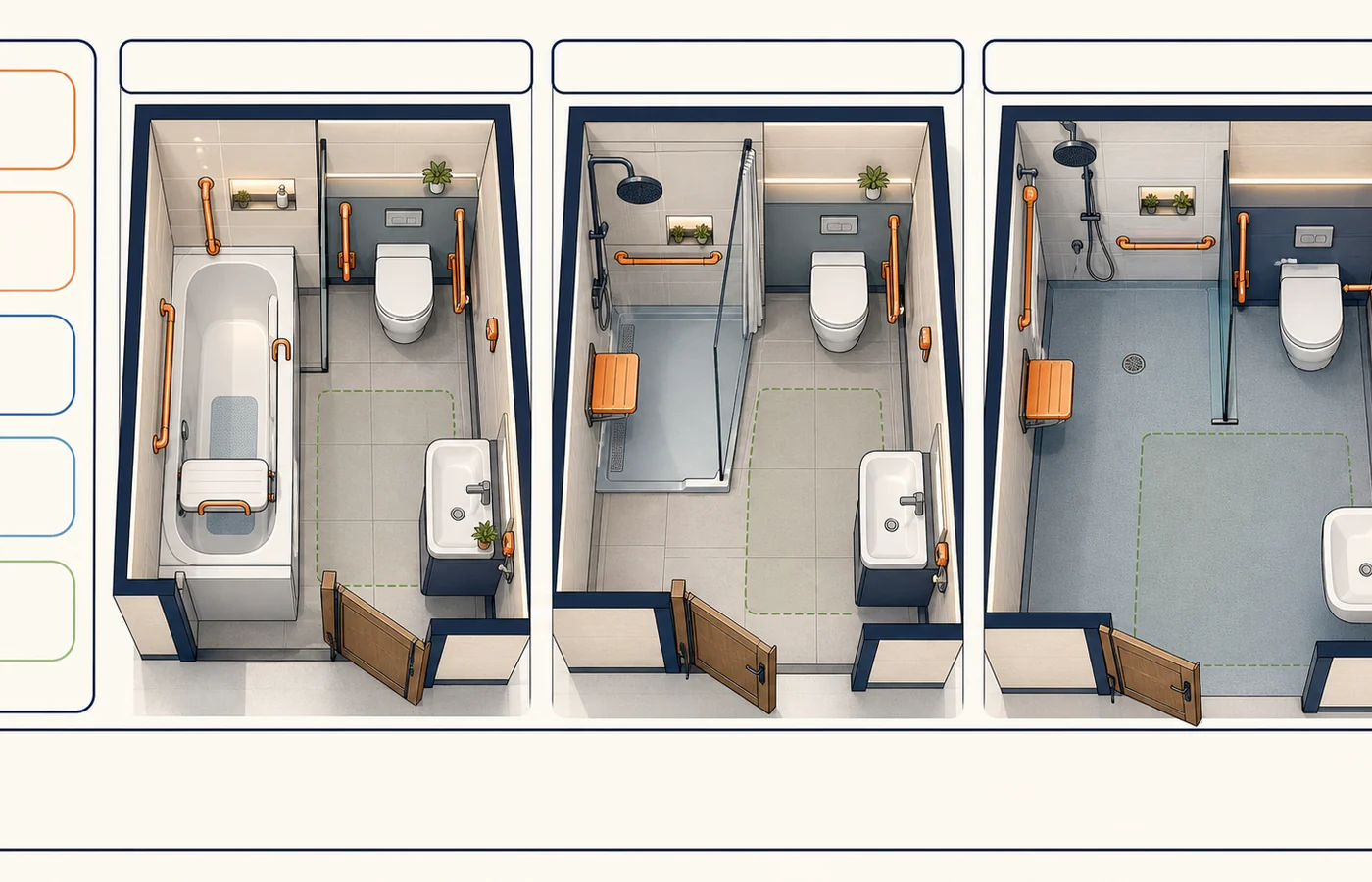
When designing bathroom drawers, it’s crucial to consider accessibility for all users. This is particularly important in households with elderly members or individuals with mobility challenges. Here are some considerations I always keep in mind:
- Opt for full-extension slides to allow easy access to items at the back of the drawer.
- Consider drawer pulls that are easy to grasp, even with limited hand strength.
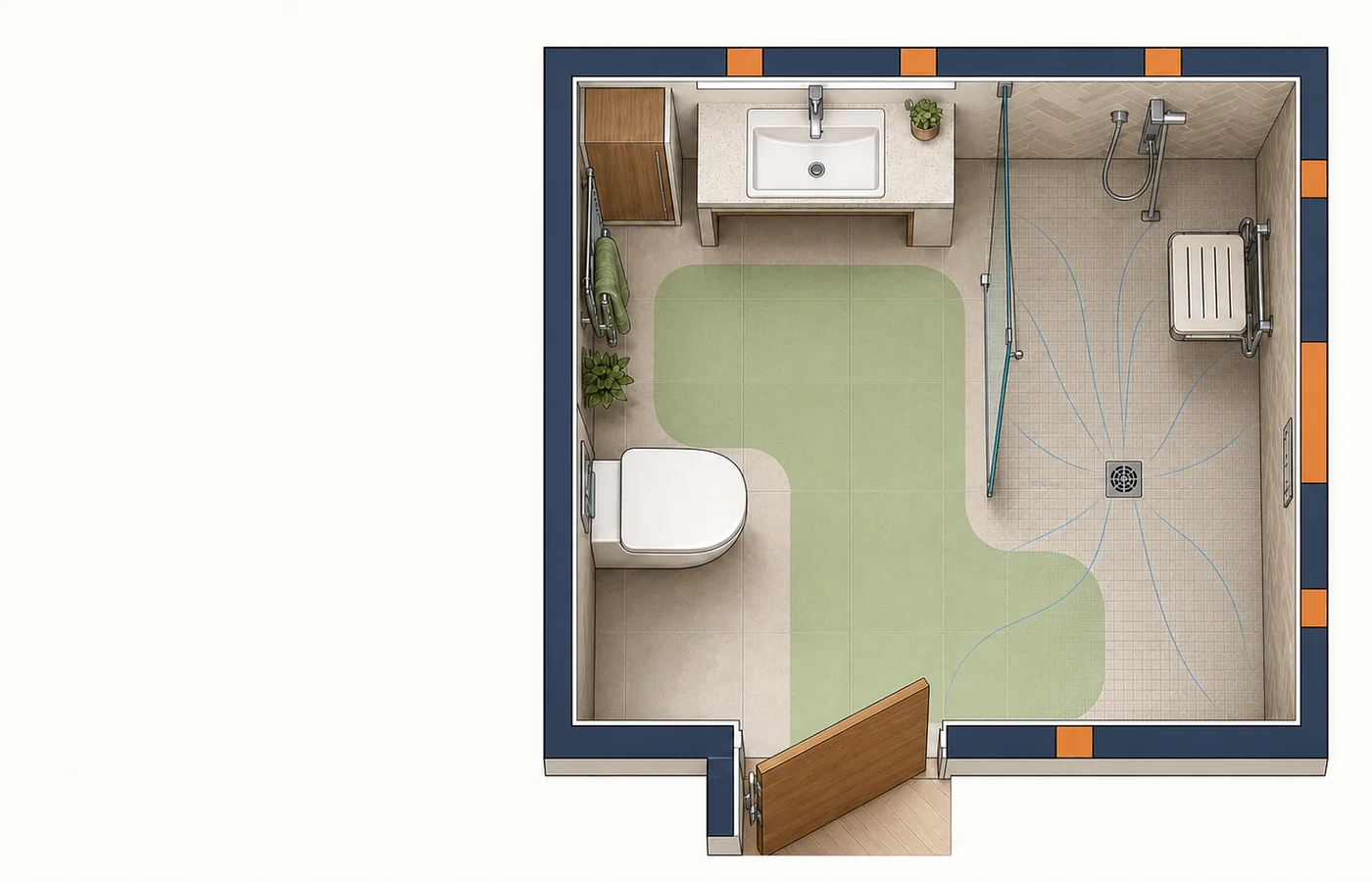
- For vanities used by wheelchair users, ensure drawers are at an appropriate height and have adequate knee clearance underneath.
These considerations not only improve usability but can also add value to your home in the long run. As our population ages, homes with accessible features are becoming increasingly desirable.
Drawer Slides and Building Codes: What You Need to Know
While drawer slides themselves aren’t typically subject to building codes, the overall construction of bathroom vanities does need to meet certain standards. In my experience, it’s always best to exceed minimum code requirements to ensure safety and durability.
Some key points to keep in mind:
- Ensure the vanity is securely anchored to the wall to prevent tipping, especially with heavy drawers.
- If the vanity includes electrical outlets (common for hair dryers or electric shavers), ensure these meet local electrical codes.
- In areas prone to earthquakes, consider additional securing methods for drawers to prevent them from opening during seismic events.
Always consult local building codes and consider hiring a licensed professional for complex bathroom renovations. It’s better to invest in proper installation upfront than to deal with costly repairs or safety issues down the line.
The Future of Bathroom Drawer Technology
As with many aspects of home construction, bathroom drawer technology continues to evolve. I’m excited about some of the innovations I’ve seen in recent years:
- Electronic push-to-open systems that allow for handle-less drawer fronts, creating a sleek, modern look.
- Integrated LED lighting systems that illuminate drawer contents when opened.
- Moisture-resistant slide materials that are better suited to the bathroom environment.
While these features can add to the cost of a project, they can also significantly enhance the functionality and aesthetic of your bathroom. As always, it’s important to balance these high-tech features with practical considerations like durability and ease of maintenance.
Final Thoughts on Bathroom Drawer Slides
Choosing the right drawer slides for your bathroom vanity is more than just a functional decision – it’s an investment in the daily usability and longevity of your bathroom. By considering factors like weight capacity, drawer width, construction materials, and installation techniques, you can create storage solutions that not only look great but stand the test of time.
Remember, the best bathroom renovations are those that balance aesthetics with practicality. Don’t be afraid to consult with professionals or do thorough research before making decisions. And if you’re looking for expert guidance on your bathroom renovation project, consider reaching out to ABC Home. With years of experience in bathroom fitting, they can help you navigate the complexities of drawer slide selection and ensure your renovation project is a success.
In my years of experience, I’ve learned that attention to these seemingly small details can make a big difference in the overall success of a bathroom renovation. By taking the time to select the right drawer slides and implement proper installation techniques, you’re setting yourself up for years of trouble-free use and enjoyment of your new bathroom space.