Unlocking the Potential of Your Home: Embracing Accessibility with a Downstairs Bedroom and Bathroom
As a passionate homeowner and self-proclaimed “renovation enthusiast,” I’ve always believed that a home should be a sanctuary – a place that not only reflects our personal style but also caters to our evolving needs. And when it comes to accessibility, I’ve learned that small changes can make a world of difference. That’s why I’m here to share my journey of adding a downstairs bedroom and bathroom to my home in Aberdeen, UK – a decision that has truly transformed the way I experience my living space.
Recognizing the Need for Change
It all started when my elderly parents came to visit, and I realized that navigating the stairs was becoming increasingly challenging for them. The thought of them struggling to access the upstairs bedrooms and bathroom was simply unacceptable. I knew that I had to find a solution that would not only make their visits more comfortable but also prepare my home for the future.
As I delved deeper into the topic, I discovered that accessibility is not just a concern for the elderly. Mobility challenges can affect individuals at any stage of life, whether due to injury, illness, or simply the natural progression of aging. And for those of us who plan to stay in our homes for the long haul, addressing accessibility needs is a crucial investment in our long-term comfort and independence.
Exploring the Benefits of a Downstairs Bedroom and Bathroom
The decision to add a downstairs bedroom and bathroom was not one I took lightly. I knew it would involve a significant investment of time, effort, and resources. But as I weighed the pros and cons, the benefits became increasingly clear.
First and foremost, the downstairs bedroom and bathroom would provide a dedicated space for my parents and any other guests who might have difficulty navigating the stairs. This would not only make their visits more comfortable but also give them a sense of privacy and independence.
But the benefits didn’t stop there. By creating a self-contained living area on the ground floor, I would also be future-proofing my home. Should I or any of my family members face mobility challenges in the future, this new space would serve as a comfortable, accessible haven, allowing us to continue living independently in the home we love.
Moreover, the addition of a downstairs bathroom would eliminate the need to traverse the stairs multiple times a day, reducing the risk of falls and injuries. This, in turn, would enhance our overall safety and well-being, giving us the peace of mind to focus on the things that truly matter.
Navigating the Design and Construction Process
With the compelling reasons for the project firmly in mind, I set out to navigate the design and construction process. I knew that this would not be a simple undertaking, but I was determined to create a space that would not only meet our accessibility needs but also seamlessly integrate with the existing architecture of my home.
I began by reaching out to a trusted local building and renovation company, ABC Home, to discuss my vision. The team there was incredibly knowledgeable and helpful, guiding me through the various considerations and design options.
One of the first decisions we had to make was the location of the new bedroom and bathroom. After carefully analyzing the layout of my home, we decided that the perfect spot would be an unused corner of the ground floor, adjacent to the existing living room. This would allow us to create a self-contained living area while minimizing the impact on the rest of the house.
Next, we delved into the nitty-gritty of the design process. I wanted the new space to feel like an integral part of my home, not a separate, awkward addition. So, we worked closely to ensure that the architectural style, materials, and finishes seamlessly blended with the existing aesthetic.
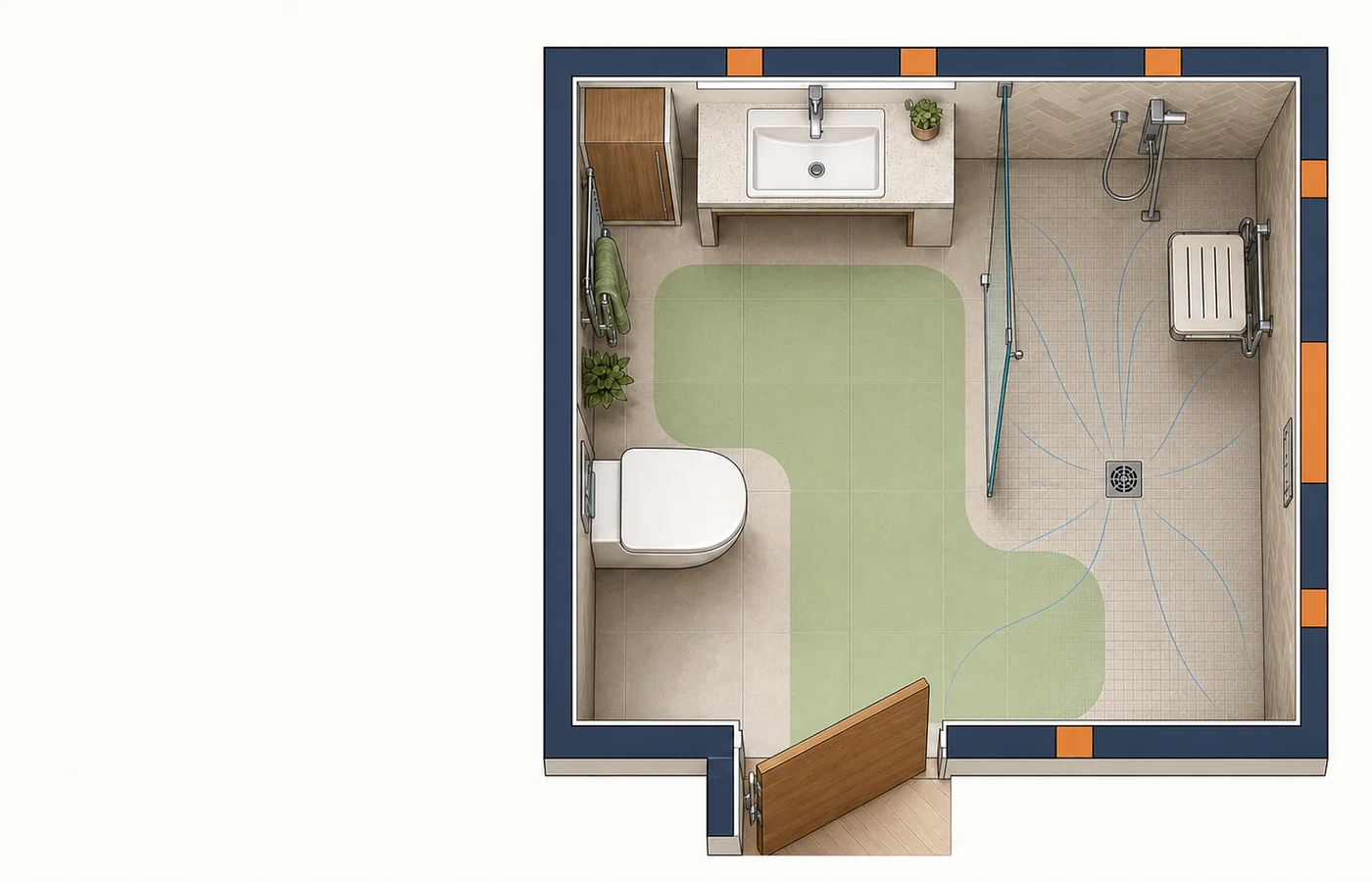
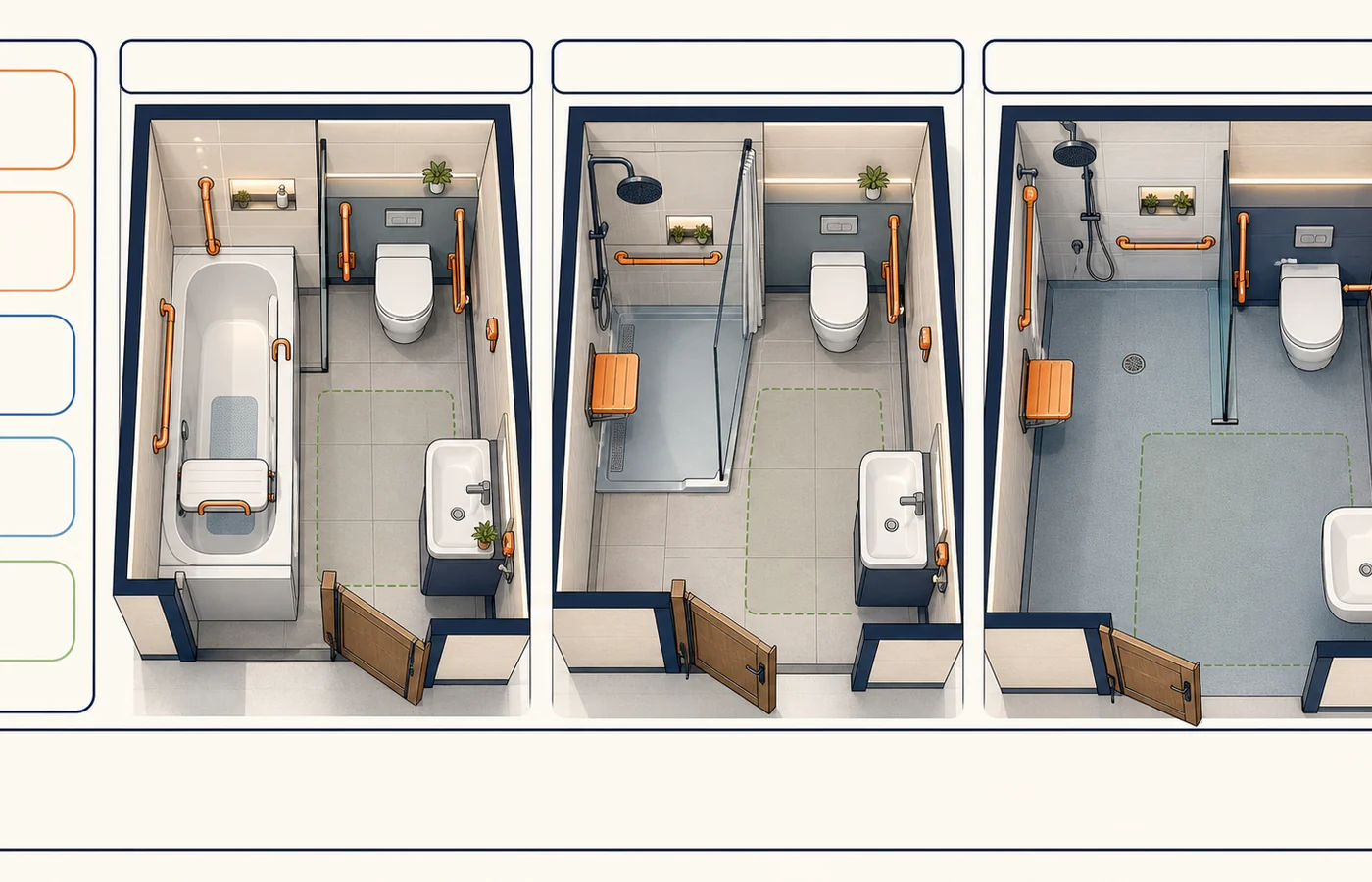
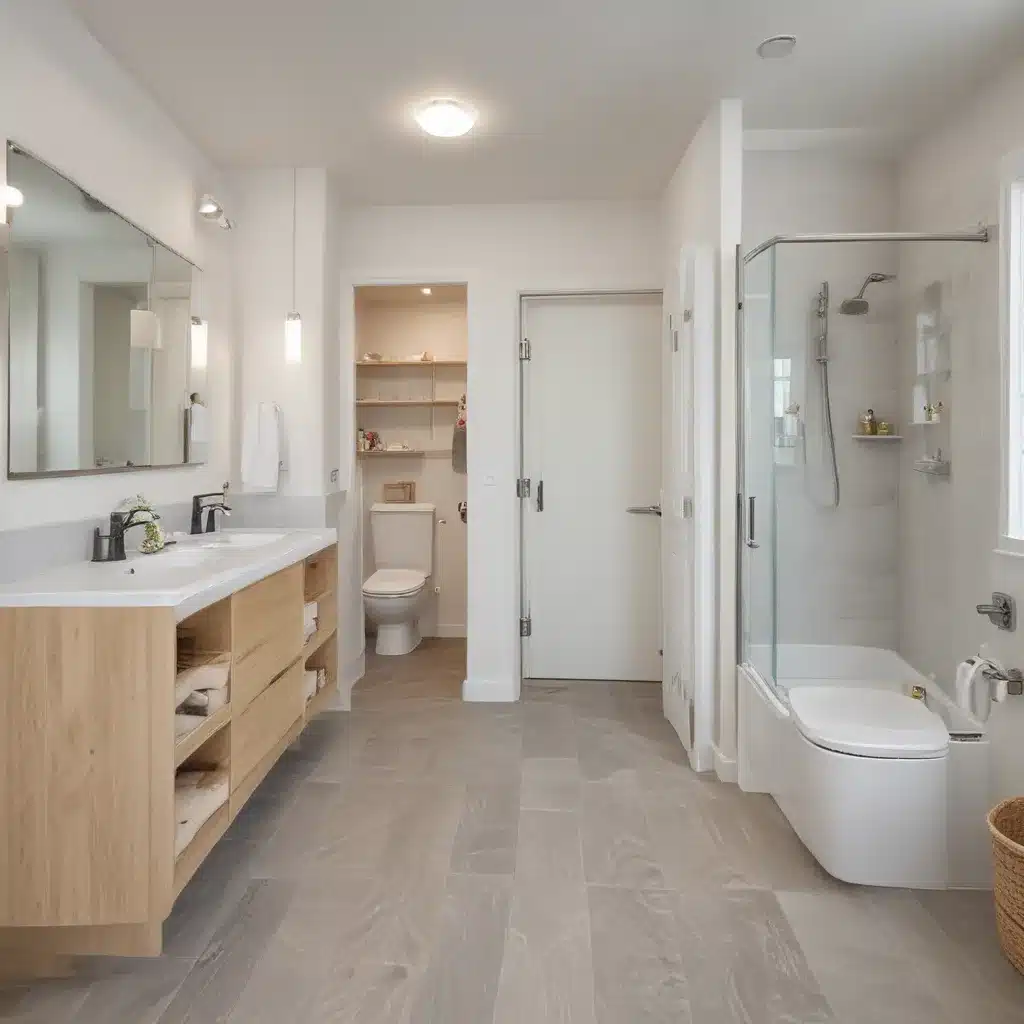
In terms of the layout, we prioritized functionality and accessibility. The bedroom was designed with ample space for maneuvering, and the bathroom featured a walk-in shower, grab bars, and other mobility-friendly features. We also incorporated smart home technology, such as voice-controlled lighting and temperature controls, to make the space even more user-friendly.
Overcoming Challenges and Embracing Opportunities
As with any major renovation project, there were certainly challenges along the way. Coordinating with contractors, managing unexpected delays, and ensuring that the new addition harmonized with the existing structure – these were just a few of the hurdles I had to navigate.
But I must say, the ABC Home team was an absolute godsend. They worked tirelessly to overcome obstacles, keep me informed every step of the way, and ensure that the final result exceeded my expectations.
One particularly tricky challenge was finding the right balance between accessibility and aesthetics. I wanted the new space to look and feel like a natural extension of my home, not a sterile, institutional-looking environment. Through careful design choices and a keen eye for detail, we were able to create a warm, inviting atmosphere that seamlessly blended form and function.
Another unexpected delight was the opportunity to personalize the space. As we mapped out the layout and finishes, I found myself getting excited about the prospect of incorporating my own touch – from the cozy textiles in the bedroom to the playful tile patterns in the bathroom. This allowed me to truly make the space my own, transforming it into a haven that reflects my unique style and personality.
The Transformative Impact of Accessible Living
Now, several months after the completion of the project, I can honestly say that adding a downstairs bedroom and bathroom has been a life-changing experience. The impact on my life, and that of my family, has been profound.
My parents’ visits have become so much more enjoyable, as they no longer have to navigate the stairs. They can simply stroll from the living room to their own private retreat, where they can relax and unwind in comfort. And the peace of mind that this has brought is truly priceless.
But the benefits extend beyond just accommodating our guests. I find myself using the new space regularly, whether it’s for a quiet afternoon nap or a luxurious soak in the bathtub. The easy access and the sense of security it provides have become an integral part of my daily routine.
Perhaps most importantly, this project has given me a deeper appreciation for the importance of accessibility in our homes. It’s not just about making life easier for the elderly or those with mobility challenges – it’s about creating a living environment that is inclusive, adaptable, and empowering for people of all ages and abilities.
Embracing the Future with Confidence
As I look ahead to the future, I feel a profound sense of confidence and optimism. I know that my home is now better equipped to accommodate my changing needs, as well as those of my loved ones. The downstairs bedroom and bathroom have become a true sanctuary, a place where we can all thrive and enjoy our golden years with dignity and independence.
And who knows, perhaps one day, I’ll be able to pass this beautiful, accessible home on to my children or grandchildren, ensuring that it continues to serve as a warm and welcoming haven for generations to come.
So, if you’re a homeowner in Aberdeen, UK, or anywhere else, I encourage you to consider the transformative power of adding a downstairs bedroom and bathroom. It may seem like a daunting project, but with the right team and a clear vision, the rewards can be truly life-changing. Embrace the opportunity to create a home that not only reflects your style but also empowers you and your loved ones to live life to the fullest, no matter what challenges may come your way.
Remember, your home is your sanctuary, and with a little bit of creativity and determination, you can transform it into a space that truly supports your evolving needs and aspirations. So, why wait? Start your journey towards a more accessible, inclusive, and empowering living environment today!