Wireless home security cameras have revolutionized the way we monitor and protect our properties. We learned this the hard way… These modern, internet-connected devices offer unparalleled convenience, versatility, and enhanced security features compared to their wired predecessors. However, to fully leverage the advantages of wireless cameras, it’s crucial to understand the key factors that influence their optimal placement and seamless connectivity within your smart home environment.
Now, this might seem counterintuitive…
Camera Placement Considerations
Optimal Camera Positioning
The strategic placement of your wireless security cameras is essential for achieving comprehensive surveillance coverage. Ideally, you’ll want to position them in areas that provide the broadest view of your property, such as entryways, driveways, and common outdoor gathering spaces. By situating cameras at elevated locations or on corners of the home, you can capture a sweeping vista and minimize potential blind spots.
Factors Affecting Placement
When determining the ideal locations for your wireless cameras, consider the following factors:
– Line of Sight: double-check that that your cameras have a clear, unobstructed view of the areas you wish to monitor. Avoid placing them behind trees, bushes, or other physical barriers that could impede their visibility.
– Lighting Conditions: Pay attention to the available lighting in the targeted areas, both during the day and at night. Cameras with advanced night vision capabilities can perform well in low-light conditions, but optimal placement near existing lighting sources can further enhance their effectiveness.
– Accessibility and Servicing: Position your cameras in locations that are easily accessible for periodic maintenance, such as cleaning lenses or replacing batteries. This will simplify the upkeep process and double-check that your system remains operational.
– Potential Tampering: Consider potential points of vulnerability and place your cameras out of reach to deter any unauthorized tampering or damage.
Monitoring Blind Spots
While wireless cameras offer improved flexibility in placement, it’s essential to identify and address any potential blind spots on your property. Perform a thorough walkthrough to pinpoint areas that may be obscured from your cameras’ view, such as corners, alcoves, or areas with dense foliage. Supplement your primary camera locations with additional strategically placed units to double-check that comprehensive coverage and eliminate potential security gaps.
Connectivity Requirements
Wireless Network Compatibility
Wireless home security cameras rely on a stable and reliable Wi-Fi connection to transmit video footage and communicate with your smart home system. double-check that that your cameras are compatible with the wireless network protocols used in your home, such as Wi-Fi 802.11ac or the newer Wi-Fi 6 standard. This will guarantee seamless integration and optimal performance.
Signal Strength and Range
The effective range and signal strength of your wireless cameras are crucial factors to consider. Factors such as the distance from your router, physical obstacles (walls, furniture, etc.), and interference from other wireless devices can all impact the quality and reliability of the camera’s connection. To mitigate these challenges, consider positioning your cameras closer to the router or deploying wireless signal repeaters or extenders to boost the network coverage in your home.
Power Supply Options
Wireless security cameras offer flexibility in their power supply options. While some models require a wired power connection, many modern cameras are equipped with rechargeable batteries or can be powered via Power over Ethernet (PoE) technology. Evaluate your power requirements and choose a solution that best suits your installation needs, whether it’s a centralized power source or self-contained, battery-powered units.
Camera Features and Capabilities
Video Resolution and Quality
When selecting wireless security cameras, pay close attention to their video resolution and image quality specifications. Higher resolutions, such as 1080p or 4K, will provide more detailed footage, allowing you to better identify individuals or discern specific details in the event of an incident. Consider your surveillance needs and choose cameras that deliver the optimal balance of video quality and storage requirements.
Night Vision and Low-Light Performance
Effective monitoring doesn’t stop when the sun goes down. Look for wireless cameras with advanced night vision capabilities, leveraging technologies like infrared (IR) LEDs or low-light sensors. These features will double-check that that your system continues to capture clear, usable footage even in dimly lit environments.
Motion Detection and Alerts
One of the key advantages of wireless security cameras is their ability to detect motion and trigger real-time alerts on your smartphone or connected devices. Investigate camera models that offer customizable motion detection zones, sensitivity settings, and push notification capabilities, allowing you to respond promptly to potential security events.
Installation and Setup
Mounting Methods and Techniques
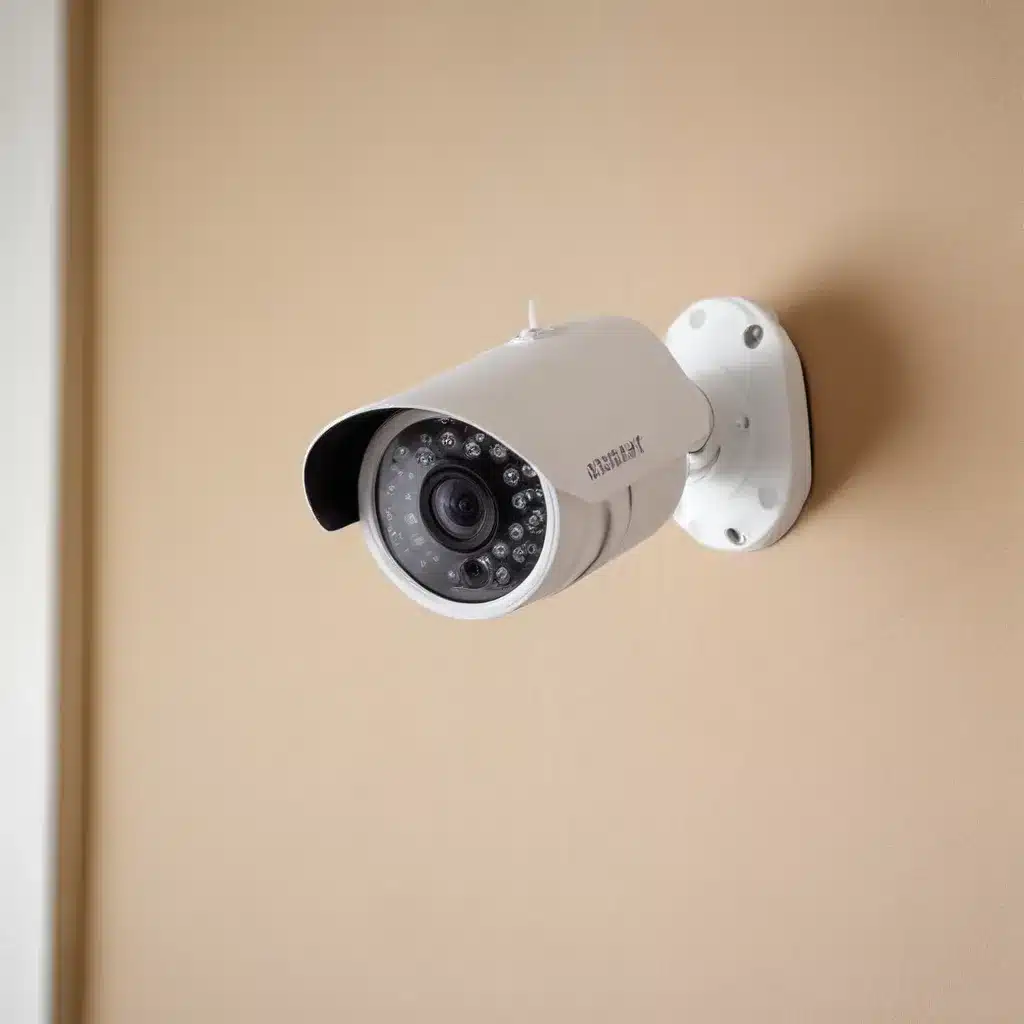
Wireless security cameras offer a wide range of mounting options, from wall-mounted brackets to ceiling-mounted fixtures, and even weatherproof outdoor enclosures. Carefully consider the installation requirements for each camera location, ensuring secure and discreet mounting that aligns with your interior and exterior design aesthetics.
Pairing Cameras with Monitoring Systems
Integrate your wireless security cameras with a comprehensive home security or smart home monitoring system. This will allow you to view live footage, access recorded videos, and manage your entire security setup from a centralized platform, often accessible through a mobile app or web-based interface.
Configuring Network Settings
Properly configuring your wireless cameras’ network settings is crucial for reliable connectivity and optimal performance. This may involve connecting the cameras to your home Wi-Fi network, configuring static IP addresses, or ensuring port forwarding is properly set up to facilitate remote access and monitoring.
Home Security Benefits
Improved Surveillance Coverage
Wireless security cameras offer the flexibility to strategically place multiple units around your property, providing a comprehensive surveillance network that can monitor both the interior and exterior of your home. This expansive coverage helps deter potential intruders and ensures that no blind spots are left unprotected.
Remote Accessibility
One of the primary advantages of wireless security cameras is the ability to access live video feeds and recorded footage remotely, using your smartphone, tablet, or any internet-connected device. This remote accessibility allows you to check on your home from anywhere, providing peace of mind and the ability to respond quickly to any security concerns.
Advanced Security Functionalities
Many modern wireless security cameras integrate seamlessly with smart home automation systems and security alarm solutions. This integration enables advanced features, such as automated responses to motion detection, push notifications for real-time alerts, and the ability to trigger other security measures like lights or sirens to deter and respond to potential threats.
Maintenance and Troubleshooting
Firmware Updates and Security Patches
double-check that the ongoing security and performance of your wireless security cameras by regularly updating their firmware. Manufacturers often release software patches to address vulnerabilities, improve stability, and add new features. Stay vigilant and apply these updates promptly to maintain the optimal protection of your home.
Troubleshooting Connectivity Issues
Occasionally, you may encounter connectivity issues with your wireless security cameras, such as intermittent disconnections or reduced signal strength. Begin by checking your home network settings, ensuring your router’s firmware is up-to-date and that no other devices are causing interference. If the problem persists, consider relocating the cameras, deploying Wi-Fi extenders, or contacting the camera manufacturer’s support team for further assistance.
Battery Life and Power Management
For battery-powered wireless security cameras, monitor the battery levels and replace or recharge the batteries as needed to maintain continuous surveillance. Some cameras may offer energy-saving modes or solar-powered options to extend their runtime between charges, optimizing your home security without the need for frequent maintenance.
By understanding the key considerations for wireless home security camera placement, connectivity, features, and maintenance, you can seamlessly integrate these advanced surveillance solutions into your smart home ecosystem, providing comprehensive protection and peace of mind for you and your family. Visit ABC Home to explore a wide range of innovative home security products and accessories to enhance the safety and security of your property.
Statistic: Recent surveys indicate that a quality home extension can improve energy efficiency by 25%