The Endless Kitchen Conundrum
Ah, the kitchen – the heart of the home, where culinary masterpieces are born, and memories are made. But what happens when that once-vibrant space starts to feel more like a relic from the past? Welcome to the world of kitchen design, where the only constant is change.
As the proud owner of a building and renovation company in Aberdeen, UK, I’ve seen my fair share of kitchens – from the charmingly outdated to the cutting-edge, high-tech marvels. And let me tell you, the journey to finding the perfect kitchen is often fraught with more twists and turns than a Shakespearean tragedy.
You see, the kitchen is not just a place to cook – it’s a living, breathing entity that needs to adapt to the ever-evolving needs of its inhabitants. From the busy young family who needs a space to juggle homework, meal prep, and family gatherings, to the retired couple who envision their kitchen as a cozy retreat for intimate dinners and leisurely conversations, the demands on this sacred space are as diverse as the people who use it.
Adaptability: The Key to Timeless Design
So, how do we ensure that our kitchens can stand the test of time and remain a cherished part of our homes for years to come? The answer, my friends, lies in the art of adaptability.
Adaptability, in the context of kitchen design, is the ability of a space to evolve and accommodate the changing needs of its occupants. It’s about creating a flexible framework that can be easily modified, updated, or expanded without requiring a complete overhaul.
| Traditional Approach | Adaptable Approach |
|---|---|
| Static, one-size-fits-all design | Modular, customizable elements |
| Expensive and time-consuming renovations | Incremental, cost-effective updates |
| Limited functionality and accessibility | Versatile, user-friendly features |
You see, the traditional approach to kitchen design often falls short when it comes to meeting the evolving needs of homeowners. A static, one-size-fits-all layout may look great on paper, but it can quickly become outdated and restrictive as our lives and preferences change.
In contrast, an adaptable kitchen design embraces the concept of modularity, allowing homeowners to customize and reconfigure their space as needed. This could mean incorporating flexible storage solutions, adjustable countertops, or modular appliances that can be easily swapped out or upgraded.
Designing for Longevity: The Three Pillars
But adaptability is just one piece of the puzzle when it comes to creating kitchens and bathrooms that stand the test of time. To truly design for longevity, we must consider three key pillars: functionality, aesthetics, and sustainability.
Functionality: The Unsung Hero
Functionality is the foundation upon which all great design is built. It’s about ensuring that the kitchen or bathroom not only looks beautiful but also works seamlessly for the people who use it. This could mean optimizing storage, maximizing workflow, or incorporating features that enhance accessibility and ease of use.
For example, let’s consider the case of a young family with growing children. As their needs evolve, the kitchen must be able to adapt. Perhaps that means incorporating adjustable shelves and drawers that can be easily accessed by little hands, or adding a built-in charging station to keep devices juiced up during homework sessions.
And what about the retired couple who envision their kitchen as a cozy, intimate gathering space? Here, functionality might translate to features like pull-out countertops, height-adjustable islands, or task lighting that can be easily controlled to create the perfect ambiance for wine-fueled conversations.
Aesthetics: Beauty with Purpose
But functionality alone is not enough – the kitchen or bathroom must also be a feast for the eyes. After all, these spaces are not just utilitarian; they are the canvas upon which we express our personal style and create the overall look and feel of our homes.
This is where adaptable design truly shines. By incorporating modular elements and flexible features, homeowners can experiment with different finishes, materials, and layouts without having to commit to a single aesthetic. Perhaps this year, they opt for a sleek, contemporary look with gleaming quartz countertops and minimalist cabinetry. But a few years down the line, they might decide to switch things up with a cozy, farmhouse-inspired vibe, complete with rustic wood accents and a farmhouse sink.
The key is to create a foundation that can support a variety of design styles, allowing homeowners to effortlessly transition between looks as their tastes and preferences evolve.
Sustainability: The Green Advantage
And let’s not forget the importance of sustainability – after all, the planet is counting on us to make responsible choices when it comes to our homes. Adaptable design not only benefits the homeowner but also has a positive impact on the environment.
By designing kitchens and bathrooms that can be easily updated and repurposed, we reduce the need for costly and resource-intensive renovations. Instead of tearing out and replacing entire rooms, homeowners can simply swap out individual components or make targeted improvements, minimizing waste and maximizing the lifespan of their homes.
Moreover, adaptable design often incorporates eco-friendly materials and energy-efficient features, such as LED lighting, water-saving appliances, and insulation that helps to regulate temperature and reduce energy consumption. It’s a win-win for both the homeowner and the planet!
Embracing the Unexpected: Real-Life Adaptability in Action
But enough about the theory – let’s dive into some real-life examples of adaptable kitchens and bathrooms in action. After all, the proof is in the pudding, as they say.
Take, for instance, the case of the Miller family, who recently renovated their kitchen in Aberdeen. When they first purchased their home, the kitchen was a cramped, outdated space that simply didn’t meet the needs of their growing family. But rather than gutting the entire room, they opted for a more adaptable approach.
“We knew we wanted a kitchen that could grow with us,” explains Sarah Miller, the matriarch of the family. “Our kids were still young, and we could see our needs changing over the next few years. The last thing we wanted was to be stuck with a kitchen that would feel stale and restrictive.”
So, they worked closely with our team at ABC Home to design a modular kitchen that could be easily modified as their family evolved. This included features like adjustable shelving, a movable island, and a combination of open and closed storage solutions that could be rearranged to suit their changing needs.
“One of the things we love most is the ability to adapt the layout as our kids get older,” says Sarah. “Right now, the island is the perfect height for the little ones to sit and do their homework, but in a few years, we can easily raise it to become a more comfortable workspace for them.”
And the Millers aren’t the only ones who have embraced the power of adaptable design. Over at the Johnson residence, the homeowners recently undertook a bathroom renovation that has truly transformed their daily routine.
“Our previous bathroom was just so – well, dated,” chuckles Amanda Johnson. “It was a real struggle to keep it clean and organized, and there was never enough storage space for all of our stuff.”
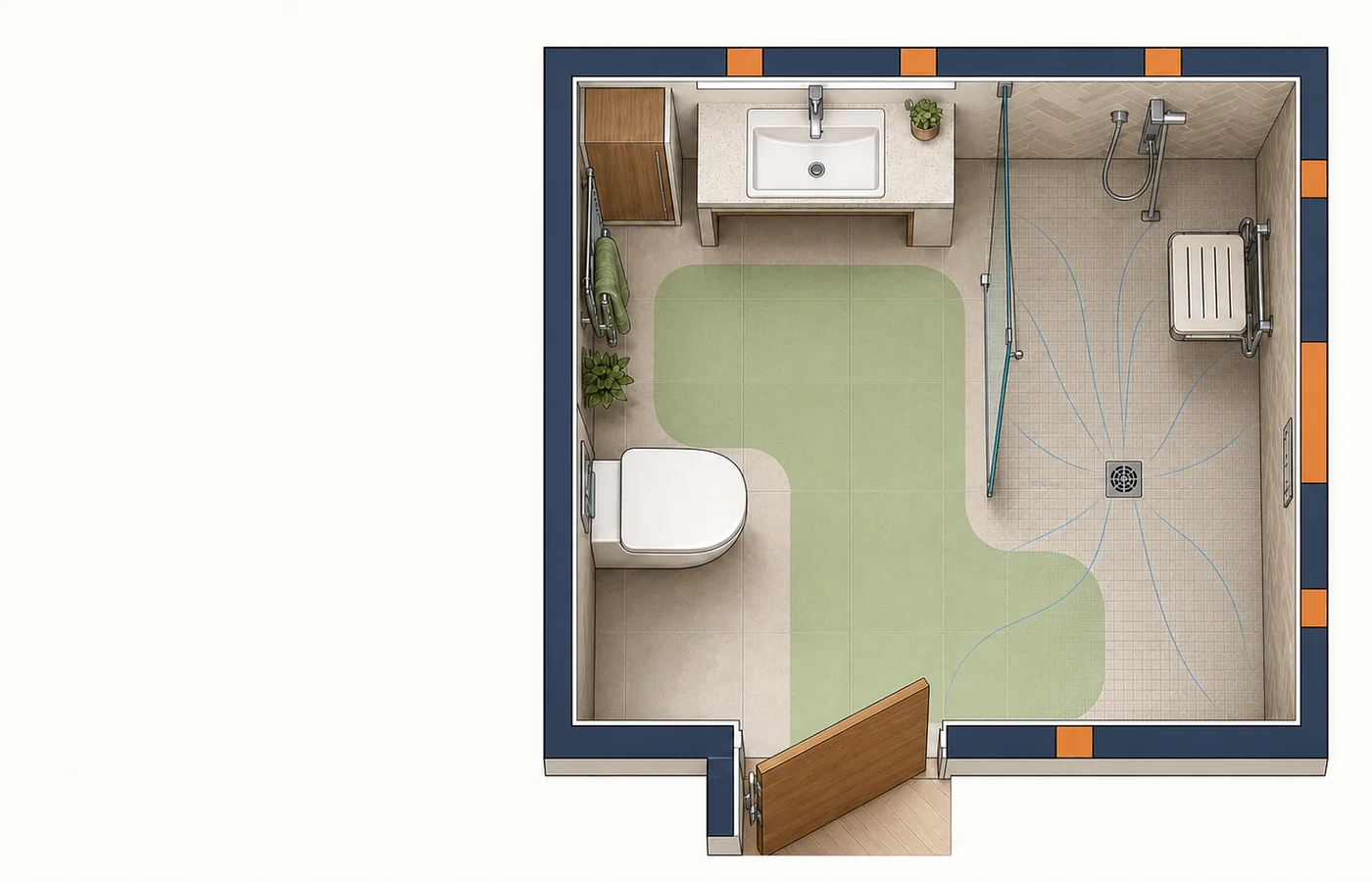
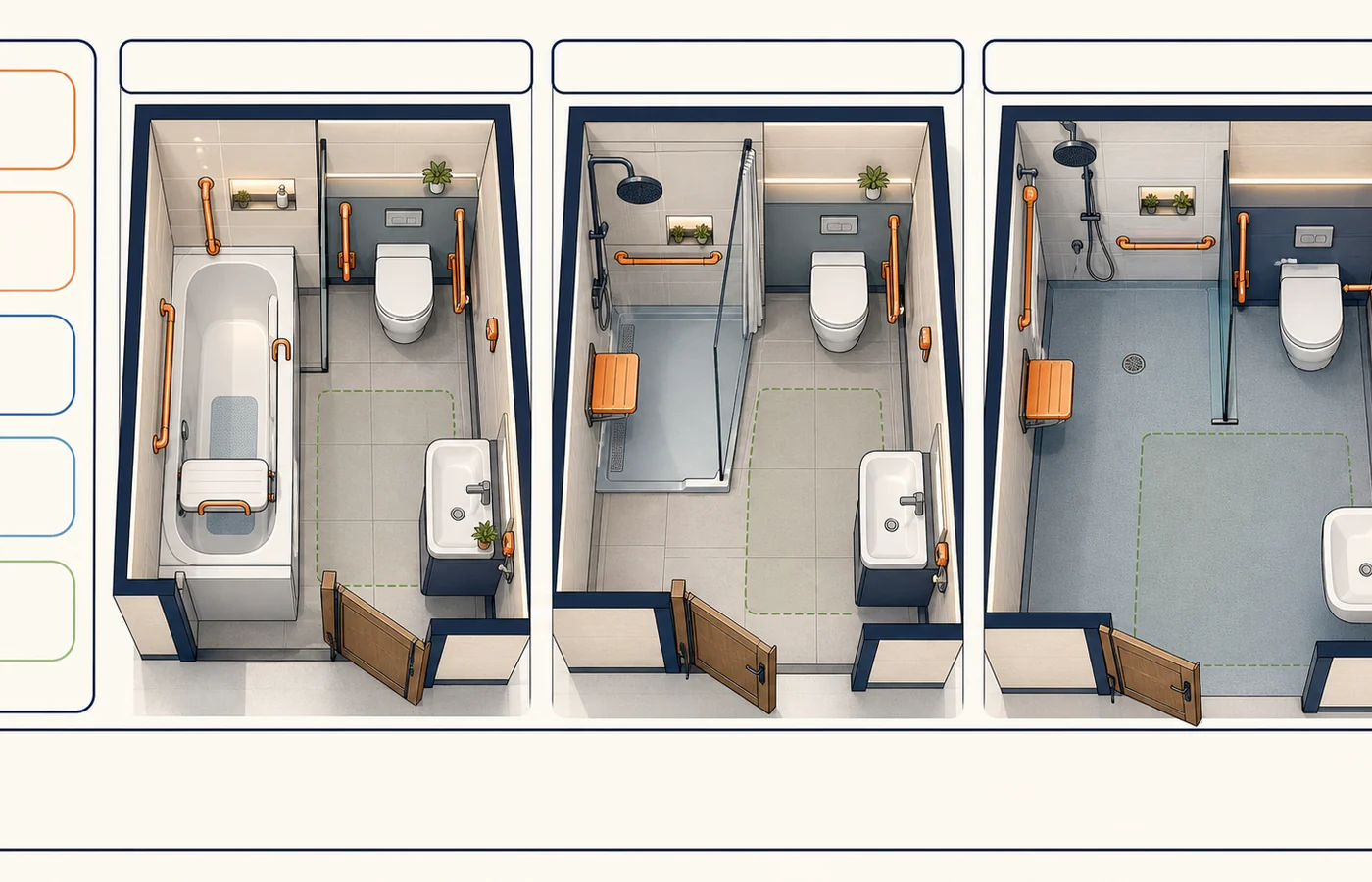
But rather than settling for a standard, cookie-cutter bathroom, the Johnsons worked with our team to create a space that could adapt to their evolving needs. This included modular storage solutions, such as sliding shelves and adjustable vanity cabinets, as well as a reconfigurable layout that allowed them to easily change the placement of the fixtures as their needs changed.
“Now, we can easily swap out the vanity or rearrange the layout if we need to accommodate mobility issues in the future,” explains Amanda. “It’s just so much more versatile and user-friendly.”
The Future is Adaptable
As I reflect on these real-life examples, it’s clear that the future of kitchen and bathroom design lies in adaptability. By embracing a flexible, modular approach, homeowners can create spaces that not only meet their current needs but also evolve seamlessly as their lives and preferences change.
Gone are the days of being stuck with a kitchen or bathroom that feels like a relic from the past. With adaptable design, the possibilities are endless – and the only limit is your imagination.
So, if you’re ready to embark on your own kitchen or bathroom renovation journey, I encourage you to think outside the box and consider the power of adaptability. Trust me, your future self will thank you.
And if you’re in the Aberdeen area and in need of a building and renovation company that specializes in creating adaptable, long-lasting spaces, be sure to check out ABC Home. We’d be honored to help you bring your vision to life.