Unlocking the Secrets of Energy Efficiency with Smart Home Automation
As the founder and CEO of ABC Home Renovations, I’ve seen firsthand how the right home improvements can make a world of difference in terms of energy efficiency and cost savings. And let me tell you, one of the most transformative upgrades you can make is integrating smart thermostats and sensors into your living space.
Now, I know what you’re thinking – “Smart thermostats? Isn’t that just for tech-savvy millennials and Silicon Valley types?” Well, my friend, let me dispel that notion right here and now. Smart home technology has come a long way, and it’s not just for the early adopters anymore. In fact, I’d argue that it’s a must-have for any homeowner looking to take control of their energy usage and utility bills.
The Rise of Smart Thermostats: A Game-Changer for Energy Conservation
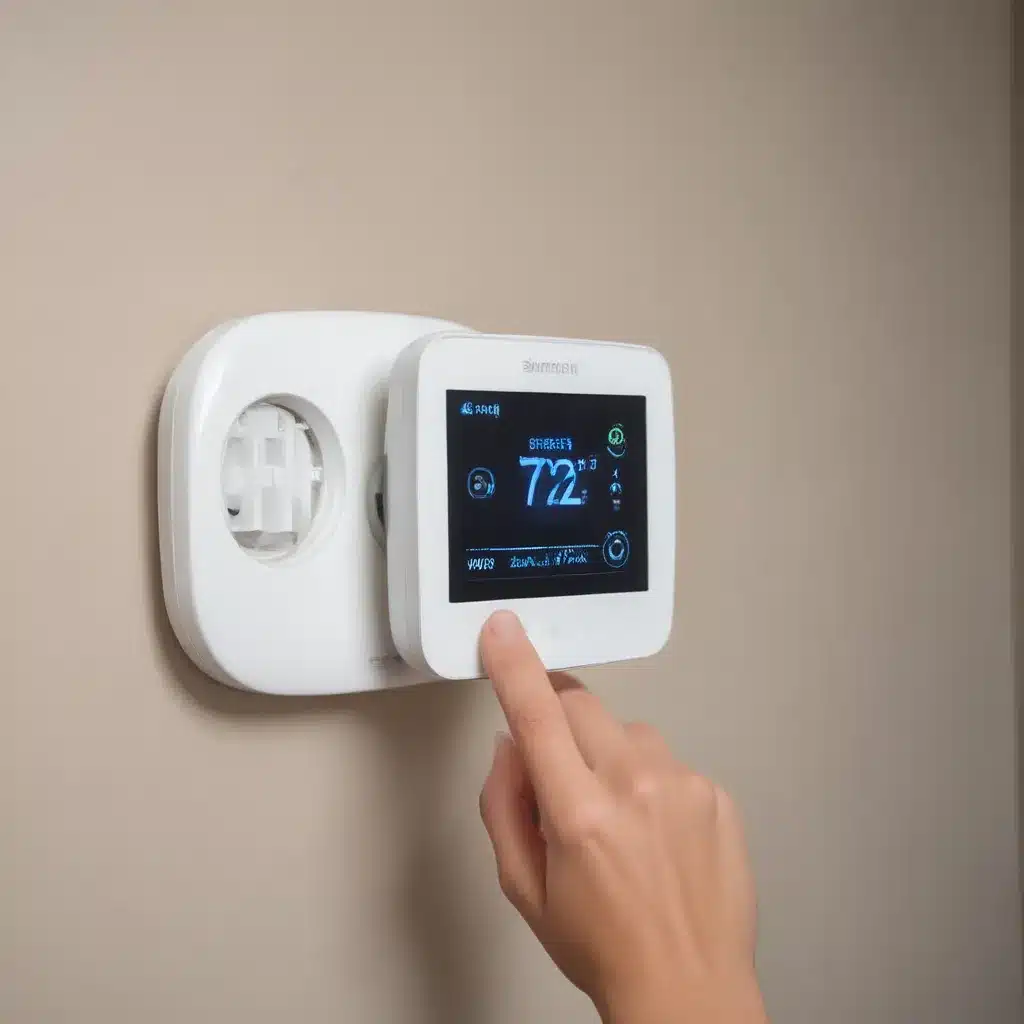
Picture this: you’re sitting at your desk, halfway through the workday, and you suddenly remember that you left the heat cranked up at home. Normally, this would mean an uncomfortable evening of either coming home to a sweltering house or wasting energy and money trying to cool it down. But with a smart thermostat, you can simply pull out your smartphone, tap a few buttons, and adjust the temperature from anywhere. It’s like having a remote control for your entire home’s climate!
And it’s not just about convenience – smart thermostats are true energy-saving powerhouses. By learning your habits and preferences, they can automatically adjust the temperature to match your schedule and needs. No more forgetting to turn down the heat when you leave for work or accidentally leaving the AC running all night. These little devices can shave hundreds off your annual energy bills, all while keeping you perfectly comfortable.
But the real magic happens when you start pairing your smart thermostat with other home sensors and automation. Imagine a system that not only adjusts the temperature but also knows when you’re home, when you’re asleep, and even when the sun is shining through the windows. The possibilities for fine-tuning your energy use are endless!
Sensors: The Unsung Heroes of the Smart Home
While smart thermostats are the poster children of the home automation revolution, the real unsung heroes are the various sensors that work behind the scenes. These little devices can track everything from motion and occupancy to air quality, humidity, and even water leaks. And when you integrate them with your smart thermostat, they become the key to unlocking even greater energy savings.
For example, let’s say you have a motion sensor in your living room. When it detects that the room is empty, it can signal the thermostat to automatically dial back the temperature. Or what if you have a CO2 sensor that notices the air quality declining in your bedroom? It can prompt the thermostat to kick the ventilation into high gear, maintaining a comfortable and healthy environment without wasting energy.
And the best part? Many of these sensors are wireless and battery-powered, making them a breeze to install and configure. No more dealing with tangled wires or calling in an electrician. Just peel, stick, and let the magic happen.
Real-World Examples: Seeing the Savings in Action
But don’t just take my word for it – let’s look at some real-world examples of how smart thermostats and sensors have transformed energy efficiency for homeowners.
Take the case of the Anderson family, for instance. They recently renovated their 1970s-era home in Aberdeen and decided to go all-in on smart home tech. They installed a top-of-the-line smart thermostat that syncs up with motion sensors, window/door sensors, and even a smart home hub. The result? A staggering 25% reduction in their annual heating and cooling costs, all while maintaining perfect comfort levels throughout the house.
“It’s like having a personal energy concierge,” Mrs. Anderson told me. “The system just seems to know what we need, when we need it. We hardly ever have to touch the thermostat anymore.”
And then there’s the story of the Patel household, where a simple water leak sensor saved the day (and a small fortune). One day, while the family was on vacation, the sensor detected a slow drip in the basement. It instantly sent an alert to their smartphones, and they were able to call a plumber to fix the issue before it turned into a full-blown flood. The Patels estimate that the sensor paid for itself several times over by preventing water damage and the associated repair costs.
The Future of Smart Home Energy Management
As exciting as smart thermostats and sensors are today, I can’t help but feel like we’re only scratching the surface of their potential. With the rapid advancements in machine learning, artificial intelligence, and the Internet of Things, I believe the next generation of home energy management systems will be nothing short of revolutionary.
Imagine a future where your home’s climate control, lighting, appliances, and even your electric vehicle all work in perfect harmony, constantly optimizing energy usage based on your habits, weather forecasts, utility rates, and even the grid’s real-time demand. A home that can predict when you’ll be away and automatically adjust accordingly. One that can detect issues like HVAC malfunctions or air leaks before they become major problems.
It’s a future that’s closer than you think, and it all starts with that first step of upgrading to a smart thermostat and a few strategically placed sensors. So why not take the plunge and join the energy-saving revolution? Your wallet (and the planet) will thank you.
If you’re ready to transform your home into an energy-efficient oasis, be sure to check out our ABC Home Renovations services. We specialize in smart home upgrades, HVAC system installations, and whole-home energy audits to help you maximize your savings and comfort. Let’s work together to build a greener, more sustainable future – one smart thermostat at a time.